GLP-1 Side Effects: Nausea, Dosing, and Mitigation Tips
 Jul, 4 2026
You’ve finally started your GLP-1 receptor agonist journey-whether it’s semaglutide, tirzepatide, or another option-and you’re ready to see results. But then comes the twist nobody warns you about in the commercials: the nausea. It hits hard, it feels relentless, and suddenly that promise of effortless weight management feels like a battle for survival. You are not alone. According to clinical data, up to 30% of patients experience significant gastrointestinal distress when starting these medications. The good news? This isn’t a sign that the drug is failing; it’s a sign that your body is adjusting to a new hormonal reality. With the right dosing strategy and mitigation tactics, you can ride out the initial wave and get to the other side.
Why Your Body Reacts This Way
To understand why you feel sick, you have to look at what the medication actually does. GLP-1 receptor agonists mimic a hormone called glucagon-like peptide-1. In a healthy body, this hormone tells your pancreas to release insulin after you eat and signals your brain that you’re full. The problem is that these synthetic versions are much more potent than the natural hormone. They slow down gastric emptying significantly. That means food sits in your stomach longer than usual. While this helps you feel full and lose weight, it also triggers the nausea center in your brain. Dr. Robert Gabbay, Chief Scientific Officer of the American Diabetes Association, explains that this slowed digestion is precisely why patients feel nauseous but also why they stop overeating. It’s a trade-off your body has to learn to handle.
Dosing Schedules: The Key to Avoiding Disaster
The single biggest mistake people make with GLP-1 medications is rushing the dose escalation. These drugs are designed to be introduced slowly so your gut can adapt. Skipping steps or increasing too fast is the fastest way to end up on the couch with a bucket nearby. Let’s look at how the major players handle this.
| Medication | Brand Names | Starting Dose | Maintenance Dose | Time to Max Dose |
|---|---|---|---|---|
| Semaglutide | Ozempic, Wegovy | 0.25 mg weekly (4 weeks) | 2.4 mg weekly (Wegovy) / 2 mg weekly (Ozempic) | 16-17 weeks |
| Tirzepatide | Mounjaro, Zepbound | 2.5 mg weekly (4 weeks) | 15 mg weekly | ~20 weeks |
| Liraglutide | Victoza, Saxenda | 0.6 mg daily (1 week) | 1.2-1.8 mg daily | 4-5 weeks |
Notice the timeline. For Wegovy, you spend four weeks on the lowest dose before moving up. If you feel fine, great. If you feel terrible, stay there longer. There is no rule that says you must move up exactly on schedule. In fact, many doctors recommend pausing at a dose level until symptoms subside completely before trying the next step. For Tirzepatide (Zepbound/Mounjaro), the starting dose of 2.5 mg is purely for acclimation-it doesn’t even provide significant glycemic control yet. Its only job is to teach your body how to handle the drug. Respect that process.
Practical Tips to Crush Nausea
If you’re dealing with nausea now, don’t just white-knuckle through it. Change your behavior. Here are the most effective strategies backed by patient data and clinical advice:
- Inject at Night: A survey from the Cleveland Clinic found that 63% of patients reported less nausea when they took their injection at bedtime. The peak concentration of the drug in your blood often coincides with sleep, meaning you might miss the worst of the side effects while you’re unconscious.
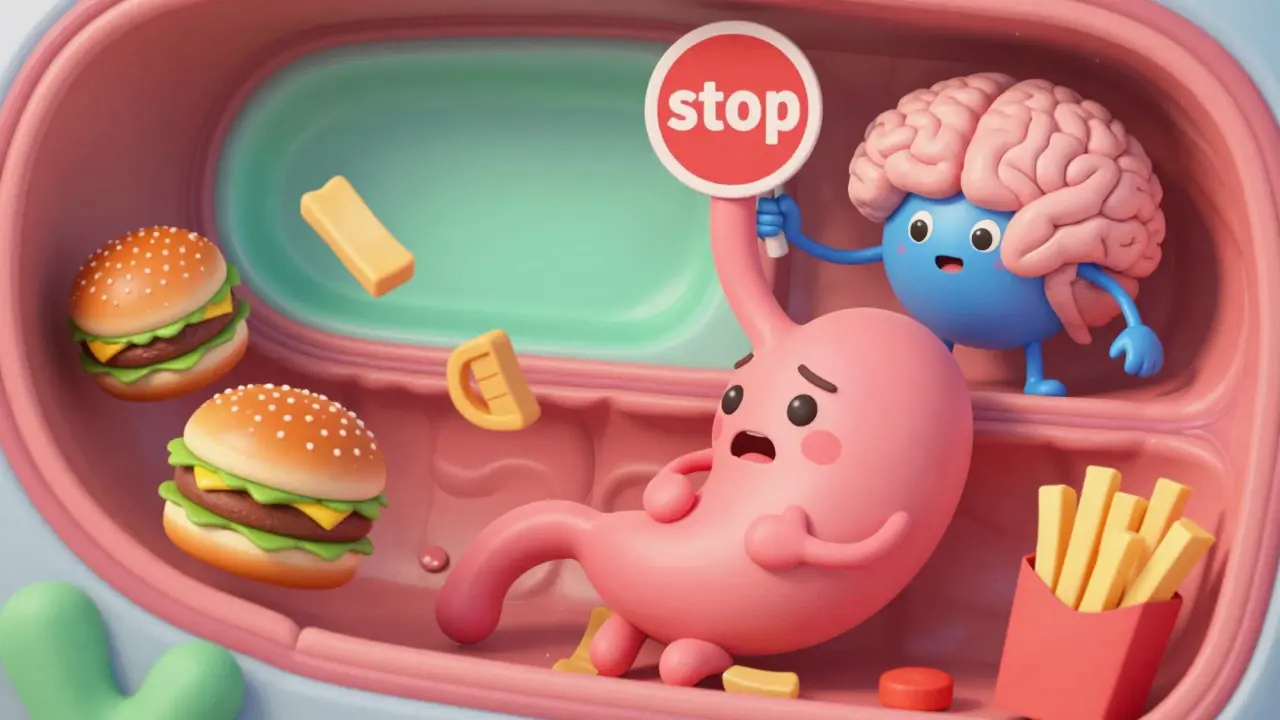
- Cut the Fat: High-fat foods are the enemy right now. Because your stomach empties slowly, fatty meals sit there and ferment, leading to severe nausea and reflux. Stick to lean proteins, vegetables, and low-fat carbs. Avoid fried chicken, creamy sauces, and heavy cheeses during the titration phase.
- Small, Frequent Meals: Don’t eat three large meals. Eat six tiny ones. A full stomach presses against the diaphragm and worsens nausea. Keep portions small-think half a cup of rice instead of a full bowl.
- Hydrate Strategically: Dehydration makes nausea worse. But drinking a pint of water all at once will fill your stomach and trigger vomiting. Sip water constantly throughout the day. Aim for clear fluids if solid food feels impossible.
- Try Ginger: It sounds old-fashioned, but ginger is clinically proven to help with nausea. Ginger tea, chews, or capsules can settle your stomach without interacting negatively with the medication.

When to Call Your Doctor
While mild to moderate nausea is expected, there are red flags that mean something else is going on. Persistent vomiting that prevents you from keeping fluids down for more than 24 hours requires medical attention. Severe abdominal pain could indicate pancreatitis, a rare but serious side effect associated with GLP-1s. Also, watch out for signs of gallbladder issues, such as pain in the upper right abdomen or yellowing of the skin. If your nausea doesn’t improve after two weeks at a stable dose, talk to your provider. You may need to stay at the lower dose longer or switch medications entirely. Remember, the goal is sustainable health, not suffering.
The Long-Term View
It’s easy to forget why you started this when you’re feeling sick. But the data is clear: patients who push through the initial side effects see massive benefits. Clinical trials show average weight loss of 15-20% of body weight with semaglutide and even higher with tirzepatide. More importantly, recent studies like the SELECT trial demonstrated a 20% reduction in major cardiovascular events for non-diabetic patients using semaglutide. You aren’t just losing weight; you’re potentially saving your heart. The nausea is temporary. The health benefits can last a lifetime-if you stick with it.
How long does GLP-1 nausea usually last?
For most patients, nausea peaks during the first 2-4 weeks of treatment or immediately after a dose increase. Symptoms typically subside as the body adjusts to the medication. If nausea persists beyond 4 weeks at a stable dose, consult your healthcare provider for potential dose adjustment.
Can I take anti-nausea medication with GLP-1s?
Yes, over-the-counter options like dimenhydrinate (Dramamine) or meclizine (Bonine) are generally safe to use with GLP-1 medications. However, always check with your doctor before adding new supplements or drugs to ensure there are no interactions with your specific health profile.
Should I skip my dose if I’m nauseous?
Do not skip doses without consulting your doctor. Missing doses can lead to fluctuations in blood sugar levels and reduced efficacy. Instead, try adjusting your diet or injection timing. If nausea is severe, your doctor may advise lowering the dose temporarily rather than skipping entirely.
Is Wegovy better tolerated than Ozempic?
Both Wegovy and Ozempic contain semaglutide, so their side effect profiles are similar. However, Wegovy uses a slower titration schedule to reach its higher maintenance dose, which may allow some patients to adjust more gradually. Individual tolerance varies, so one may work better for you than the other.
What foods should I avoid on GLP-1 medications?
Avoid high-fat, fried, and spicy foods, as they delay gastric emptying further and worsen nausea. Limit sugary drinks and carbonated beverages, which can cause bloating. Focus on lean proteins, fiber-rich vegetables, and easily digestible carbohydrates like oatmeal or bananas.