Sulfonamide Allergy: The Truth About Cross-Reactivity and Safe Alternatives
 May, 30 2026
Sulfonamide Allergy Risk & Cost Calculator
Your Reaction History
Select the option that best describes your past reaction to a "sulfa" antibiotic (e.g., Bactrim/Septra).
Cost Estimator
Estimate the cost impact if you or your patients were mislabeled.
Results & Recommendations
Imagine being told you can’t take a common blood pressure medication because of an old rash from childhood. For millions of people with a documented sulfonamide allergy, this is reality. But here’s the twist: most of those restrictions are based on a myth. The fear that all drugs containing “sulfa” react dangerously in allergic patients has led to unnecessary avoidance of safe, effective treatments. In fact, true sulfonamide antibiotic allergies are rare-occurring in less than 0.5% of the population-while reported cases hover between 3% and 12%. This gap isn’t just confusing; it’s costly, contributing to antimicrobial resistance and suboptimal care.
Understanding what truly triggers a reaction-and what doesn’t-is critical for both patients and clinicians. Let’s break down the science behind sulfonamide allergies, debunk the cross-reactivity myth, and explore practical steps to ensure safer prescribing practices.
What Is a Sulfonamide Allergy?
A sulfonamide allergy refers to an immune system response to specific chemicals found in certain antibiotics known as sulfonamides or "sulfa drugs." These medications were first introduced in 1935 with prontosil, revolutionizing infection treatment before penicillin became widely available. Today, they’re used primarily for urinary tract infections, pneumonia, and other bacterial conditions.
The confusion arises from terminology. Many people assume any drug with “sulfa” in its name carries the same risk. However, not all sulfonamides are created equal. There are two main categories:
- Antimicrobial sulfonamides: Include drugs like sulfamethoxazole (part of Bactrim), which contain unique structural features linked to allergic reactions.
- Nonantimicrobial sulfonamides: Such as hydrochlorothiazide (a diuretic) or celecoxib (an anti-inflammatory). Despite sharing part of their chemical structure, these lack the components responsible for triggering immune responses.
This distinction matters because misunderstanding it leads to avoidable complications. A 2021 study published in Clinical Infectious Diseases revealed that patients labeled with a “sulfa allergy” receive alternative antibiotics 78.4% of the time-even when appropriate options exist. Worse still, 32.7% end up taking broader-spectrum agents unnecessarily, fueling antibiotic resistance.
The Myth of Cross-Reactivity
If you’ve ever heard someone say, “I’m allergic to sulfa, so I can’t take anything with sulfur,” you’re witnessing one of medicine’s biggest misconceptions. Here’s why:
- Different Structures Mean Different Risks: Antimicrobial sulfonamides have an arylamine group at the N4 position and a nitrogen-containing ring at the N1 position. Nonantimicrobial versions don’t share these elements, making them fundamentally different immunologically.
- Molecular Evidence Supports Safety: Studies using mass spectrometry show that only antimicrobial sulfonamides produce reactive metabolites capable of binding proteins and forming neoantigens-the culprits behind allergic reactions.
- Clinical Data Backs It Up: According to a 2022 systematic review in Annals of Allergy, Asthma & Immunology, there’s a 96-98% negative predictive value for nonantimicrobial sulfonamide reactions among those with confirmed sulfonamide antibiotic allergies.
In plain terms? If your body reacts to Bactrim, chances are slim it’ll freak out over hydrochlorothiazide. Yet despite overwhelming evidence, many doctors continue avoiding nonantimicrobial sulfonamides altogether-a practice costing the U.S. healthcare system an estimated $1.2 billion annually.
Who Should Worry About True Sulfonamide Allergies?
Not everyone who claims a “sulfa allergy” actually has one. Most self-reported cases stem from mild side effects mistaken for genuine hypersensitivity. To identify true risks, consider the following:
- Low-Risk Reactions: Mild rashes appearing more than three days after starting medication often indicate delayed-type hypersensitivity rather than IgE-mediated allergy. Direct oral challenges under medical supervision carry a 99.2% safety rate for such cases.
- High-Risk Scenarios: Immediate reactions (within hours) or severe cutaneous issues like Stevens-Johnson syndrome warrant referral to an allergist for skin testing and graded challenge protocols.
- Special Cases: Certain nonantimicrobial sulfonamides, including dapsone, may pose higher cross-reactivity risks due to shared structural similarities. One study reported a 13.2% reaction rate in previously sensitized individuals.
Dr. Eric Macy, a leading expert at Kaiser Permanente, emphasizes: “There is no clinically significant immunologic-mediated cross-reactivity between sulfonamide antibiotics and non-antibiotic sulfonamides.” His statement aligns with guidelines from organizations like the American Academy of Allergy, Asthma & Immunology (AAAAI).

Practical Steps for Patients and Clinicians
So how do we move forward? Both sides need action:
For Patients:
- Clarify Your History: Work with your doctor to determine whether your past reaction was truly allergic or merely a side effect. Document details like timing, severity, and symptoms.
- Ask Questions: Before refusing prescribed medications, ask if alternatives exist without compromising efficacy. For example, fluoroquinolones come with black box warnings for tendon rupture and aortic aneurysm.
- Seek Specialist Input: Consider consulting an allergist if unsure about your status. They can perform tests to confirm or rule out true sensitivity.
For Clinicians:
- Avoid Blanket Restrictions: Don’t automatically exclude nonantimicrobial sulfonamides unless contraindicated by individual patient factors.
- Use Decision Support Tools: Leverage electronic health record systems equipped with sulfonamide allergy algorithms. Systems like Epic reduce inappropriate avoidance by over 50%.
- Educate Patients: Explain the difference between antimicrobial and nonantimicrobial sulfonamides clearly. Misinformation fuels unnecessary anxiety.
Real-Life Impact: Stories From the Frontlines
To illustrate the stakes, let’s look at real-world examples:
- A 68-year-old man avoided hydrochlorothiazide for hypertension management for 15 years due to his “sulfa allergy.” After undergoing a supervised challenge, he tolerated the drug perfectly fine.
- Another case involved 47 patients requiring Pneumocystis pneumonia prophylaxis. Following oral challenges, 91.5% successfully resumed sulfonamide therapy without incident.
- Conversely, some report adverse experiences-but closer examination reveals confounding variables. Take a patient who developed a rash after receiving celecoxib; further investigation pointed to concurrent NSAID use instead of cross-reactivity.
These stories underscore the importance of personalized assessment over blanket assumptions.
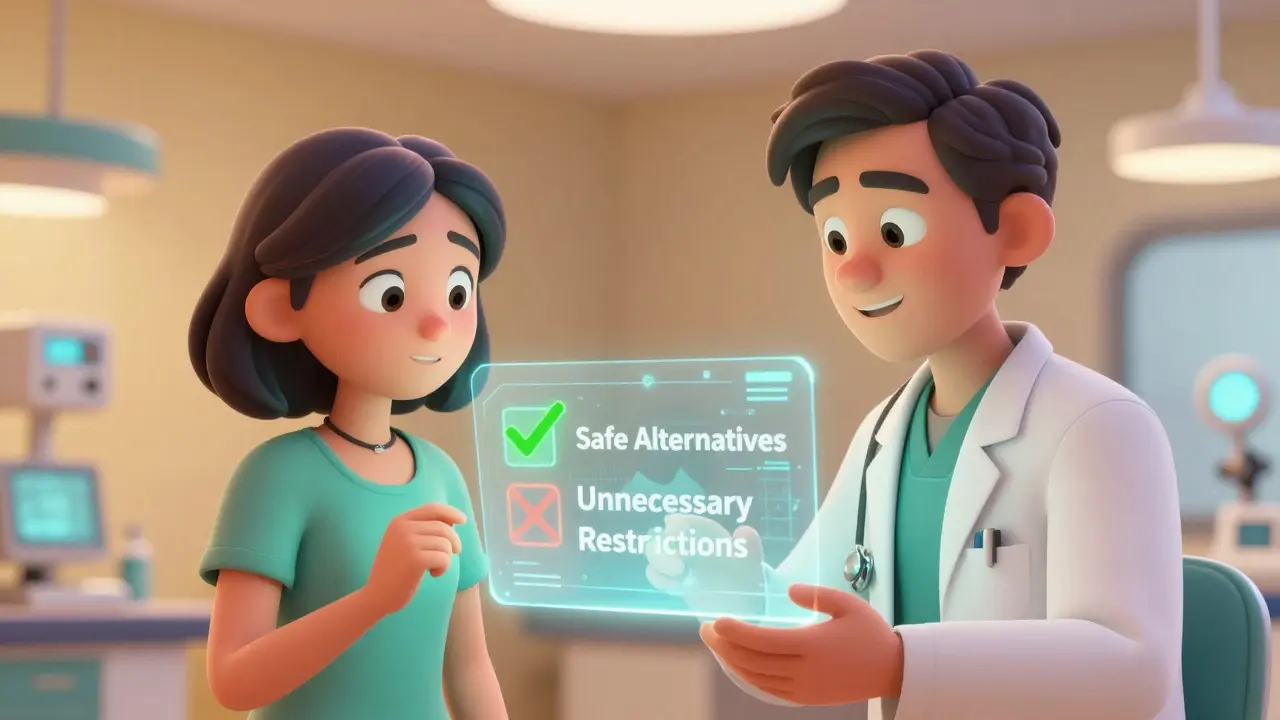
Facing the Future: Innovations and Challenges
Progress continues apace. Initiatives like the Sulfonamide Allergy De-labeling Initiative aim to standardize evaluation processes across healthcare settings. Meanwhile, new diagnostic tools promise greater precision:
- SULF-RISK Score: Validated in 2022, this tool predicts true allergy risk with 92.4% sensitivity and 87.6% specificity.
- Component-Resolved Diagnostics: Phase II trials reveal promising results for sulfamethoxazole-specific IgE assays boasting nearly 90% positive predictive value.
Yet challenges persist. A 2023 survey showed that 68.2% of patients mislabelled with “sulfa allergy” incorrectly believe they cannot tolerate any sulfur-containing substances. Bridging this knowledge gap remains crucial.
Key Takeaways
| Topic | Details |
|---|---|
| True Prevalence | Less than 0.5% of general population |
| Cross-Reactivity Risk | Negligible between antimicrobial and nonantimicrobial types |
| Economic Burden | $1.2 billion annually in U.S. healthcare costs |
| Actionable Advice | Consult specialists, clarify history, leverage decision support tools |
Frequently Asked Questions
Can I safely take hydrochlorothiazide if I have a sulfonamide allergy?
Yes, in most cases. Hydrochlorothiazide lacks the structural elements associated with sulfonamide antibiotic allergies. Studies show minimal cross-reactivity risk, though consultation with an allergist ensures personalized guidance.
How common are true sulfonamide allergies?
True IgE-mediated sulfonamide antibiotic allergies occur in approximately 0.3-0.5% of the population. Reported rates range higher due to misattributed reactions or side effects mistaken for allergies.
What should I do if I suspect a sulfonamide allergy?
Document your reaction details and consult an allergist for proper evaluation. Skin testing and graded challenges help distinguish true allergies from benign side effects.
Are there economic consequences of mislabeling sulfonamide allergies?
Absolutely. Mislabeling contributes to unnecessary antibiotic substitutions, increasing healthcare costs by an estimated $1.2 billion annually in the U.S. alone.
Will future innovations improve sulfonamide allergy diagnostics?
Yes. Advances like component-resolved diagnostics and validated risk stratification tools enhance accuracy, enabling better-informed clinical decisions.