Licensed Pharmacies: How to Verify Your Pharmacy Is Legitimate and Avoid Counterfeit Drugs
 Jan, 30 2026
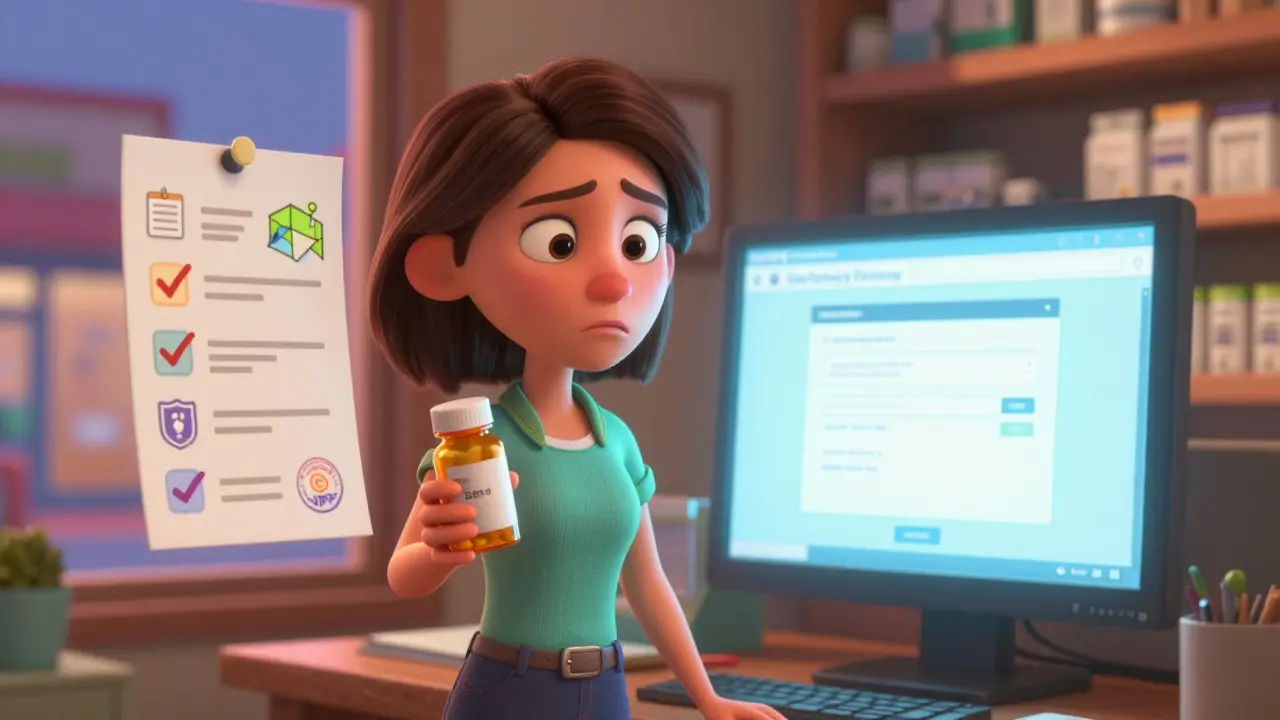
Every year, millions of people in the U.S. buy medications online or from new pharmacies without checking if they’re legal. It’s easy to assume that if a website looks professional and offers low prices, it’s safe. But that’s exactly how counterfeit drugs slip through. The FDA estimates that 1% to 3% of the $575 billion U.S. prescription drug market comes from illegal sources - that’s billions in fake, contaminated, or dangerous medications. And it’s not just online. Even brick-and-mortar pharmacies can operate without proper licenses. Knowing how to verify a pharmacy isn’t just smart - it could save your life.
What Makes a Pharmacy Licensed?
A licensed pharmacy isn’t just a business with a sign out front. It’s a facility that has met strict state and federal standards to handle, store, and dispense medications. Each state has its own Board of Pharmacy that issues licenses. These boards require pharmacists to pass the North American Pharmacist Licensure Examination (NAPLEX), score at least 75 out of 150, and pass a state-specific law exam like California’s CPJE. The pharmacy itself must have proper storage, security for controlled substances, and a licensed pharmacist on-site during operating hours.Without this license, a pharmacy can’t legally sell prescription drugs. Yet, according to the National Association of Boards of Pharmacy (NABP), 1 in 4 online pharmacies operate without any valid license. These unlicensed operations often sell fake versions of popular drugs like Viagra, insulin, or blood pressure pills - sometimes with no active ingredient at all, or worse, toxic substances like rat poison or floor cleaner mixed in.
How to Check If a Pharmacy Is Legit
You don’t need a degree in pharmacy to verify a pharmacy’s legitimacy. Just follow these five steps - it takes less than five minutes.- Look for a valid prescription requirement. Legitimate pharmacies will never sell prescription drugs without a valid prescription from a licensed doctor. If a site lets you buy opioids or antibiotics with a quick online quiz, walk away.
- Find the physical address. Use Google Maps Street View to check if the address is real. Does it look like a pharmacy? Or is it a residential home, warehouse, or PO box? Legitimate pharmacies have actual storefronts or licensed distribution centers.
- Check the state board’s license database. Every state has a public portal where you can search by pharmacy name or license number. For example, California’s Board of Pharmacy lets you search by name or license number - but don’t include prefixes like “Pharm.” or “#”. Just enter the numbers. The results show license status, expiration date, and any disciplinary actions.
- Confirm a pharmacist is available. By law, 45 states require that a pharmacist be available to answer questions. Call the pharmacy. If you get voicemail or a non-medical call center, that’s a red flag.
- Look for VIPPS or NABP Verify accreditation. The Verified Internet Pharmacy Practice Sites (VIPPS) program, run by NABP, is the gold standard for online pharmacies. Only about 4,000 U.S. pharmacies hold this seal. You can search for VIPPS-accredited pharmacies directly on the NABP website. LegitScript, another trusted verification tool, identifies 98.7% of illegitimate online pharmacies.
One woman in Sacramento, Maria Chen, used step three in March 2024 to check her pharmacy’s license after noticing her blood pressure medication looked different. The state database showed her pharmacist-in-charge had resigned months earlier - and no one had been appointed to replace them. She switched pharmacies before taking another dose.
The Danger of Fake Accreditation Seals
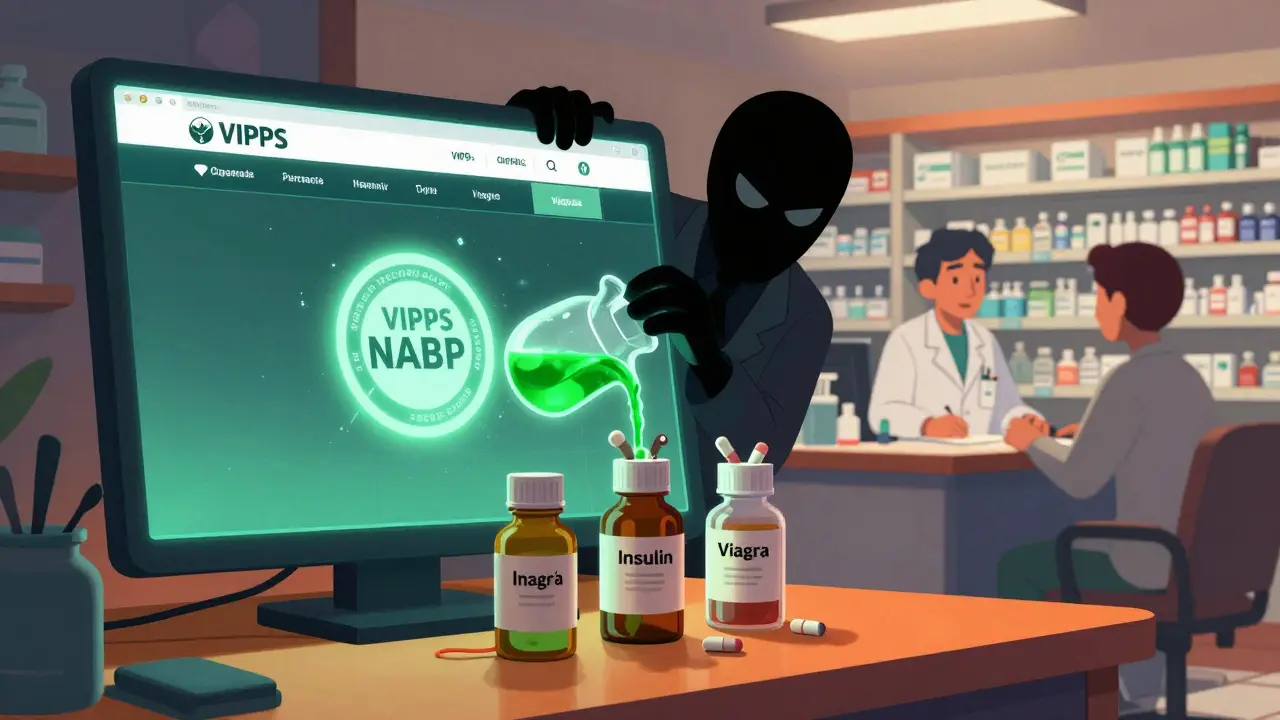
Many illegal pharmacies copy the NABP or VIPPS logos to look trustworthy. In July 2023, the Better Business Bureau reported a case where a consumer lost $850 to a fake pharmacy that displayed a counterfeit VIPPS seal. The site looked professional, had real-looking customer reviews, and even had a toll-free number. But none of it was real.Here’s how to spot a fake seal: Click on it. A real VIPPS or NABP logo links directly to the official verification page on NABP’s website. If clicking the logo takes you to a random page, a sales page, or just reloads the same site - it’s fake. Always go to nabp.pharmacy yourself and search for the pharmacy by name. Don’t trust the link on the pharmacy’s site.
State vs. National Verification: What’s the Difference?
Some states make verification easy. Florida lets you check a pharmacy’s license for free, instantly, online. California charges $120 for a written verification and takes 30 days. That’s a big difference.The NABP Verify program, launched in 2018, lets you search across all participating states in one place. It costs $125 a year for pharmacists, but consumers can use it for free. It’s faster than calling individual state boards - results usually come within 24 hours. But it’s not perfect. In 2023, Dr. Rebecca Smallwood of the Federation of State Medical Boards pointed out that for single-state pharmacies, NABP Verify adds redundant fees and doesn’t replace state requirements.
For people who live in multiple states or use mail-order pharmacies, the Verified Pharmacy Program (VPP) is the best solution. It lets pharmacies apply once for multi-state operations. But it costs around $1,850 to set up - which is why only 312 pharmacies have enrolled as of late 2023. That’s less than 0.5% of all U.S. pharmacies.
Why Online Pharmacies Are Riskier
The rise of digital pharmacies has made verification harder. In 2023, the FDA found that 25% of online medication sellers had no valid license. Many operate from overseas, shipping directly to U.S. homes. These sites often bypass customs and avoid state regulations entirely.California updated its rules in January 2024 to require out-of-state pharmacies shipping to residents to provide an 800-number for direct pharmacist access and use patient-centered labeling. But most states haven’t kept up. A 2023 University of Florida study found that 38% of consumers didn’t understand license statuses like “inactive” or “administrative suspension.”
And the problem is growing. The FDA increased enforcement actions against unlicensed pharmacies by 22% in 2023. New tools like NABP’s InterConnect system - launched in January 2024 - now allow real-time license updates across 43 states. But until every state uses the same standards, consumers still have to do the work.
What to Do If You’ve Been Scammed
If you bought medication from a suspicious pharmacy, stop using it immediately. Don’t throw it away. Take it to a licensed pharmacy - they can help identify if it’s counterfeit. Report the site to the FDA’s MedWatch program and the FTC’s IdentityTheft.gov. Also file a complaint with your state’s Board of Pharmacy.Don’t assume you’re the only one. In 2023, a Reddit thread about verifying pharmacies got 147 comments. Eighty-two percent said they used state boards successfully. But 41% said they were confused by license number formats. One user in Texas spent 45 minutes trying to verify a pharmacy because the state site didn’t explain how to handle hyphens in license numbers.
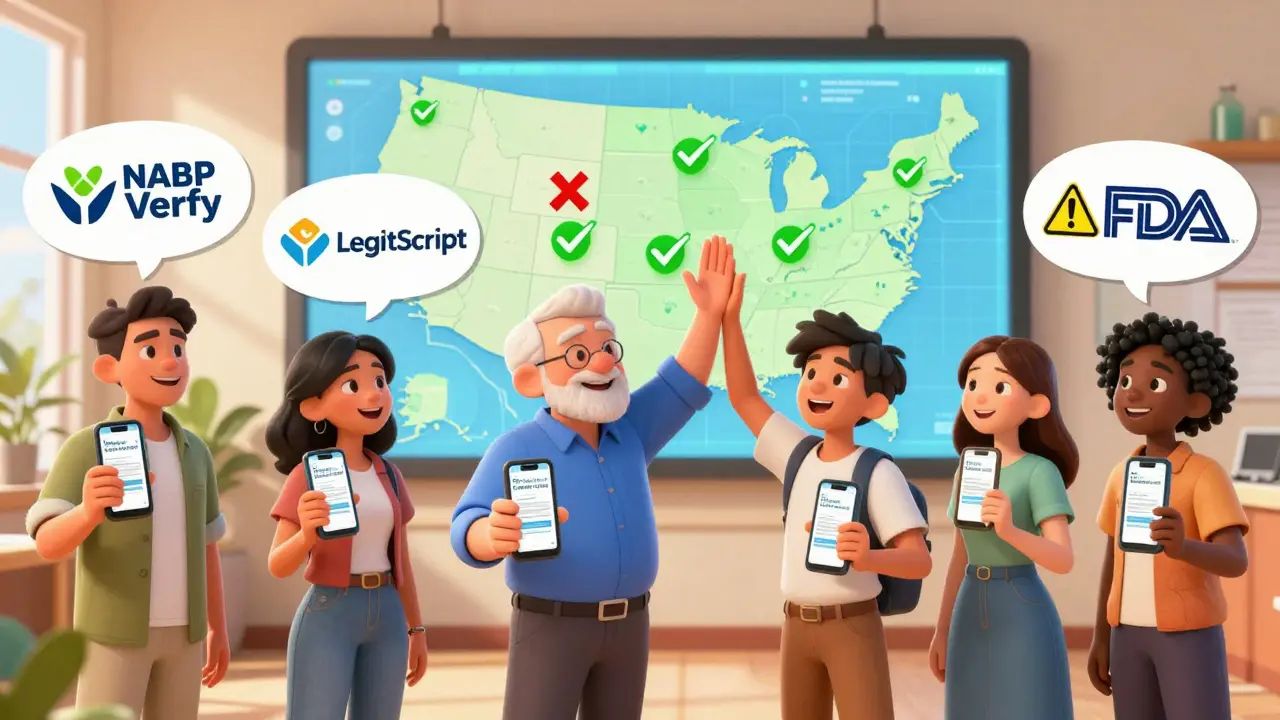
Always use multiple sources. Don’t rely on one check. Cross-reference the pharmacy’s license number with the state board, NABP Verify, and LegitScript. If they don’t all match, it’s not legit.
What’s Changing in 2026?
The system is improving, slowly. The FDA has allocated $15 million in its 2024 Strategic Plan to detect illegal online pharmacies, aiming for a 40% reduction in consumer harm by 2026. NABP predicts that by 2027, national licensure standards will cut verification complexity by 60%. But until then, the burden is on you.Dr. Carmen Catizone of NABP says unlicensed pharmacies are 8.2 times more likely to be involved in controlled substance diversion. That means fake pills could contain fentanyl, leading to overdose. The cost of a single counterfeit pill isn’t just financial - it’s life or death.
There’s no shortcut. No app will do it for you. No algorithm can replace a quick search on your state’s pharmacy board website. But if you take five minutes to verify, you’re not just protecting your wallet - you’re protecting your health.
How do I know if a pharmacy is licensed in my state?
Go to your state’s Board of Pharmacy website and use their online license verification tool. Search by pharmacy name or license number. Make sure the license is active and in good standing. For example, in California, enter only the numbers - don’t include prefixes like “Pharm.” or “#”. Results show expiration dates and any disciplinary actions.
Can I trust online pharmacies that offer discounts?
No. Legitimate pharmacies don’t sell prescription drugs at drastically lower prices than others. If a site offers 80% off insulin or Viagra without a prescription, it’s almost certainly illegal. Counterfeit drugs are often sold at low prices to lure customers. Always verify the pharmacy through NABP Verify or your state board before buying.
What’s the difference between VIPPS and NABP Verify?
VIPPS is an accreditation program that certifies online pharmacies meet strict safety and operational standards. NABP Verify is a tool that checks whether a pharmacy holds a valid license in any U.S. state. A pharmacy can be licensed (verified) without being VIPPS-accredited, but if it’s VIPPS-accredited, it’s definitely licensed. Always look for both.
Do I need to verify my local pharmacy too?
Yes. Even neighborhood pharmacies can operate without a valid license. In 2023, the NABP reported cases of pharmacies with expired licenses still filling prescriptions. Check your local pharmacy’s license status - it only takes two minutes. Look for the license displayed on the wall or ask the pharmacist for their state license number.
What should I do if I find a fake pharmacy?
Report it immediately to the FDA’s MedWatch program and the FTC’s IdentityTheft.gov. Also notify your state’s Board of Pharmacy. If you bought medication, bring the pills to a licensed pharmacy for testing. Do not use them. Save screenshots of the website and any communication - this helps investigators track down the operators.
Is it safe to buy from a pharmacy outside the U.S.?
No. The FDA does not approve foreign pharmacies to sell prescription drugs to U.S. residents. Even if they claim to be licensed in Canada or the UK, their medications aren’t regulated for U.S. safety standards. You risk getting counterfeit, expired, or contaminated drugs. Only use U.S.-licensed pharmacies, even if they cost more.
Carolyn Whitehead
January 30, 2026 AT 18:05calanha nevin
January 31, 2026 AT 12:12Claire Wiltshire
January 31, 2026 AT 20:55Natasha Plebani
February 1, 2026 AT 07:13Rob Webber
February 2, 2026 AT 10:21Lisa McCluskey
February 3, 2026 AT 18:19Holly Robin
February 4, 2026 AT 09:32Bobbi Van Riet
February 5, 2026 AT 04:58Jodi Olson
February 6, 2026 AT 19:09Kathleen Riley
February 7, 2026 AT 12:26Diana Dougan
February 9, 2026 AT 08:13April Allen
February 9, 2026 AT 20:37owori patrick
February 10, 2026 AT 15:05Shubham Dixit
February 11, 2026 AT 17:32Yanaton Whittaker
February 13, 2026 AT 12:43