Are Natural Products Safer Than Pharmaceuticals? The Interaction Reality
 May, 23 2026
Natural vs. Pharmaceutical Safety Analyzer
Compare Product Categories
Select a category to view safety profiles and risk factorsSafety Analysis Results
Potential Interaction Risks
Recommendation:
Consult your healthcare provider before starting any new medication or supplement.
There is a persistent myth in our culture that if something comes from nature, it must be safe. We see the word "natural" on labels and assume purity, health, and zero risk. But does being natural actually make a product safer than a pharmaceutical drug? The short answer is no. In fact, assuming natural equals safe can be dangerous. Both natural products and pharmaceuticals carry risks, but they operate under vastly different rules regarding safety testing, regulation, and interaction monitoring.
The Myth of Natural Safety
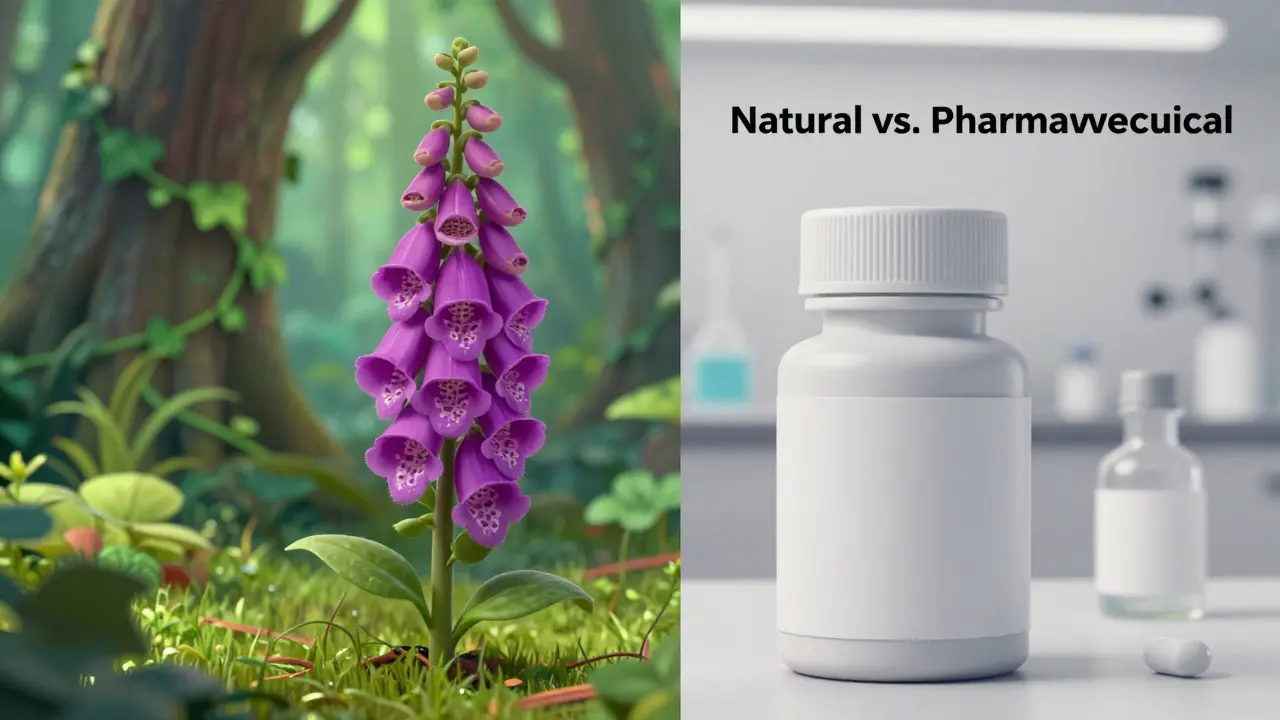
We often hear people say, "It's all-natural, so it can't hurt me." This belief is deeply rooted in psychology. According to the National Center for Complementary and Integrative Health (NCCIH), many consumers perceive nature as inherently pure and superior to human-made substances. However, this perception ignores basic biology. Poison ivy is natural. Arsenic is natural. Foxglove, a plant used to make heart medicine, contains chemicals that are deadly if you eat the raw plant.
The reality is that "natural" is not a legal definition when it comes to health products. It is a marketing term. Just because a substance is derived from a plant or mineral doesn't mean it lacks side effects or toxicity. Dr. Josephine Briggs, former director of the NCCIH, has stated clearly that natural medicines are not without side effects and that not all products from nature have been proven effective. Believing otherwise can lead to more harm than good, especially when these products interact with other medications.
Regulatory Differences: Why the Rules Matter
To understand why natural products might feel riskier in some contexts, we need to look at how they are regulated compared to pharmaceutical drugs. In the United States, the Dietary Supplement Health and Education Act (DSHEA) of 1994 created a fundamental divide. Under this law, herbal supplements are classified as dietary supplements, not drugs.
This classification changes everything. Pharmaceutical companies must undergo rigorous approval processes through the Food and Drug Administration (FDA). They have to prove their drugs are safe and effective through extensive clinical trials before they ever reach store shelves. They face regular facility inspections and strict post-market surveillance.
In contrast, natural products enter the market with minimal pre-market safety verification. Manufacturers do not need to prove their supplements work or are safe before selling them. They only need to follow Current Good Manufacturing Practice (CGMP) guidelines, which focus on basic sanitation and batch consistency. If a harmful ingredient is discovered later, the FDA can take action, but the damage may already be done. This regulatory gap means consumers often bear the burden of verifying safety, rather than the government ensuring it upfront.
| Feature | Pharmaceutical Drugs | Natural Supplements |
|---|---|---|
| Pre-Market Approval | Required (Prove safety & efficacy) | Not Required |
| Clinical Trials | Extensive, multi-phase | Minimal to none |
| Labeling Accuracy | Strictly enforced | Self-reported by manufacturer |
| Adverse Event Reporting | Mandatory for manufacturers | Voluntary, often underreported |
The Danger of Interactions
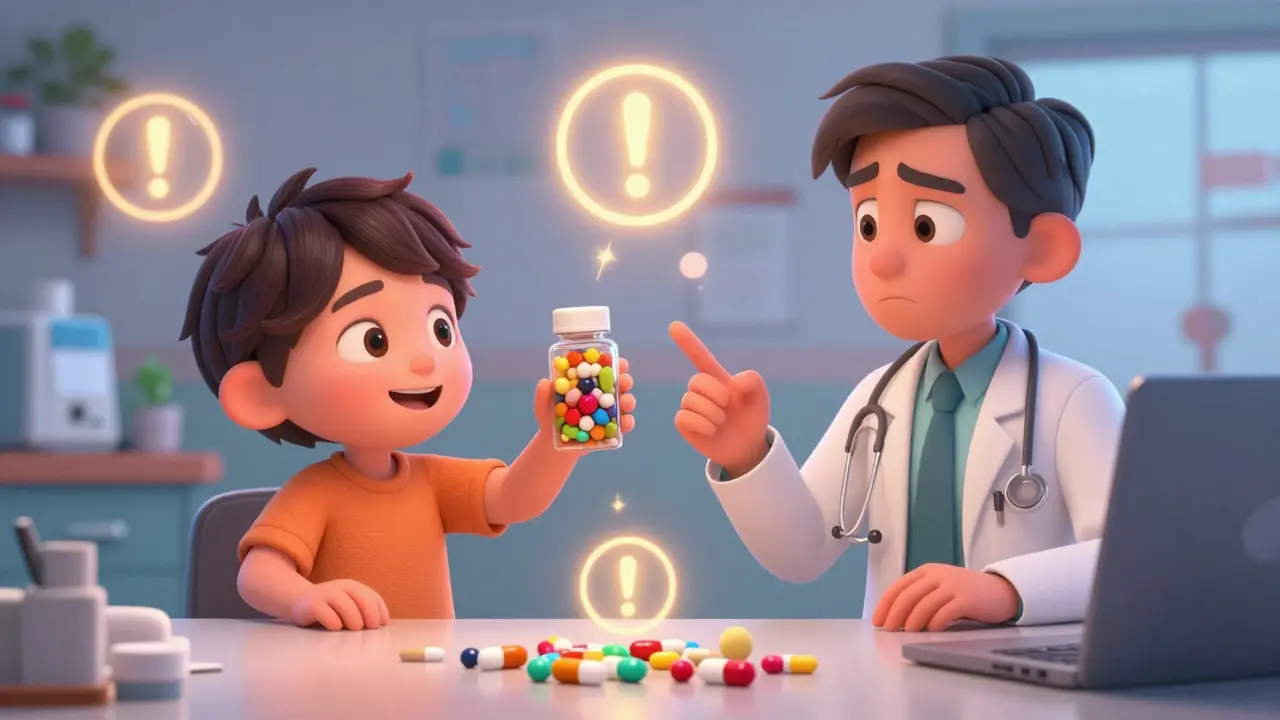
One of the biggest risks with natural products is how they interact with prescription medications. Many people take supplements alongside their daily meds, unaware that the two can clash dangerously. A study published in JAMA Internal Medicine found that 70% of patients do not disclose their supplement use to their physicians. This silence creates a blind spot where dangerous interactions can occur.
Take St. John's wort, for example. It is a popular herbal remedy for mild depression. However, it interferes with the liver enzymes that break down many drugs. This can reduce the effectiveness of birth control pills, blood thinners like warfarin, and even certain HIV medications. In some cases, this interaction has led to unintended pregnancies or life-threatening bleeding events.
Another example is kava, often used for anxiety. While it may provide relief for some, it has been associated with severe liver damage. Similarly, ephedra was once a common weight-loss and energy supplement until the FDA banned it in 2004 due to links with heart attacks and strokes. These examples show that natural does not mean harmless.
Statistical Risks: Who Causes More Harm?
So, if natural products have risks, are they worse than pharmaceuticals? The data is complex. The Mayo Clinic notes that approximately 8% of hospital admissions in the U.S. result from adverse effects of synthetic drugs, with around 100,000 annual deaths attributed to pharmaceutical toxicities. These numbers are staggering and highlight the real dangers of prescription medication.
However, evidence suggests that deaths or serious hospitalizations from herbs are much rarer. Data from the National Poison Control Centers indicates that herbal adverse reactions are so uncommon that they lack a specific category for reporting. A review by PMC/NIH noted that where poisoning from medicinal plants occurs, it is usually due to misidentification of the plant or incorrect preparation, rather than the inherent toxicity of properly used herbs.
On balance, some experts argue that herbal medicines are statistically safer than synthetic drugs in terms of mortality rates. But "safer" doesn't mean "risk-free." The lower incidence of reported adverse events for supplements may also reflect significant underreporting. In 2022, the FDA received only 1,200 adverse event reports for dietary supplements compared to 120,000 for prescription drugs. Experts attribute this gap partly to lower actual incidence, but also to consumer belief that natural products don't require reporting.
Quality Control and Manufacturing Issues
Beyond interactions and toxicity, there is the issue of what is actually in the bottle. Because supplements are not held to the same manufacturing standards as drugs, quality varies wildly. Some studies have found that supplements contain contaminants like heavy metals, pesticides, or even undeclared pharmaceutical ingredients.
For instance, some "herbal" weight loss supplements have been found to contain sibutramine, a banned drug. Others may not contain the active ingredient listed on the label at all. This lack of standardization means you cannot always trust the dosage or purity of a natural product. Pharmaceutical drugs, by contrast, undergo rigorous testing at every production stage to ensure consistency and potency.
This variability makes it harder for doctors to predict how a patient will react to a supplement. If one brand of turmeric contains 50% less curcumin than another, the therapeutic effect-and potential side effects-will differ. This unpredictability adds another layer of risk to using natural products as medical treatments.
What You Can Do to Stay Safe
Given these realities, how should you approach natural products and pharmaceuticals? First, stop assuming that natural means safe. Treat supplements with the same caution you would a prescription drug. Here are practical steps to protect your health:
- Tell Your Doctor Everything: Never hide your supplement use from your healthcare provider. Bring the bottles to your appointment if possible. This allows them to check for interactions with your current medications.
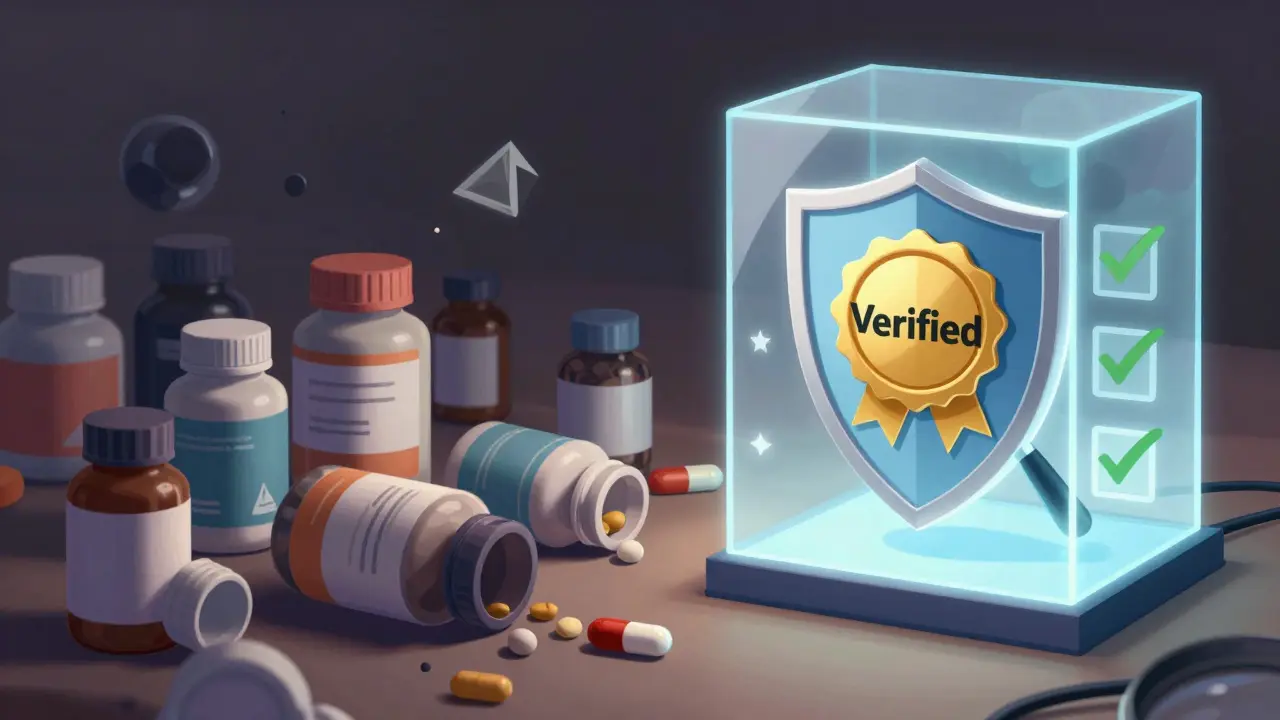
- Check for Third-Party Verification: Look for seals from independent organizations like USP Verified, NSF International, or ConsumerLab.com. These groups test supplements for purity, potency, and contamination. Currently, only about 15% of major brands use such verification.
- Research Reputable Sources: Avoid relying on Amazon reviews or influencer endorsements. Use evidence-based resources like the NIH's Office of Dietary Supplements or WebMD to check for known risks and interactions.
- Start Low and Go Slow: If you try a new supplement, start with a low dose to see how your body reacts. Monitor for any unusual symptoms.
- Be Skeptical of Miracle Cures: If a supplement claims to cure multiple unrelated conditions, it is likely making false claims. Legitimate treatments rarely solve everything.
The Future of Regulation
The landscape is slowly changing. There is growing pressure to close the regulatory gaps left by DSHEA. The FDA has issued draft guidance on botanical drug development to help bridge the divide between supplements and approved drugs. Additionally, proposed legislation like the Dietary Supplement Listing Act aims to introduce mandatory pre-market safety reviews for new supplements.
As technology improves, we are seeing better tools for analyzing natural compounds. Genome mining and advanced analytical methods are helping scientists identify active ingredients and potential risks more accurately. This could lead to higher standards for the industry and greater consumer protection in the coming years.
Until then, the responsibility largely falls on us. Understanding that both natural products and pharmaceuticals have roles to play-and risks to manage-is key to making informed health decisions. Neither is inherently superior; each has its place depending on the condition, the individual, and the context of use.
Is St. John's wort safe to take with antidepressants?
No, St. John's wort should generally not be taken with prescription antidepressants, particularly SSRIs or SNRIs. Combining them can lead to serotonin syndrome, a potentially life-threatening condition characterized by high fever, agitation, and rapid heart rate. Always consult your doctor before mixing herbal remedies with psychiatric medications.
Do the FDA approve vitamins and supplements?
The FDA does not approve vitamins or dietary supplements before they go on sale. Unlike drugs, supplements do not need to prove safety or efficacy to the FDA prior to marketing. The FDA can only take action against unsafe supplements after they have reached the market.
Why are natural products considered risky despite being 'natural'?
Natural products can be risky because they contain potent bioactive compounds that can interact with medications, cause allergic reactions, or have toxic effects at high doses. Additionally, lack of strict regulation means products may contain contaminants or inconsistent amounts of active ingredients.
How can I verify if a supplement is high quality?
Look for third-party certification seals from organizations like USP (United States Pharmacopeia), NSF International, or ConsumerLab.com. These independent groups test products for purity, potency, and absence of harmful contaminants, providing a level of assurance that self-regulated manufacturers cannot.
Should I stop taking my prescription drugs and switch to natural alternatives?
Never stop taking prescribed medication without consulting your healthcare provider. Abruptly stopping drugs can lead to withdrawal symptoms or worsening of your condition. If you wish to explore natural alternatives, discuss this with your doctor to create a safe transition plan if appropriate.