Stimulants and Cardiac Arrhythmias: Risk Assessment and Alternatives
 Aug, 22 2026
Stimulant Cardiac Risk Assessor
Enter your details to see if a routine ECG is recommended before starting stimulant therapy. This tool uses guidelines from the AHA and AAP.
Recommended Next Steps
Imagine taking a pill to help you focus at work or school, only to find out it might be putting stress on your heart. For millions of people with attention-deficit/hyperactivity disorder (ADHD), this is a real concern. Stimulant medications are the go-to treatment for ADHD, but questions about their link to cardiac arrhythmias keep coming up. The good news? For most people, the benefits outweigh the risks. But knowing how to assess that risk-and what to do if your heart isn't in great shape-is key to staying safe.
Key Takeaways
- Prescription stimulants like amphetamines and methylphenidate carry a low but real risk of heart rhythm issues, especially in older adults or those with pre-existing conditions.
- Illicit stimulants like cocaine and methamphetamine pose a much higher risk due to direct damage to heart cells and electrical pathways.
- Routine ECGs aren't always required before starting treatment, but a thorough heart history and blood pressure checks are essential.
- Non-stimulant options exist for patients with high cardiac risk, though they may be less effective for ADHD symptoms.
- Monitoring blood pressure and heart rate regularly during treatment helps catch problems early.
Understanding the Link Between Stimulants and Heart Rhythm
So, how do these drugs affect the heart? Prescription stimulants work by boosting dopamine and norepinephrine in the brain. This can also cause a slight increase in heart rate and blood pressure. Most studies show a small bump-maybe 1-4 mmHg in systolic blood pressure and 1-2 beats per minute in heart rate. That's usually not enough to cause trouble for a healthy heart.
However, the story gets more complex with illicit drugs. A 2025 study in the European Heart Journal found that cocaine and methamphetamine don't just raise blood pressure; they actually mess with the heart's electrical system. Cocaine blocks specific ion channels that control how heart cells fire, leading to prolonged QT intervals and a higher chance of dangerous rhythms like ventricular tachycardia. Methamphetamine does something similar, affecting potassium and calcium currents. This creates a "perfect storm" for arrhythmias, especially with long-term use.
For prescription meds, the evidence is mixed. A 2021 cohort study looked at adults over 66 who started stimulant therapy. Within the first 30 days, their risk of ventricular arrhythmia tripled compared to non-users. But after three months, that risk went back down. On the other hand, a major meta-analysis published in JAMA Network Open in 2022 found no significant link between ADHD meds and overall cardiovascular events across all age groups. This suggests that while there's a short-term spike in risk for some people, the long-term danger is likely very low for the average patient.
Who Is at Higher Risk?
Not everyone faces the same level of danger. Your personal and family history matters a lot. If you have a known heart condition, like hypertrophic cardiomyopathy or long QT syndrome, stimulants need to be used with caution. The American Heart Association advises that if you have an uncontrolled arrhythmia, it's best to avoid stimulants or switch to another treatment.
Age plays a role too. Younger adults seem to handle stimulants well, with absolute risks remaining very low. But as we age, the heart becomes more sensitive. That 2021 study highlighting the tripling of arrhythmia risk in people over 66 serves as a reminder that older patients need closer monitoring.
Here’s a quick breakdown of risk factors:
- Personal history: Previous heart attack, stroke, or diagnosed arrhythmia.
- Family history: Sudden unexplained death in a relative under age 50.
- Structural heart issues: Congenital heart disease, even if repaired.
- Uncontrolled hypertension: Blood pressure consistently above normal ranges.
- Illicit drug use: Current or past use of cocaine or methamphetamine significantly raises baseline risk.
How Doctors Assess Cardiac Risk Before Prescribing
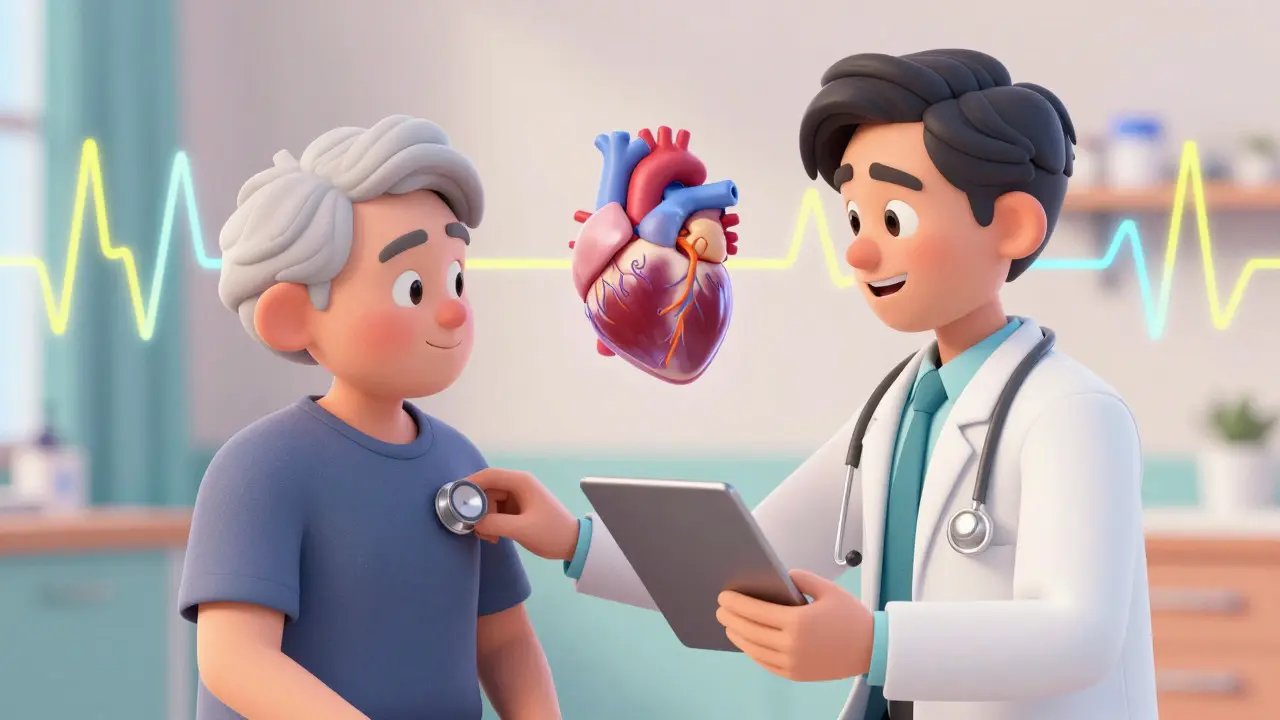
You might wonder, "Do I need an ECG before starting Adderall or Ritalin?" According to guidelines from the American Academy of Pediatrics and the American Heart Association, routine ECG screening isn't mandatory for every patient. Instead, doctors focus on a detailed physical exam and history.
The process typically looks like this:
- History Check: The doctor asks about chest pain, fainting spells, and any family history of sudden cardiac death.
- Physical Exam: They listen to your heart for murmurs or irregular beats and check your blood pressure and pulse.
- Baseline Monitoring: If your vitals are stable, you can start treatment. If anything seems off, an ECG or referral to a cardiologist might be needed.
- Ongoing Checks: After starting the medication, blood pressure and heart rate should be checked within one to three months, and then every six to twelve months.
This approach balances the need for safety with the reality that delaying effective ADHD treatment can have its own negative impacts on quality of life.
Comparison of Stimulant and Non-Stimulant Options
If your doctor determines that stimulants might be risky for your heart, there are alternatives. These non-stimulant medications work differently and generally have a lower impact on heart rate and blood pressure. However, they often take longer to work and might not be as effective for everyone.
| Medication Type | Examples | Effectiveness Rate | Cardiac Impact | Best For |
|---|---|---|---|---|
| Amphetamine-based Stimulants | Adderall, Vyvanse | 70-80% | Moderate BP/HR increase; slightly higher catecholamine release | Patients without significant heart history needing strong symptom control |
| Methylphenidate-based Stimulants | Ritalin, Concerta | 70-80% | Mild BP/HR increase; potentially lower cardiovascular strain than amphetamines | Patients with mild cardiac concerns who still benefit from stimulants |
| Non-Stimulant (SNRI) | Atomoxetine (Strattera) | 50-60% | Minimal effect on heart rate/BP; rare liver issues | Patients with high cardiac risk or anxiety comorbidities |
| Non-Stimulant (Alpha Agonist) | Guanfacine (Intuniv), Clonidine (Kapvay) | 50-60% | May lower blood pressure and heart rate | Patients with hypertension or tics alongside ADHD |
It's worth noting that alpha agonists like clonidine can actually help lower blood pressure, making them a clever choice for some patients. Atomoxetine, on the other hand, works on norepinephrine reuptake and has a very clean cardiac profile, though it takes several weeks to reach full effect.

Practical Tips for Managing Your Heart Health on Stimulants
If you're already on stimulants or considering them, here are some practical steps to keep your heart happy:
- Stay Hydrated: Dehydration can worsen blood pressure spikes. Drink plenty of water throughout the day.
- Avoid Excess Caffeine: Coffee and energy drinks add extra stimulation. Keep caffeine intake moderate to avoid compounding effects.
- Monitor at Home: Consider buying a home blood pressure cuff. Checking your numbers once a week can give you and your doctor valuable data.
- Report Symptoms: Palpitations, dizziness, or chest tightness shouldn't be ignored. Call your doctor if these persist.
- Regular Exercise: Cardiovascular exercise strengthens the heart muscle, helping it handle minor fluctuations in workload better.
When Should You Switch Medications?
Sometimes, despite careful monitoring, stimulants just aren't the right fit. You might need to switch if:
- Your blood pressure stays above the 95th percentile even after adjusting the dose.
- You develop a new, unexplained arrhythmia confirmed by an ECG.
- Your QT interval extends beyond 0.46 seconds, indicating a higher risk of torsades de pointes.
- You experience severe side effects like persistent tachycardia (heart rate over 100 bpm at rest).
In these cases, moving to a non-stimulant option is a common and safe next step. It doesn't mean ADHD treatment is over; it just means finding a different path to manage your symptoms effectively.
Frequently Asked Questions
Do I need an ECG before starting ADHD medication?
Not necessarily. Guidelines suggest a thorough physical exam and history first. An ECG is recommended if you have risk factors like family history of sudden death, known heart defects, or abnormal vital signs during the exam.
Are amphetamines worse for the heart than methylphenidate?
They may have a slightly stronger effect on catecholamines, which can raise blood pressure more. However, both are considered safe for most people. Methylphenidate is often preferred if there are mild cardiac concerns, but individual response varies.
Can stimulants cause permanent heart damage?
For prescription doses, permanent damage is rare. Long-term studies show that structural changes like cardiomyopathy are possible but very uncommon. Illicit stimulants, however, are much more likely to cause permanent electrical and structural remodeling of the heart.
What are the signs of a stimulant-induced arrhythmia?
Common signs include palpitations (feeling your heart skip or race), dizziness, lightheadedness, or fainting. If you experience chest pain or shortness of breath along with these symptoms, seek medical attention immediately.
How often should I check my blood pressure while on stimulants?
Your doctor will likely check it during regular visits, which should happen every 6-12 months. If you have high blood pressure or are older, you might need more frequent checks, such as monthly for the first few months of treatment.