Psychiatric Medication Combinations: Generic Alternatives and What You Need to Know
 Dec, 27 2025
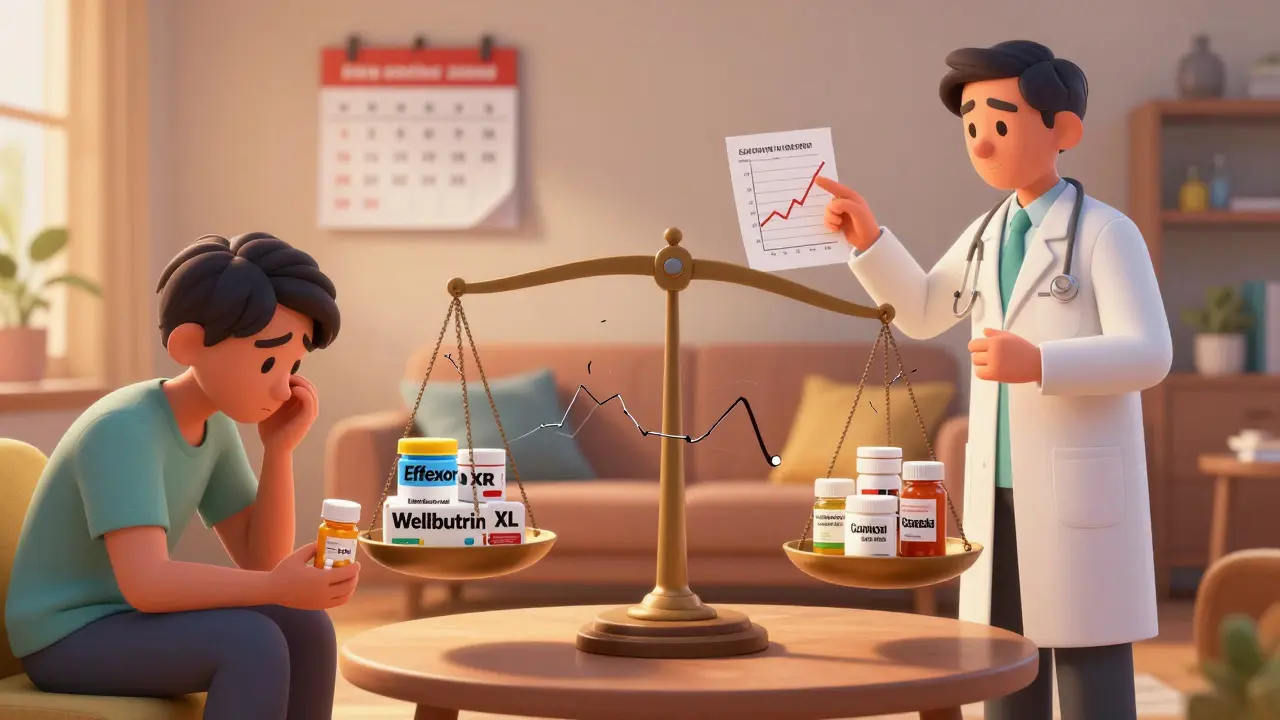
When one psychiatric medication isn’t enough, doctors often add another. This isn’t experimental-it’s standard practice for people with treatment-resistant depression, bipolar disorder, or severe anxiety. But when those carefully balanced combinations switch from brand-name drugs to generics, things can go wrong-sometimes in ways patients and even doctors don’t expect.
Why Combine Medications in the First Place?
Many people don’t get better on just one antidepressant. The STAR*D trial, a major U.S. government study from 2001 to 2006, found that nearly 40% of patients with major depression didn’t respond to their first medication. That’s not failure-it’s biology. The brain doesn’t always respond to a single chemical tweak. So clinicians add on. The most common combo? An SSRI or SNRI antidepressant with a low dose of an atypical antipsychotic like aripiprazole (Abilify). This pairing got FDA approval in 2014 after trials showed it boosted remission rates to 24.3%, compared to just 11.2% with placebo. Another well-studied option is Symbyax, a fixed-dose mix of fluoxetine and olanzapine, approved back in 2003 specifically for stubborn depression. Other combinations target specific problems. Bupropion (Wellbutrin) added to an SSRI helps fix sexual side effects-studies show 60-70% of patients improve. For anxiety that lingers after an SSRI, buspirone is often added because it doesn’t cause dependence like benzodiazepines. These aren’t random guesses. They’re based on decades of research into how brain chemicals interact.Generic Substitution Isn’t Always Safe
Generic drugs are cheaper. That’s good for wallets. But in psychiatry, cost savings can come with hidden risks. The FDA says generics must be 80-125% as bioavailable as the brand-name version. That’s a huge range. For drugs like lithium, where the safe level is between 0.6 and 1.2 mmol/L, even a small drop can trigger mania. A 2018 case series from the University of British Columbia found three bipolar patients went into mania within two weeks of switching from brand-name Eskalith to a generic. Their lithium levels fell from 0.85 to 0.55 mmol/L-even though the dose didn’t change. The problem isn’t just lithium. A 2019 study of nearly 28,500 patients found those switched to generic SSRIs had a 22.3% higher chance of treatment failure. Another study in JAMA Internal Medicine showed 7.2% of patients on psych meds had clinical worsening after a generic switch. Antidepressants and mood stabilizers had the highest rates. Some generics have known issues. In 2012, the FDA warned about certain generic bupropion XL formulations. Over 130 adverse event reports linked them to breakthrough anxiety and depression. The issue? Inconsistent drug release. The brand-name Wellbutrin XL uses a specific controlled-release system. Some generics don’t match it. Venlafaxine ER (Effexor XR) is another trouble spot. Different generic manufacturers use different bead technologies. That changes how serotonin and norepinephrine are released over time. In a combo therapy-say, venlafaxine with an SSRI-that imbalance can destabilize the whole system.Real Patients, Real Consequences
Online forums are full of stories that mirror the research. On Reddit’s r/depression, a May 2023 thread titled “Generic switch ruined my carefully balanced med cocktail” had over 1,200 upvotes and nearly 300 comments. One user wrote: “Switched from brand Lamictal to Apotex generic. My Zoloft stopped working within two weeks.” Another: “After switching my Abilify, my obsessive thoughts came back full force.” PatientsLikeMe tracked 4,215 people on combination therapy. Nearly 39% reported worsened symptoms after a generic switch. On GoodRx, a nurse shared a case where a patient on Prozac and Seroquel developed akathisia-a terrifying inner restlessness-within 10 days of switching to generic fluoxetine. The patient ended up hospitalized. It’s not all bad. Some people do fine. One Drugs.com reviewer said switching from brand Effexor XR to a Teva generic actually reduced their nausea. But the pattern is clear: the risk isn’t equal across all drugs or all people.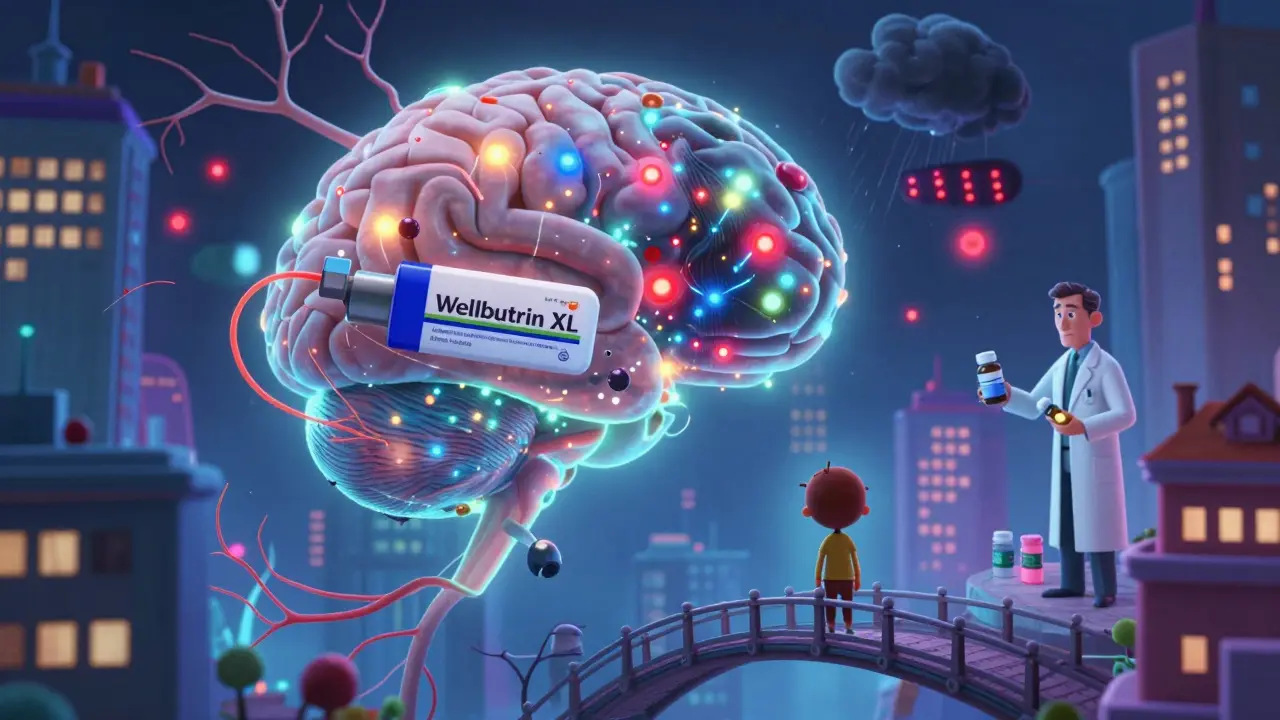
What Makes a Generic Riskier?
Not all generics are created equal. Some factors raise red flags:- Narrow therapeutic index: Lithium, carbamazepine, valproate. Tiny changes in blood levels cause big problems.
- Extended-release formulations: Bupropion XL, venlafaxine ER. Release mechanisms vary between manufacturers.
- Combination therapy: The more drugs you’re on, the more chances for interaction.
- Previous bad reaction: If you’ve had issues with a generic before, it’s not a fluke.
How to Stay Safe
If you’re on a psychiatric combination, here’s what you can do:- Know your meds. Write down the brand and generic name, dosage, and manufacturer. If you’re on bupropion XL, note whether it’s Wellbutrin XL or a specific generic like Apotex or Teva.
- Ask before switching. Don’t assume your pharmacist can swap your meds without telling your doctor. In California, pharmacists must now notify prescribers when switching psych meds in combination therapy.
- Monitor closely. If you switch, check in with your doctor within 7-10 days. Watch for changes in mood, sleep, anxiety, or side effects like tremors or nausea.
- Request therapeutic drug monitoring. For lithium, valproate, or clozapine, blood tests before and after a switch can catch problems early.
- Document everything. Keep a log of symptoms, sleep, energy, and side effects. This helps your doctor spot trends.
The Bigger Picture
The generic psych med market hit $18.7 billion in 2022. But behind that number are real people whose stability is being traded for savings. Medicaid patients are 40% more likely to be on generics than those with private insurance. That’s not just a cost issue-it’s a health equity issue. Some progress is being made. In January 2023, the Department of Veterans Affairs started a policy: if you’re stabilized on a combination therapy with a narrow therapeutic index, you stay on the same generic manufacturer for at least 12 months. Result? Hospitalizations dropped by nearly 19%. The FDA is also moving. In May 2023, they proposed tighter bioequivalence standards-90-111%-for extended-release psych drugs used in combos. That’s a big step. And authorized generics-brand-name drugs sold without the brand name-are now available for some combos, like Symbyax’s authorized version. The future may hold pharmacogenetic testing. Some experts believe we’ll soon be able to predict who can safely switch generics based on their genes. But that’s still years away.Bottom Line
Combining psychiatric medications can be life-changing. But switching to generics isn’t a simple cost-cutting move. It’s a medical decision. For some, it works fine. For others, it’s a trigger for relapse, hospitalization, or worse. If you’re on more than one psych med, don’t accept a generic switch without a conversation. Ask: Is this safe for me? What’s the manufacturer? Should we check blood levels? Can we stick with what’s working? Your brain doesn’t work like a light switch. Neither should your medication.Can I safely switch from a brand-name psychiatric medication to a generic?
It depends. For single medications like sertraline or citalopram, most people switch without issues. But if you’re on a combination-especially with lithium, valproate, bupropion XL, or venlafaxine ER-the risk of instability increases. Always consult your doctor before switching. Never let a pharmacist make the call without your prescriber’s input.
Why do generic antidepressants sometimes stop working?
It’s rarely because the active ingredient is different. The issue is how the drug is released in your body. Generic versions may use different fillers, coatings, or bead systems that change absorption speed. For extended-release drugs like Wellbutrin XL or Effexor XR, even small changes can cause blood levels to fluctuate, leading to breakthrough symptoms like anxiety, irritability, or depression.
Which psychiatric generics are most likely to cause problems?
The highest-risk generics include bupropion XL (due to inconsistent release), venlafaxine ER (because of altered serotonin-norepinephrine ratios), lithium carbonate (narrow therapeutic window), and lamotrigine (where small changes can trigger rashes or mood shifts). Combination therapy with any of these multiplies the risk.
Should I ask for brand-name medication instead of generic?
If you’re on a complex combination or have had bad reactions to generics before, yes. You have the right to request the brand name. Your doctor can write “Dispense as written” or “Do not substitute” on the prescription. Some insurance plans require prior authorization for brand-name drugs, but many will approve it for psychiatric stability.
What should I do if I feel worse after a generic switch?
Contact your prescriber immediately. Don’t wait. Keep a symptom log-note when symptoms started, what changed, and how severe they are. If you’re on lithium or another drug with a narrow therapeutic index, ask for a blood test. Many people feel better within days of switching back to the original formulation. Your stability matters more than cost.
Are authorized generics safer than regular generics?
Yes, often. Authorized generics are made by the same company that produces the brand-name drug, just without the brand label. They use identical ingredients and manufacturing processes. For example, the authorized generic of Symbyax is made by Eli Lilly-the same company that makes the brand. These are often the safest option if cost is a concern.
Julius Hader
December 29, 2025 AT 01:52I get why people freak out about generics, but come on. If your brain can’t handle a 10% difference in absorption, maybe you’re not as stable as you think. I’ve switched generics five times and never had an issue. Stop treating your meds like sacred relics. 😅
Vu L
December 31, 2025 AT 00:54Yeah right. The FDA says generics are fine but then why do people keep losing their minds after switching? Sounds like Big Pharma is just trying to scare people so they keep buying brand names. Or maybe the FDA’s just lazy. Either way, I’m not taking any chances.
James Hilton
December 31, 2025 AT 16:55So let me get this straight - we’re okay with generic toilet paper but not generic brain chemicals? 🤔 The same company makes both. Why is your serotonin more special than your toilet seat?
Mimi Bos
January 1, 2026 AT 23:56i read this whole thing and i was like wow. i switched my lamictal to a generic last year and i didnt notice anything but my mom said i was ‘quieter’ for a bit. maybe i just needed sleep? idk. but i’m scared to switch again lol
Payton Daily
January 3, 2026 AT 04:53This isn’t about pills. This is about control. The system wants you dependent on cheap, mass-produced chemicals so you don’t question why your life feels hollow. The brain isn’t a chemical reactor - it’s a soul with a nervous system. When you mess with the rhythm, you mess with the meaning. And nobody wants to admit that. They’d rather blame the generic manufacturer. Sad.
Nicole Beasley
January 4, 2026 AT 10:44My doc switched me from brand Abilify to a generic and I felt like a zombie for two weeks. 😔 Then I switched back and I was me again. So yeah - it’s real. Don’t let anyone tell you it’s ‘all in your head.’ 🧠💔
sonam gupta
January 5, 2026 AT 19:56Kelsey Youmans
January 6, 2026 AT 08:17While the data presented is compelling and aligns with clinical observations, I would urge all patients to engage in collaborative decision-making with their prescribers. The individual variability in pharmacokinetics and psychological response is profound, and a one-size-fits-all policy undermines patient autonomy and therapeutic efficacy. Documentation and communication remain paramount.
Sydney Lee
January 8, 2026 AT 01:06Let’s be honest - most people who complain about generics are either lazy, entitled, or haven’t read the actual FDA guidelines. The bioequivalence range is scientifically valid. If you can’t tolerate a 20% fluctuation in serum concentration, you’re not mentally ill - you’re medically fragile. And fragile people shouldn’t be running the show.
oluwarotimi w alaka
January 9, 2026 AT 16:56Debra Cagwin
January 11, 2026 AT 11:55If you’re on combination therapy, please - please - talk to your doctor before any switch. You’re not being dramatic. You’re being smart. Your mental health is worth more than a $10 savings. And if your pharmacist tries to swap without telling your prescriber, ask for the doctor’s name and call them directly. You’ve got this.
Hakim Bachiri
January 12, 2026 AT 17:05Okay, but why are we even having this conversation? Why aren’t we fixing the fact that Medicaid patients get stuck with the cheapest crap while rich people get the real stuff? It’s not the generics - it’s the system. You think your $300/month brand-name cocktail is sustainable? It’s not. We need universal mental healthcare, not better pill labels.
Celia McTighe
January 12, 2026 AT 18:44My cousin switched from brand Effexor to a generic and had panic attacks every day for a week. She cried for three days straight. Then she went back to the brand - and within 48 hours, she was laughing again. 😭❤️ I don’t care what the FDA says - if it breaks someone’s life, it’s not worth the risk. Your brain deserves better than a cost-cutting experiment.