Litigation in Generic Pharmaceutical Markets: How Patent Disputes Delay Affordable Medicines
 Mar, 18 2026
When a brand-name drug loses its patent, you’d expect cheaper generic versions to hit the market quickly. But in reality, many drugs stay expensive for years after their patent expires-not because of science, but because of patent litigation. In the U.S., this isn’t an accident. It’s a system designed to stretch monopoly power, often at the cost of patients and taxpayers.
How the System Was Supposed to Work
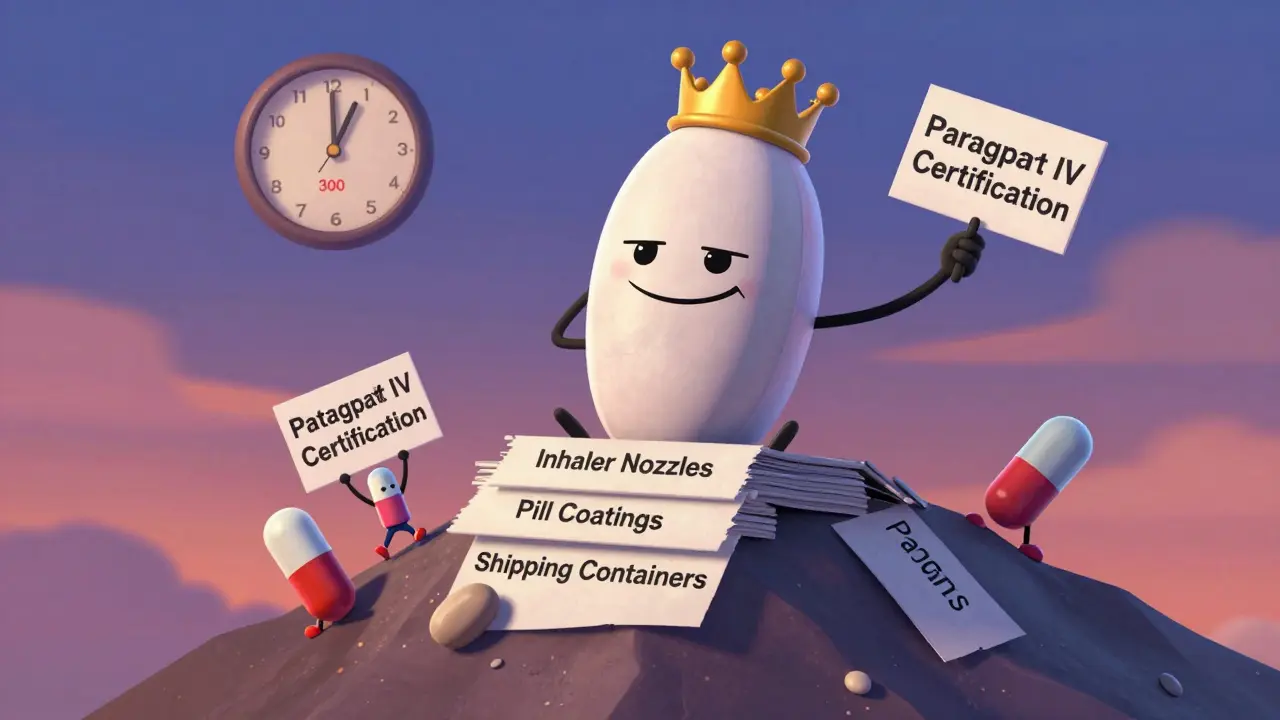
The Hatch-Waxman Act of 1984 created a balance: it gave drug companies extra patent time to make up for delays in FDA approval, while giving generic manufacturers a clear path to challenge those patents. Generic companies file what’s called a Paragraph IV certification, saying a brand-name drug’s patent is invalid or won’t be infringed. That triggers a 30-month clock. During that time, the FDA can’t approve the generic-unless the court rules in the generic maker’s favor. This was meant to encourage competition. But today, the system is being used differently. Instead of one clean challenge, brand companies now file multiple patents over time, each one delaying the next generic entry. It’s called serial patent litigation.The Orange Book: Where Patents Get Listed (and Sometimes Mislisted)
The FDA’s Orange Book is supposed to be a public list of patents tied to brand-name drugs. Only four types of patents qualify: those covering the active ingredient, the chemical formulation, how the drug is used, or how it’s made. That’s it. But companies have found loopholes. They list patents for things like inhaler nozzles, pill coatings, or even packaging devices-anything that isn’t the actual medicine. In 2025, Judge Chesler ruled in Teva v. Amneal that six patents on a dose counter for ProAir® HFA were improperly listed. The judge made it clear: if the patent doesn’t claim the drug itself, it doesn’t belong in the Orange Book. That ruling could invalidate 15-20% of all listed patents. But until then, brand companies keep using these extra patents to reset the 30-month clock. One drug, Eliquis (apixaban), has 67 patents. Semaglutide (Ozempic, Wegovy) has 152. That’s not innovation. That’s a legal shield.Where Lawsuits Happen: The Eastern District of Texas
In 2024, 38% of all patent lawsuits in the U.S. were filed in the Eastern District of Texas. That’s more than double the number in Delaware or the Western District of Texas. Why? Because this court has a reputation for being plaintiff-friendly. Juries here tend to side with patent holders. Judges are experienced in complex pharmaceutical cases. And the process is predictable for companies that file here regularly. Law firms like Fish & Richardson and Quinn Emanuel have built entire practices around this venue. Their revenue from patent litigation jumped 35-40% in 2024. This isn’t justice. It’s geography-as-strategy. Companies don’t pick this district because it’s fair. They pick it because it works.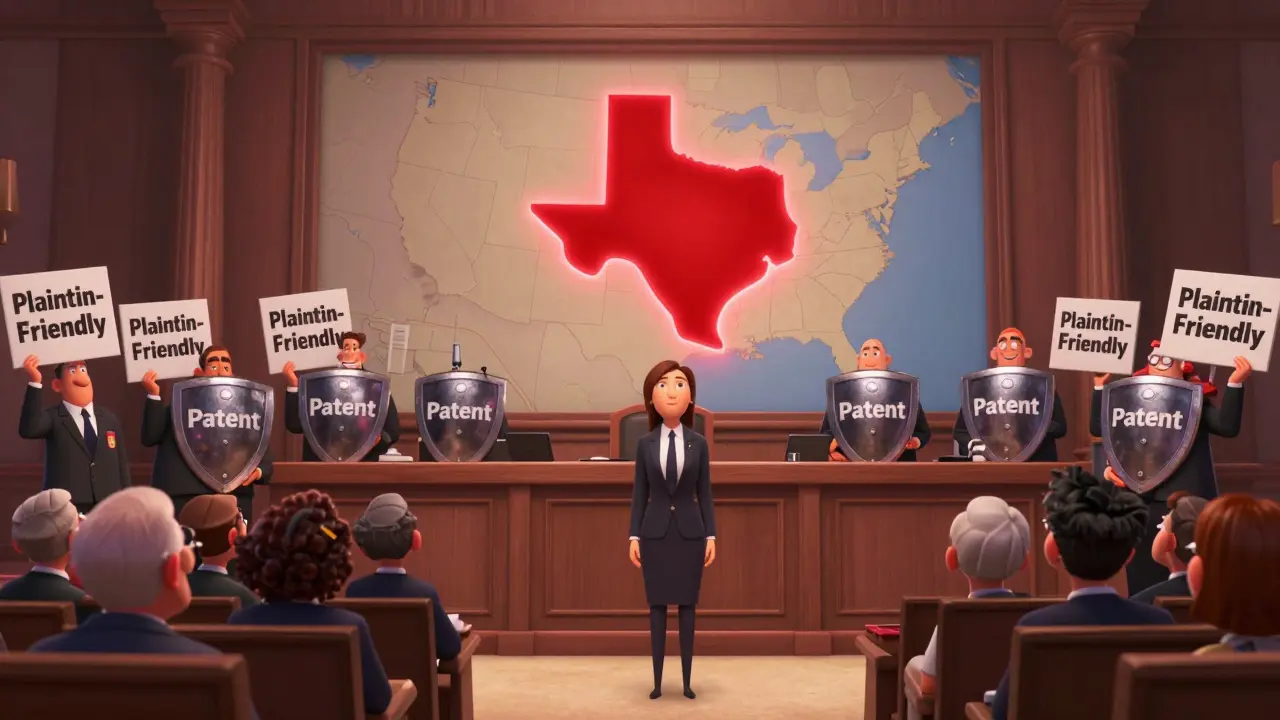
Settlements: Are They Helping or Hurting?
You’ve probably heard of “pay-for-delay” settlements-where brand companies pay generic makers to stay out of the market. The FTC has fought these for years. But new data shows the story is more complicated. The IQVIA Institute found that, on average, patent settlements actually get generics to market five years earlier than if no settlement happened. Why? Because without the option to settle, generic companies often don’t file Paragraph IV challenges at all. They know the legal costs are too high, and the odds too low. So while some settlements are anti-competitive, others are the only way generics can enter the market. The FTC still opposes them-but the data suggests banning settlements might reduce generic competition more than it helps.The Real Cost: Billions Lost, Patients Waiting
The FTC estimates that improper patent listings delay generic entry for about 1,000 drugs every year. That costs the U.S. healthcare system $13.9 billion annually. Patients pay more. Insurers pay more. Medicare and Medicaid pay more. Oncology drugs are the worst. The average time between patent expiration and generic entry for cancer drugs is now 5.7 years. That’s more than half a decade of inflated prices for life-saving treatments. One drug, Humira, had 100+ patents. Its first generic didn’t arrive until 2023-17 years after approval. Meanwhile, the average time from brand approval to first generic has doubled since 2005: from 14 months to 28 months. That’s not progress. That’s a broken system.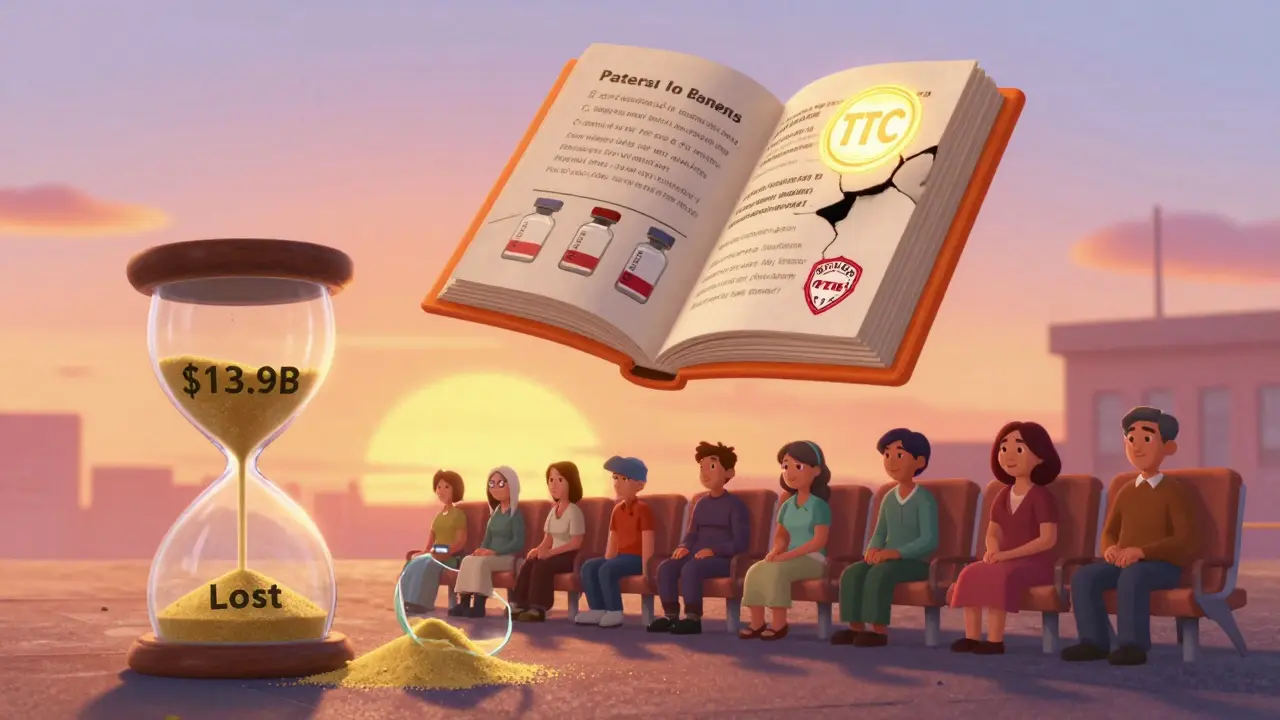
What’s Changing? New Rules, New Challenges
In 2025, the FTC issued warning letters to 200 patents across 17 drugs, demanding they be removed from the Orange Book. The Department of Justice held listening sessions with generic manufacturers who described how brand companies listed patents for manufacturing equipment, vials, and even shipping containers. The FDA is preparing new rules for Q2 2026 that will require brand companies to certify under penalty of perjury that every listed patent meets legal standards. That’s a big deal. Right now, there’s no penalty for listing junk patents. Soon, there will be. Generic companies are also turning to the Patent Trial and Appeal Board (PTAB) for inter partes reviews (IPRs). These are faster, cheaper ways to challenge patents outside of court. IPR filings against pharma patents jumped 47% from 2023 to 2024. But the Supreme Court’s April 2025 decision in Smith & Nephew v. Arthrex made it harder for generic companies to file these challenges unless they’ve already been threatened with litigation. That’s a setback.Where Do We Go From Here?
The system isn’t broken because it’s poorly designed. It’s broken because it’s being exploited. The Hatch-Waxman Act was meant to speed up access to affordable drugs. Today, it’s being used to delay them. The path forward isn’t simple. Banning settlements outright might reduce competition. Removing all patents from the Orange Book would hurt innovation. But doing nothing? That’s costing lives. The best chance for change lies in three areas:- Stricter Orange Book rules-enforced with real penalties
- Limiting serial litigation-no more resetting the 30-month clock with new patents
- Expanding PTAB access-so generics can challenge weak patents faster and cheaper
Aileen Nasywa Shabira
March 19, 2026 AT 09:03Kendrick Heyward
March 21, 2026 AT 02:54lawanna major
March 22, 2026 AT 18:36Ryan Voeltner
March 23, 2026 AT 16:05Linda Olsson
March 23, 2026 AT 23:04Ayan Khan
March 24, 2026 AT 01:27Emily Hager
March 24, 2026 AT 02:53Melissa Starks
March 25, 2026 AT 22:26Lauren Volpi
March 26, 2026 AT 11:22Kal Lambert
March 28, 2026 AT 01:46Melissa Stansbury
March 28, 2026 AT 23:50cara s
March 30, 2026 AT 17:21Amadi Kenneth
March 31, 2026 AT 01:12Shameer Ahammad
April 2, 2026 AT 01:11