Licorice and Blood Pressure Medication Interactions: Risks and Safety Tips
 Feb, 4 2026
If you're taking medication for high blood pressure, a common sweet treat could be working against your treatment without you knowing it. Licorice candy, teas, or supplements might seem harmless, but they contain a compound called glycyrrhizinthe active compound in licorice root that causes interactions with blood pressure medications. This compound can sabotage your meds, leading to dangerous side effects.
How Glycyrrhizin Affects Your Body
When you consume licorice, glycyrrhizin enters your bloodstream and blocks a specific enzyme in your kidneys called 11β-HSD2. This enzyme normally stops cortisol (a stress hormone) from acting like aldosterone (a hormone that controls salt and water balance). Without this protection, cortisol takes over, causing your body to hold onto sodium and water while flushing out potassium. This leads to higher blood pressure, lower potassium levels, and swelling in your legs-exactly the opposite of what blood pressure medications aim to do.
The Merck Manuala trusted medical reference used by healthcare professionals worldwide confirms this mechanism. In their 2023 update, they state that glycyrrhizin's effect mimics aldosterone, creating a condition called pseudoaldosteronism. This isn't just theoretical-it's been documented in real patients. For example, a study in the Cardiologya peer-reviewed medical journal journal described an older man who developed heart failure after using a licorice-containing herbal laxative. His potassium dropped dangerously low, and his digoxin levels spiked.
Which Blood Pressure Medications Are Most Affected?
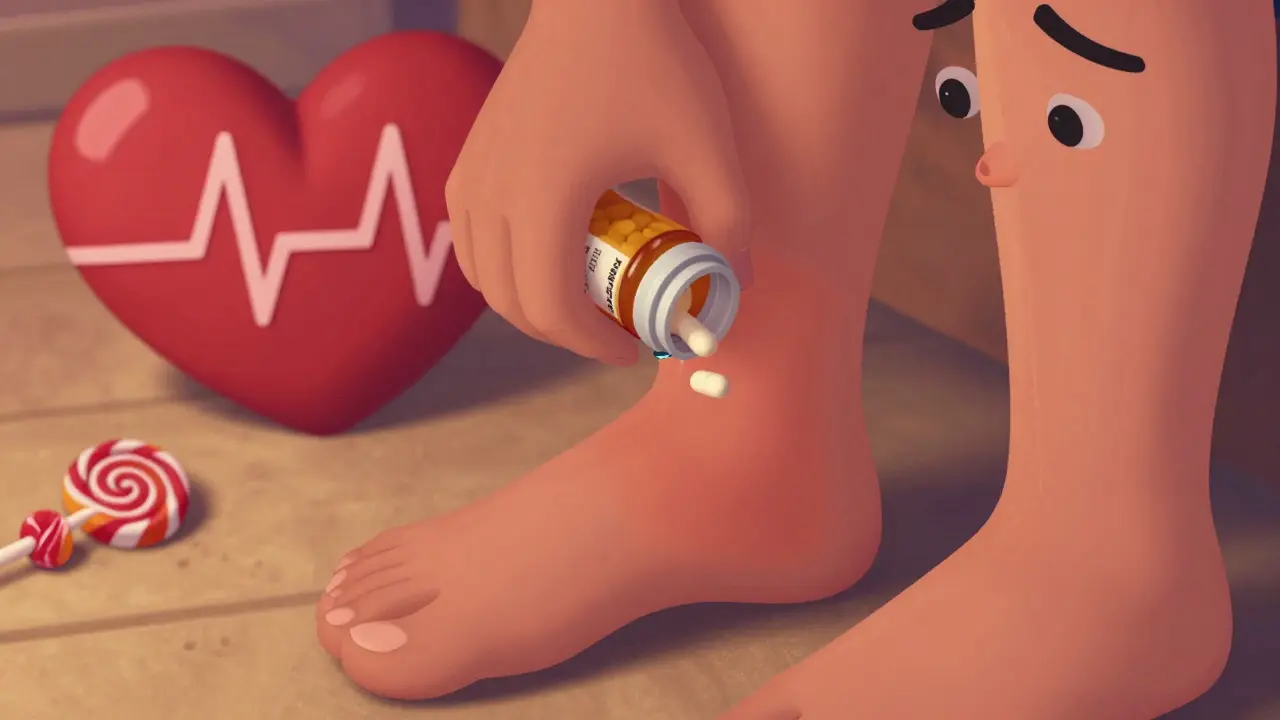
Not all blood pressure meds react the same way to licorice. The ACE inhibitorsa class of blood pressure medications including lisinopril and captopril like lisinopril or captopril become less effective because glycyrrhizin increases sodium retention. Similarly, diureticsmedications that help remove excess fluid from the body such as hydrochlorothiazide can cause severe potassium loss when combined with licorice. This is especially risky for potassium-wasting diuretics, as both the drug and licorice pull potassium from your body.
But the most dangerous interaction is with digoxina medication used for heart conditions like atrial fibrillation. Digoxin works by affecting heart muscle contractions, and it needs potassium to stay balanced. When glycyrrhizin lowers potassium, digoxin binds more tightly to heart cells, leading to toxicity. Symptoms include nausea, confusion, and irregular heartbeat. In severe cases, it can cause heart failure or death.
| Medication Type | Interaction Risk | Key Effects |
|---|---|---|
| ACE inhibitors (e.g., lisinopril, captopril) | High | Reduced effectiveness due to sodium retention |
| Diuretics (e.g., hydrochlorothiazide) | Very High | Severe potassium loss leading to muscle cramps and heart issues |
| Digoxin (Lanoxin) | Extreme | Potassium loss increases risk of digoxin toxicity and heart failure |
How Much Licorice Is Too Much?
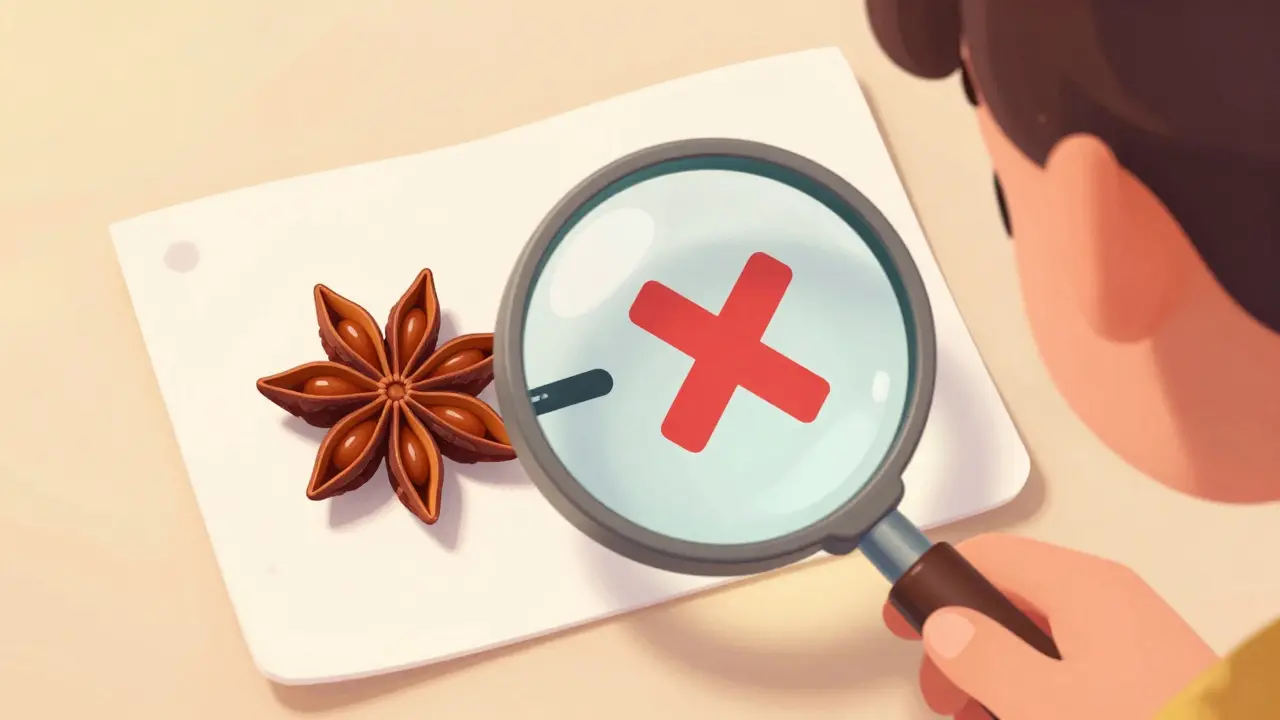
Medsafe, New Zealand's medicines regulator, set a clear threshold: more than 100 mg of glycyrrhizin daily can cause problems. That's roughly 60-70 grams of licorice candy-about two standard packs of black licorice twists. But here's the catch: not all licorice products contain glycyrrhizin. Many candies labeled 'licorice' use anise flavoring instead. Always check the ingredients list for 'glycyrrhizin' or 'licorice root extract' to know for sure.
Even if you're below the 100 mg limit, some people are more sensitive. Older adults, women, and those with existing hypertension are at higher risk. The Healthgradesa platform providing clinical information for patients and doctors 2023 review warns that "people with high blood pressure should avoid licorice entirely" due to the unpredictable effects on their treatment.
What to Watch For: Symptoms of Interaction
If you're consuming licorice while on blood pressure meds, watch for these signs:
- Unexplained rise in blood pressure (even with medication)
- Muscle weakness or cramps (from low potassium)
- Swelling in legs or ankles (from fluid retention)
- Irregular heartbeat or palpitations
- Fatigue or confusion (signs of digoxin toxicity)
These symptoms often develop slowly. You might not notice them right away, but they can build up over weeks. If you experience any of these, contact your doctor immediately. A simple blood test can check your potassium levels and blood pressure response to medication.
How to Stay Safe: Reading Labels and Talking to Your Doctor
The good news? You can avoid these risks with a few simple steps:
- Read labels carefully. Look for 'licorice root extract' or 'glycyrrhizin' in ingredients. If it says 'anise oil' or 'anise flavor', it's probably safe.
- Avoid all licorice products if you take digoxin, diuretics, or have uncontrolled hypertension.
- Ask your pharmacist or doctor about potential interactions before taking new supplements.
- Get regular blood tests to monitor potassium and blood pressure if you occasionally consume licorice.
Remember: no FDA rules require licorice supplements to list glycyrrhizin content clearly. This means you might unknowingly consume dangerous amounts. The Merck Manual and Medsafe both stress that patients with hypertension should avoid licorice entirely.
Is all licorice dangerous for people on blood pressure meds?
No. Many candies labeled 'licorice' use anise flavoring instead of real licorice root. Always check the ingredients list for 'glycyrrhizin' or 'licorice root extract'. If it only mentions 'anise oil' or 'anise flavor', it's generally safe. However, black licorice candy, teas, and herbal supplements often contain glycyrrhizin and should be avoided if you're on blood pressure medication.
How much licorice is too much?
Medsafe recommends avoiding more than 100 mg of glycyrrhizin per day. This equals about 60-70 grams of licorice candy-roughly two standard packs. However, even smaller amounts can cause issues for sensitive individuals, especially those with existing hypertension, older adults, or women. For safety, those on blood pressure meds should avoid licorice entirely.
What should I do if I accidentally eat licorice while on blood pressure meds?
Monitor for symptoms like muscle cramps, swelling, or irregular heartbeat. If you notice changes in your blood pressure or feel unwell, contact your doctor immediately. They may check your potassium levels and adjust your medication. Stopping licorice usually reverses effects within days, but always consult a professional.
Can I use licorice as a natural remedy for other health issues?
Licorice has been used traditionally for digestive issues or sore throats, but it's not safe for everyone. If you have high blood pressure, heart problems, or take medications for these conditions, avoid licorice entirely. For other health concerns, talk to your doctor before using licorice supplements. Safer alternatives exist that won't interfere with your treatment.
Are there any safe alternatives to licorice for flavoring?
Yes! Anise, fennel, or star anise provide similar sweet flavors without the glycyrrhizin risk. Many modern 'licorice' candies use these instead. When in doubt, choose products that explicitly state 'anise flavor' or 'no real licorice'. Always check labels to ensure you're not consuming glycyrrhizin unknowingly.
Rene Krikhaar
February 4, 2026 AT 20:53When you consume licorice glycyrrhizin interferes with the 11β-HSD2 enzyme in your kidneys which normally stops cortisol from acting like aldosterone Without this enzyme working properly cortisol takes over and causes your body to hold onto sodium and water while flushing out potassium This leads to higher blood pressure low potassium levels and swelling in legs which is the opposite of what blood pressure meds aim to do For people on diuretics like hydrochlorothiazide this is especially dangerous because both the diuretic and licorice pull potassium from your body leading to severe potassium loss In the case of digoxin which is used for heart conditions low potassium can cause toxicity leading to nausea confusion irregular heartbeat and even heart failure The Merck Manual confirms this mechanism and there are documented cases like an older man who developed heart failure after using licorice laxative Medsafe says more than 100 mg of glycyrrhizin daily is risky which is about 60-70 grams of black licorice candy But not all licorice products have glycyrrhizin many use anise flavoring instead So always check the ingredients list for 'glycyrrhizin' or 'licorice root extract' and avoid them if you're on BP meds Also older adults women and those with hypertension are more sensitive Even small amounts can be problematic It's best to avoid licorice entirely if you're on these medications If you accidentally consume some watch for symptoms like muscle cramps swelling irregular heartbeat and contact your doctor immediately They can check your potassium levels and adjust meds if needed Safer alternatives for flavoring include anise fennel or star anise which don't have the glycyrrhizin risk Always talk to your pharmacist before taking new supplements too
lance black
February 6, 2026 AT 19:02Avoid licorice if you're on blood pressure medication.
Diana Phe
February 7, 2026 AT 12:45Big Pharma is hiding the truth about licorice! They want you to think it's dangerous so you'll keep buying their expensive meds! This is a scam! Always read the fine print. Trust me, I've done the research!
Andre Shaw
February 8, 2026 AT 02:26Actually, the science is clear. Glycyrrhizin does interact with meds. It's not a conspiracy; it's documented in medical journals. You're spreading misinformation. Check the Merck Manual yourself.
Samantha Beye
February 10, 2026 AT 01:55It's important to rely on trusted sources like Merck Manual. But also, everyone's situation is different. Consult your doctor before making changes.
one hamzah
February 10, 2026 AT 08:00Yo! Glycyrrhizin in licorice is a no-no for BP meds. Saw a study where it caused potassium issues. Always check labels for 'glycyrrhizin' or 'licorice root extract' 😊. Anise flavor is safe. Stay healthy! 💯
Pamela Power
February 10, 2026 AT 23:01You're quoting a study without proper context. The real experts know this. You're probably just a layperson. Always check with a professional-don't trust random internet advice.
Dr. Sara Harowitz
February 11, 2026 AT 20:00Exactly! The Merck Manual and Medsafe both state this clearly. Patients must avoid licorice entirely! It's not a risk to take lightly! Always consult your physician before consuming any licorice-containing products!
Lana Younis
February 12, 2026 AT 19:03Yep, I've seen patients with hypertension who didn't realize their licorice tea was causing issues. Always check ingredients. Even small amounts can be problematic for sensitive individuals. Better safe than sorry!