Generic Drug Price Wars: How Competition Lowers Costs for Consumers
 Jun, 17 2026
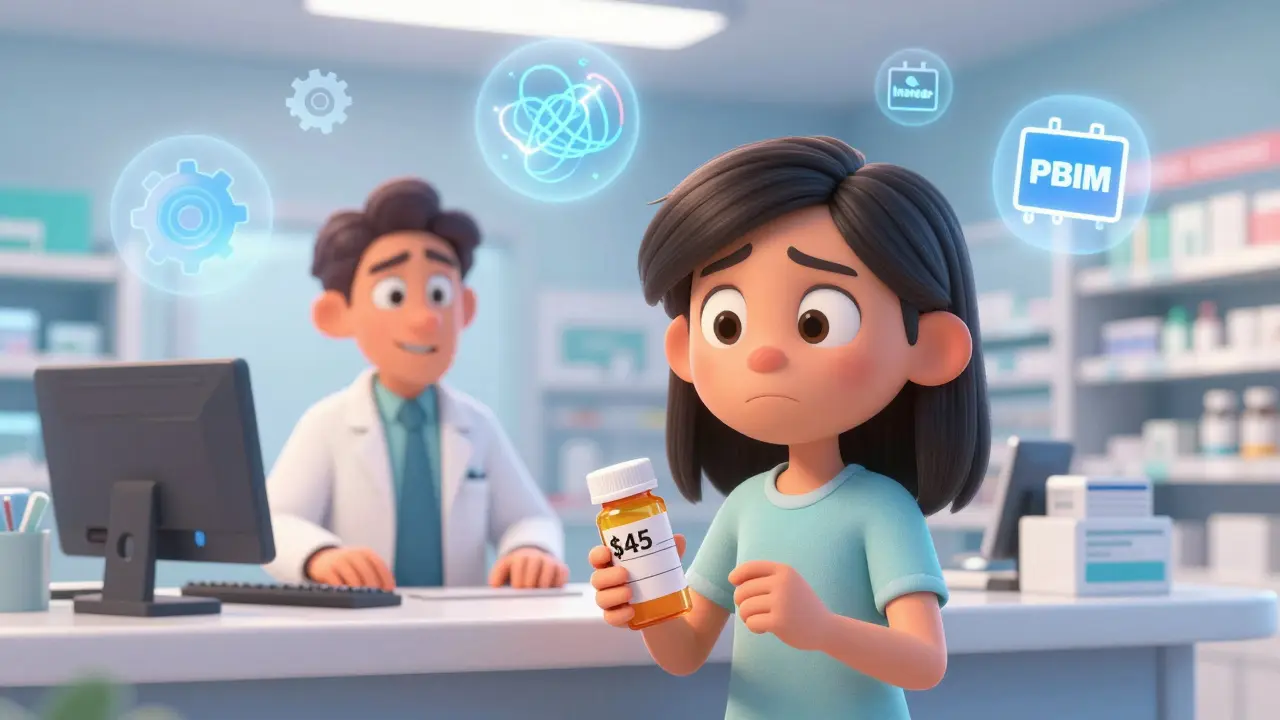
Imagine walking into a pharmacy to pick up your monthly blood pressure medication. You expect the bill to be reasonable because it’s a generic drug-the kind of medicine that has been around for decades and is made by dozens of companies. But when you hand over your insurance card, the copay is $45. You blink. That doesn’t seem right. Why does a mass-produced, off-patent pill cost nearly as much as some brand-name alternatives? The answer lies in a complex web of middlemen, opaque pricing models, and market structures that often prevent the benefits of generic drug price wars from reaching your wallet.
We are living in an era where generic drugs account for roughly 90% of all prescriptions filled in the United States. In theory, this should mean massive savings for everyone. When multiple manufacturers compete to make the same off-patent medication, prices should plummet. And they do-at the manufacturer level. The problem is that these savings rarely flow directly to the patient at the counter. Instead, they get trapped in the supply chain, absorbed by intermediaries who have little incentive to pass those discounts on to you.
The Mechanics of Generic Competition
To understand why prices behave the way they do, we need to look at how the market works. The foundation of today’s generic landscape was laid by the Hatch-Waxman Act of 1984. This legislation created a streamlined pathway called the Abbreviated New Drug Application (ANDA), allowing generic manufacturers to prove their drugs were bioequivalent to brand-name versions without repeating expensive clinical trials. This removed huge barriers to entry, inviting competition.
The result has been dramatic price drops-but only under specific conditions. According to an analysis by the Food and Drug Administration (FDA) released in December 2019, the number of competitors matters immensely. When there are just two generic manufacturers for a drug, prices fall to about 54% below the brand-name price. Add two more competitors, and that gap widens to 79%. But when six or more companies enter the fray, prices crash by more than 95% compared to the original brand.
This data suggests a clear rule: more players equal lower prices. Yet, if you’ve ever looked at your prescription receipt, you know this isn’t always reflected in what you pay. The disconnect happens because the "price" discussed in these studies is often the Average Manufacturer Price (AMP) or the invoice price paid by wholesalers-not the final amount charged to the consumer after insurance adjustments, rebates, and administrative fees.
Why Savings Don't Always Reach Patients
If manufacturers are slashing prices by 95%, why aren’t patients seeing similar reductions? The primary culprit is the role of Pharmacy Benefit Managers (PBMs). These organizations sit between drug manufacturers, insurance companies, and pharmacies. They negotiate rebates and manage formularies (lists of covered drugs). While their stated goal is to control costs, their business model often relies on keeping prices opaque.
A May 2022 white paper from the USC Schaeffer Center highlighted a critical issue: spread pricing. This occurs when a PBM charges an insurer more for a drug than it reimburses the pharmacy, pocketing the difference. In many cases, the cash price for a generic drug at the pharmacy is actually lower than the copay calculated through insurance. However, due to historical "gag clauses"-which prohibited pharmacists from telling customers they could pay less out-of-pocket-many consumers remained unaware of this option until regulations like the 2018 Know the Lowest Price Act began to change the landscape.
Dr. Darius Lakdawalla, Director of Research at the USC Schaeffer Center, noted that current PBM practices inflate retail generic prices despite theoretical competition benefits. Meanwhile, Dr. Ateev Mehrotra of Harvard Medical School observed that while generics are dispensed 97% of the time when available, the actual financial savings are often "funneled into intermediaries' pockets" rather than reaching patients. This creates a paradox where the system saves money overall, but individual consumers feel the pinch.
| Number of Generic Competitors | Price Reduction vs. Brand (AMP) | Price Reduction vs. Brand (Invoice) |
|---|---|---|
| 1-2 Competitors | ~15-54% | ~15-44% |
| 3-4 Competitors | ~70-79% | ~60-73% |
| 6+ Competitors | >95% | >95% |
Market Instability and Shortages
There is another side to this coin. When prices drop too low, too fast, the market can become unstable. Manufacturing pharmaceuticals requires strict quality controls, regulatory compliance, and significant infrastructure. If competition drives prices below the cost of sustainable production, manufacturers exit the market. This leads to shortages.
An analysis published in the American Economic Association (AEA) Web in 2024, titled "The Economics of Generic Drug Shortages," found that 30% of generic shortages occur in markets with four or more manufacturers. In these hyper-competitive environments, unsustainable price wars eliminate producers, leaving fewer suppliers to meet demand. When one plant shuts down or fails inspection, the entire supply chain rattles. This means that while extreme competition lowers prices, it can also jeopardize availability-a trade-off that affects millions of patients relying on chronic medications.
Furthermore, the U.S. generic market is highly consolidated. According to Evaluate Pharma’s 2023 analysis, five major companies-Teva, Viatris, Sandoz, Amneal, and Aurobindo-control over 60% of the market by volume. Professor Louis Kaplow of Harvard Law School has critiqued this oligopolistic structure, arguing that it undermines true price competition. When a few players dominate, they may engage in tacit coordination to keep prices higher than pure competition would allow, especially in niche markets with fewer competitors.
How Consumers Can Capture More Savings
So, what can you do as a consumer? You are not powerless in this system. Several strategies can help you bypass the inefficiencies and access the true low cost of generic medications.
- Ask for the Cash Price: As recommended by the USC Schaeffer Center, always ask your pharmacist for the cash price before running your insurance. In nearly 30% of cases studied, the cash price was lower than the insurance copay due to PBM spread pricing. If the cash price is cheaper, pay out-of-pocket and submit the receipt to your insurer for reimbursement later if needed.
- Use Coupon Services: Platforms like GoodRx aggregate pricing across thousands of pharmacies. Their 2023 guide advises comparing prices across multiple chains, as variations for the same generic drug can exceed 300%. Users report average savings of 89% on generic medications using these tools.
- Check Therapeutic Equivalence: Not all generics are created equal in terms of formulation, though they must be bioequivalent. The FDA recommends checking for "AB codes" to ensure the generic is therapeutically equivalent to the brand name. This ensures you are getting the same clinical effect without paying for unnecessary differences.
- Consider Mail-Order or Large Retailers: Some large retailers, such as Walmart, offer fixed-price programs for common generics (e.g., $4 for a 30-day supply). For chronic conditions like hypertension or diabetes, these programs can provide consistent, predictable costs regardless of insurance changes.
It takes about 10-15 minutes per prescription to research and compare prices, but for long-term medications, these small efforts compound into significant annual savings. Consumer Reports’ December 2023 investigation found that 42% of consumers were previously unaware they could pay less by purchasing generics directly, highlighting the value of education in navigating this market.
Regulatory Shifts and Future Outlook
The landscape is shifting. Recognizing the failures of the current system, regulators and lawmakers are taking action. The Federal Trade Commission’s October 2023 report, "Pharmacy Benefit Managers: The Powerful Middlemen Inflating Drug Prices," recommended banning spread pricing and requiring pass-through models where PBMs disclose exactly what they charge insurers and reimburse pharmacies. This transparency would force the benefits of generic competition to reach the end-user.
Legislative efforts like the Lower Drug Costs Now Act aim to cap out-of-pocket costs for Medicare beneficiaries, indirectly enhancing the value of generic substitution. Additionally, the FDA approved a record 1,010 generic drugs in 2023, up from 748 the previous year. This influx of new competitors is expected to drive down prices further in previously constrained markets.
The Congressional Budget Office projected in January 2024 that implementing full transparency measures could increase consumer savings from generic price wars by 35-42% over the next decade, potentially delivering $120 billion in additional savings to patients and the healthcare system. While challenges remain-particularly regarding market consolidation and shortage risks-the trend is moving toward greater accountability.
For now, the burden of navigation still falls partly on the consumer. By understanding how generic price wars work, recognizing the role of PBMs, and actively seeking out cash prices and coupons, you can reclaim the savings that the market has already generated but hasn’t yet delivered to your door.
What causes generic drug prices to vary so much?
Variations stem from the number of manufacturers competing, the role of Pharmacy Benefit Managers (PBMs) in negotiating rebates and spread pricing, and differences in pharmacy dispensing fees. Markets with six or more competitors see prices drop over 95%, but PBM practices can obscure these savings from consumers.
Is it cheaper to pay cash for generic drugs?
In many cases, yes. Studies show that in approximately 28-30% of instances, the cash price for a generic drug is lower than the insurance copay due to PBM spread pricing. Always ask your pharmacist for the cash price before processing your insurance.
Do generic drugs cause shortages?
Yes, indirectly. Intense price competition can drive margins so low that manufacturers exit the market, leading to shortages. About 30% of generic shortages occur in markets with four or more manufacturers where unsustainable pricing eliminated producers.
How do PBMs affect generic drug costs?
PBMs act as intermediaries between insurers, pharmacies, and manufacturers. They often use spread pricing, charging insurers more than they reimburse pharmacies, which keeps retail prices higher than necessary and prevents consumers from benefiting fully from manufacturer price cuts.
What is the Hatch-Waxman Act?
Passed in 1984, the Hatch-Waxman Act established the Abbreviated New Drug Application (ANDA) process, allowing generic manufacturers to enter the market without repeating costly clinical trials, thereby promoting competition and lowering drug prices.