Counterfeit Drugs in Developing Nations: Safety Risks and Solutions
 Aug, 19 2026
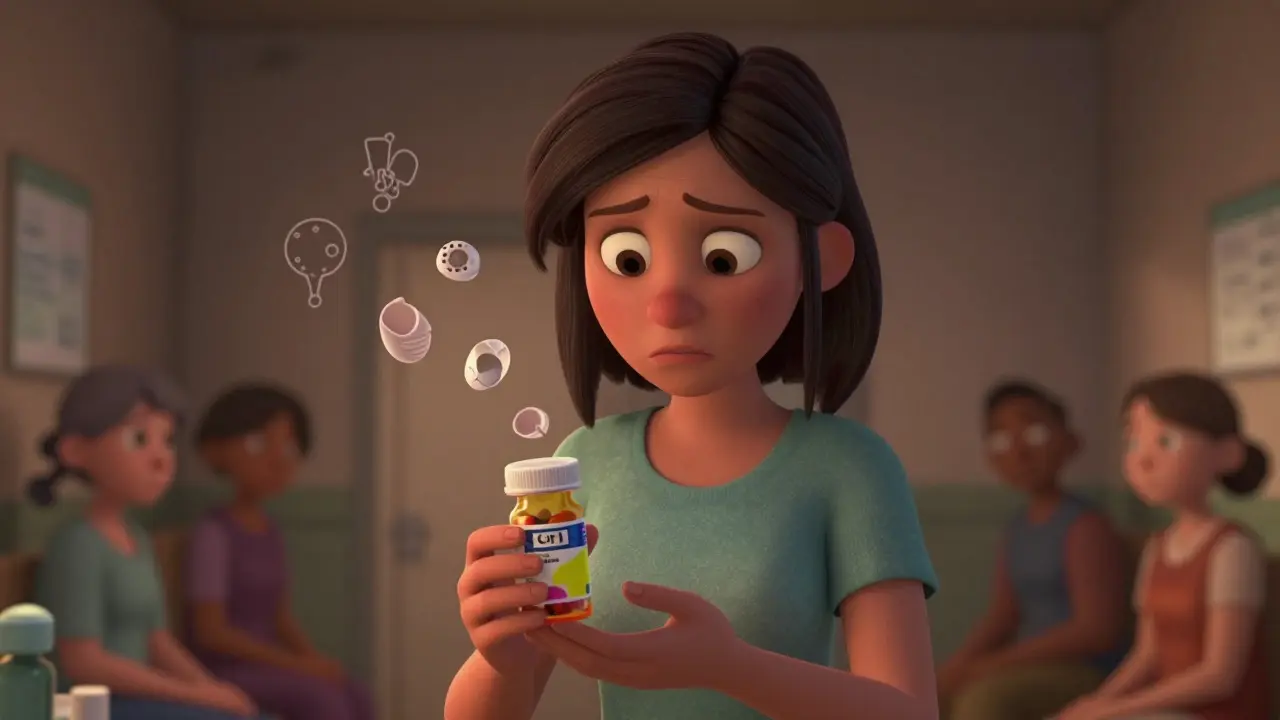
Imagine buying medicine for your child’s fever, only to find out later it contains no active ingredient at all. For millions of people in low- and middle-income countries, this isn’t a hypothetical scenario-it’s a daily reality. Counterfeit drugs are medicines that deliberately or fraudulently misrepresent their identity, composition, or source. They look identical to the real thing, but inside, they can be empty shells, under-dosed, or filled with toxic substances. This crisis threatens not just individual health, but the stability of entire healthcare systems in developing regions.
The scale is staggering. The World Health Organization (WHO) estimates that roughly 10% of medicines in these regions are substandard or falsified. That translates to about $83 billion worth of fake products sold globally each year. But the cost isn’t just financial; it’s measured in lives. From pneumonia in children to untreatable malaria, drug safety is compromised when trust in the supply chain breaks down.
The Hidden Cost of Fake Medicine
When a patient takes a counterfeit antibiotic, two things can happen: the infection doesn’t clear, or it becomes resistant. A 2022 study in The Lancet found that 87% of tested counterfeit antibiotics contained insufficient active ingredients to treat infections effectively. This drives antimicrobial resistance (AMR), making common diseases harder to cure. In sub-Saharan Africa, WHO data links substandard anti-malarial drugs to over 116,000 deaths annually. Meanwhile, OECD reports estimate that adverse toxicity and treatment failures from fakes contribute to 72,000-169,000 child deaths from pneumonia every year.
These aren’t just statistics. In 2012, a tragedy in Lahore, Pakistan, saw over 200 deaths linked to contaminated heart medications distributed through public hospitals. The active ingredient was present at toxic levels, highlighting how even “authorized” channels can fail without rigorous quality control. Today, criminal networks exploit these gaps with sophistication. Interpol’s 2025 Operation Pangea XVI revealed that counterfeiters now use 3D printing to replicate packaging with up to 99% accuracy. If you can’t tell the difference by looking, how do you know what’s in the pill?
Why Developing Nations Are Most Vulnerable
You might wonder why this problem hits harder in poorer countries. It comes down to three factors: weak regulation, limited access, and economic pressure. In many low-income settings, legitimate medicines cost 300-500% more than their counterfeit counterparts. When a family can’t afford the real drug, the cheaper alternative looks tempting-even if the risk is life-threatening.
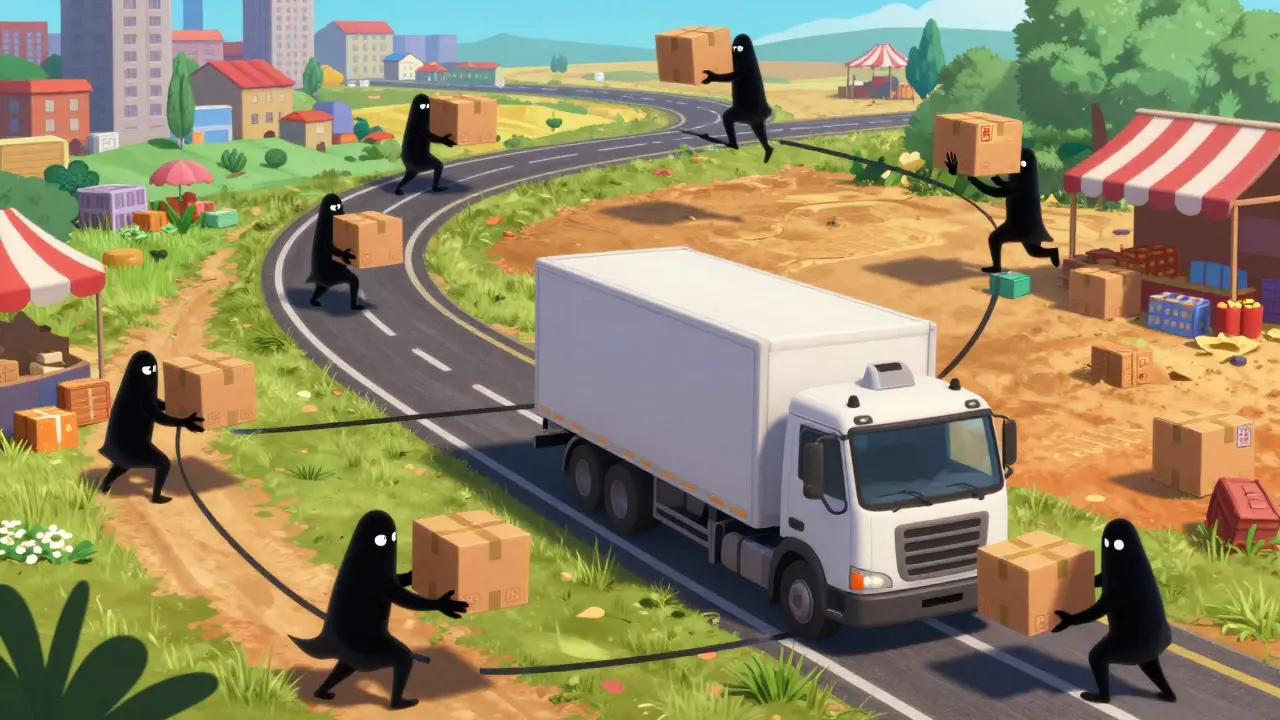
Supply chains add another layer of complexity. Counterfeit drugs often pass through 5-7 intermediaries before reaching the consumer. Each handoff is an opportunity for tampering or substitution. In some border regions of Southeast Asia, up to 50% of available antimalarials are fake. Africa faces similar challenges, with prevalence rates of substandard medicines reaching 18.7% according to the 2025 WHO African Regional Report. Compare that to the United States, where the FDA reports a counterfeit rate of just 1%. The gap reflects not just poverty, but fragmented regulatory oversight.
| Region | Prevalence Rate | Commonly Affected Categories | Key Risk Factor |
|---|---|---|---|
| Africa | 18.7% | Antimalarials, Antibiotics | Limited cold-chain infrastructure |
| Asia-Pacific | 14.2% | Oncology, Biologics | High-fidelity packaging replication |
| Latin America | 10.3% | Cardiovascular, CNS Medications | Cross-border informal trade |
| United States | ~1% | Niche/Specialty Drugs | Strong FDA enforcement |
How Fakes Slip Through the System
Detecting counterfeit drugs is tough because they’re designed to fool both patients and pharmacists. About 30% contain no active ingredient at all, 45% have incorrect dosages, and 25% include harmful substances like chalk or paint. Visual inspection alone has only a 30% effectiveness rate, according to WHO data. You’d need specialized tools to catch most fakes reliably.
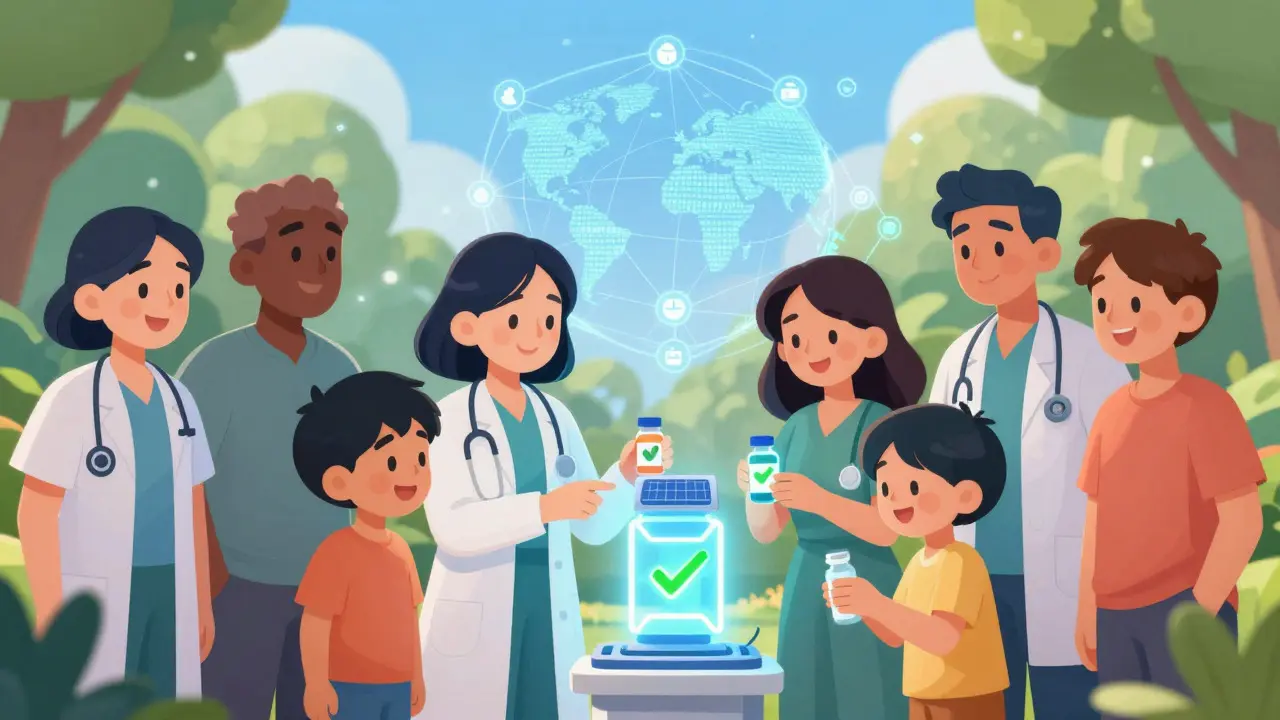
Spectroscopy offers 95% accuracy, but the equipment is expensive and unavailable in 85% of rural health facilities in low-income countries. Chemical testing kits are cheaper ($5-$10 per test) but only 70% accurate. Emerging solutions like blockchain verification are showing promise. Pfizer, for example, has prevented over 302 million counterfeit doses from reaching patients since 2004 using its anti-counterfeiting programs. In March 2025, the WHO launched the Global Digital Health Verification Platform, which uses blockchain to track medicines from manufacturer to patient with 99.9% accuracy. It’s already live in 27 countries, but adoption remains slow in resource-poor settings.
Real Stories Behind the Data
Numbers don’t always capture the human impact. On a global health forum, a user from Nigeria shared: “My brother died of malaria last year after taking counterfeit Coartem; the pharmacy had no way to verify authenticity.” In Kenya, a healthcare worker reported that 50% of malaria test kits in rural clinics were counterfeit, delaying proper treatment. These stories highlight a critical gap: even when verification tools exist, they often don’t reach the people who need them most.
Trust matters. A 2024 survey across 10 African countries found that 63% of respondents had knowingly or unknowingly purchased counterfeit medicines. Thirty-one percent reported adverse health effects. Yet, simple SMS-based verification apps like mPedigree have saved lives. One Ghanaian user noted, “The SMS verification system saved my child’s life when we discovered the antimalarial was fake.” The app holds a 4.2/5 rating on Google Play with 15,000 reviews. But there’s a catch: only 28% of users in low-literacy regions can successfully use such technologies without help.
What Can Be Done? Practical Steps Forward
Fighting counterfeit drugs requires action at multiple levels. Here’s what’s working:
- Strengthening Regulatory Frameworks: The Medicrime Convention, ratified by 76 countries as of 2025, provides a legal basis for prosecuting pharmaceutical fraud. But only 45 countries have fully implemented it. More ratification means fewer safe havens for criminals.
- Investing in Verification Technology: Solar-powered verification devices are now deployed in 12 African countries with an 85% functionality rate. Simplified protocols using basic mobile phones reach 92% of the population in target areas.
- Community Training: Programs training community health workers have reduced counterfeit medicine usage by 37% in pilot regions, according to a 2024 UNDP evaluation. Basic visual inspection training takes just 2-4 hours and improves detection slightly, while advanced spectroscopic analysis requires 80-100 hours of specialized training.
- International Cooperation: Interpol’s Operation Pangea XVI involved 90 countries, resulting in 769 arrests, 123 dismantled criminal groups, and the seizure of 50.4 million counterfeit doses. Coordination is key-counterfeiters operate across borders, so enforcement must too.
The EU is also stepping in with its 2026 Anti-Counterfeiting Pharmaceutical Initiative, allocating €250 million to strengthen supply chain security in 30 developing nations. The WHO aims to reduce counterfeit prevalence to below 5% in all member states by 2027. Without intervention, the World Bank warns that counterfeit medicines could cause 5.7 million cumulative deaths in developing nations by 2030. But AI-powered verification systems could cut that figure by 65% if fully deployed.
Looking Ahead: The Future of Drug Authenticity
The landscape is changing. Criminal networks are adapting faster than ever. In 2024, 35% of counterfeit medicines included sophisticated security features previously reserved for legitimate products. AI-generated packaging appeared in 15% of cases, and cryptocurrency payments make transactions harder to trace. The OECD warns that the intricate web of global supply chains continues to provide opportunities for exploitation.
Yet, hope exists. As digital health platforms expand and international cooperation deepens, the tide may turn. For now, consumers in developing nations should stay vigilant. Always buy from licensed pharmacies, check for verification codes via SMS or apps, and report suspicious products to local authorities. Small actions can make a big difference in a crisis that affects millions.
What is the difference between substandard and falsified medicines?
Substandard medicines are authorized products that fail to meet quality standards due to manufacturing errors or poor storage. Falsified medicines are deliberately made to misrepresent their identity, composition, or source. Both pose serious risks, but falsified ones involve intentional fraud.
How can I check if my medicine is counterfeit?
Look for verification codes on the packaging and scan them using official apps like mPedigree or national registry tools. Check for spelling errors, inconsistent colors, or pills that dissolve incorrectly. If possible, buy only from licensed pharmacies and keep receipts for tracking.
Which countries have the highest rates of counterfeit drugs?
Africa has the highest prevalence at 18.7%, followed by Asia-Pacific at 14.2% and Latin America at 10.3%. Specific hotspots include border regions in Southeast Asia and parts of sub-Saharan Africa where regulatory oversight is weakest.
Are generic drugs more likely to be counterfeit?
Not necessarily. Counterfeiters target high-demand, high-value drugs regardless of whether they’re branded or generic. However, generics are often cheaper, making them attractive targets for profit-driven fakes. The risk lies in the supply chain, not the product type itself.
What role does technology play in fighting counterfeit drugs?
Technology is crucial. Blockchain tracking, AI-powered packaging analysis, and mobile verification apps help authenticate medicines quickly. Solar-powered devices and SMS-based systems make these tools accessible even in remote areas with limited electricity or internet access.