Sensitive Skin Care: Fragrance-Free Routines and How to Test Products Safely
 Dec, 4 2025
If your skin stings when you wash your face, turns red after using a new moisturizer, or breaks out without any obvious reason, you’re not alone. Millions of people struggle with sensitive skin-and the biggest culprit isn’t dirt, pollution, or even stress. It’s often something hidden in plain sight: fragrance.
Why Fragrance Is the #1 Trigger for Sensitive Skin
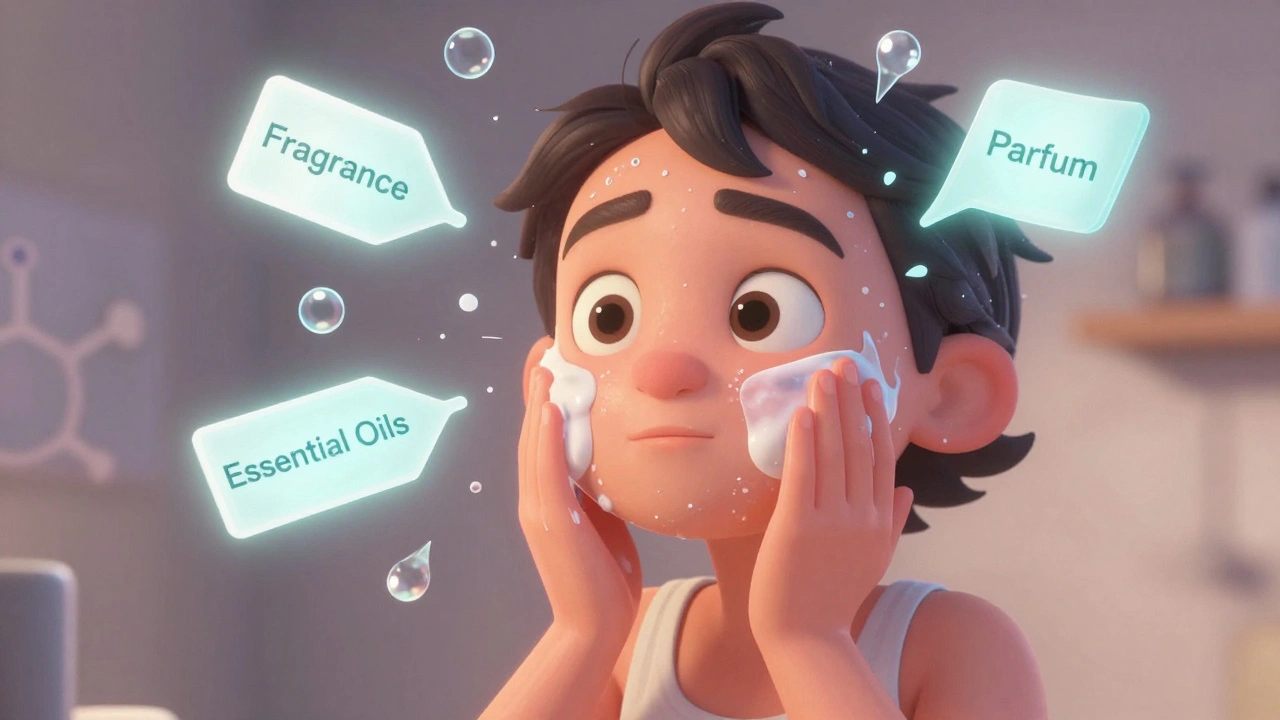
Fragrance isn’t just about smell. In skincare, it’s a chemical cocktail. Even products labeled "natural" or "essential oil-based" can contain dozens of unlisted compounds that irritate reactive skin. According to the American Contact Dermatitis Society, fragrance ingredients cause 30-45% of all cosmetic-related skin reactions. That’s nearly half of all cases. The problem? The word "fragrance" or "parfum" on an ingredient list hides up to 200 different chemicals. Some are synthetic. Others come from lavender, citrus, or tea tree oil-things you’d assume are safe. But for sensitive skin, even natural fragrances trigger inflammation. Dr. Whitney Bowe, a board-certified dermatologist, says fragrance is responsible for 38% of allergic contact dermatitis cases she sees in her clinic. And it’s not just itching or redness. Fragrance disrupts your skin’s natural barrier. This thin outer layer normally keeps moisture in and irritants out. When it’s damaged, your skin loses hydration, becomes dry and tight, and reacts to everything-from cold air to sweat.What "Fragrance-Free" Really Means (And What It Doesn’t)
Not all "fragrance-free" labels are created equal. - Fragrance-free: No added scent compounds. Not even essential oils. This is what you want. - Unscented: May still contain masking fragrances to cover up the smell of other ingredients. These can still irritate you. A 2023 analysis by Pretty Farm Girl found that 68% of products marketed as "natural" still contain undisclosed fragrance components. Even products labeled "for sensitive skin" aren’t always safe. Cleure’s independent testing showed that 58% of products targeting sensitive skin still contain hidden fragrance. To be sure, read the ingredient list. Look for these red flags:- Fragrance
- Parfum
- Aroma
- Essential oils (lavender, peppermint, eucalyptus, etc.)
- Flavor
The Three-Step Fragrance-Free Routine That Works
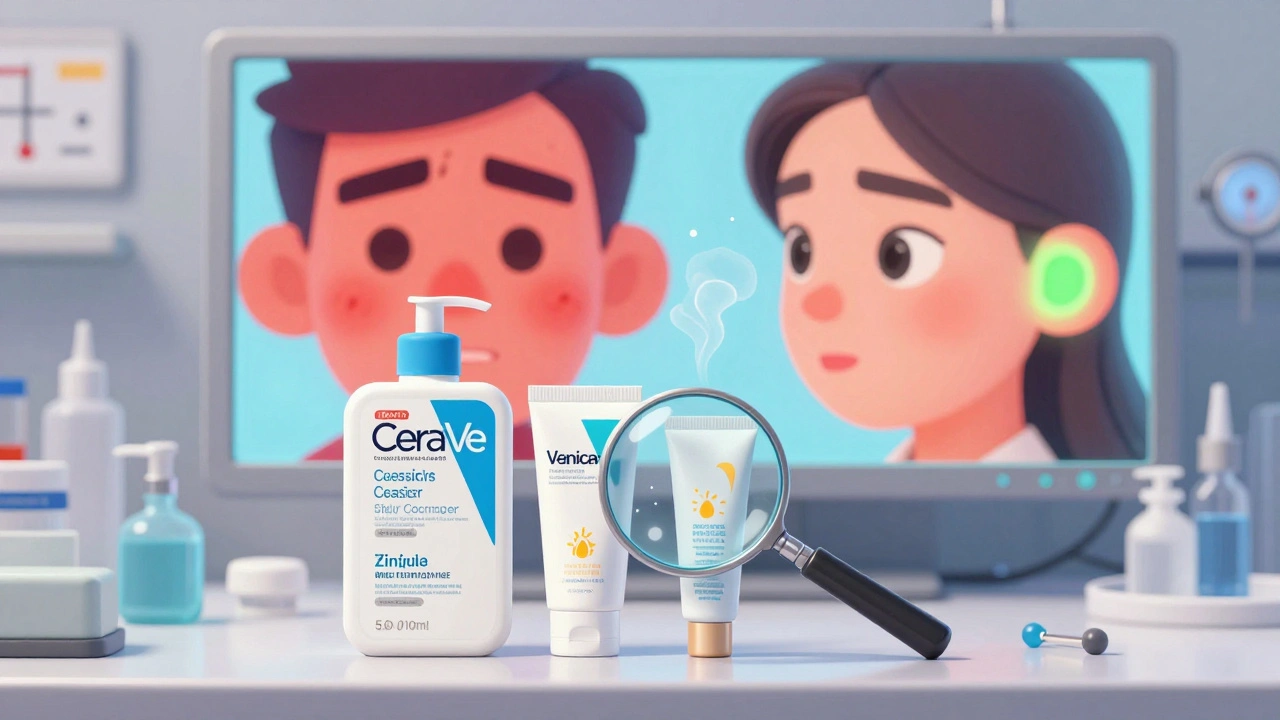
You don’t need 10 products. You don’t need serums, toners, or exfoliants right away. Start simple. Dermatologists agree: the most effective routine for sensitive skin has just three steps.- Cleanse with a fragrance-free, non-foaming formula-like CeraVe Hydrating Cleanser or SVR SENSIFINE Cleansing Balm. These use gentle surfactants that remove dirt without stripping your skin. Avoid soaps. They’re too alkaline and break down your barrier.
- Moisturize within 30 seconds of washing-while your skin is still damp. Look for ceramides (0.5-3%), glycerin (3-10%), and hyaluronic acid (0.5-2%). Vanicream Moisturizing Cream and CeraVe Moisturizing Lotion are top choices. These ingredients rebuild your barrier, not just mask dryness.
- Apply mineral sunscreen every morning-zinc oxide or titanium dioxide, SPF 30 or higher. Chemical sunscreens often contain fragrances and preservatives that irritate. Mineral sunscreens sit on top of the skin and reflect UV rays without triggering reactions.
How to Patch Test Like a Dermatologist
Never apply a new product all over your face right away. Even if it says "hypoallergenic" or "dermatologist-tested." Here’s how to test safely:- Wash a small area behind your ear with water and pat dry.
- Apply a pea-sized amount of the product to that spot.
- Leave it on for 72 hours. Don’t wash it off.
- Check daily for redness, itching, swelling, or flaking.
What to Look for in Ingredients (Beyond Fragrance-Free)
Fragrance-free is just the start. The best products for sensitive skin also have:- Low ingredient count-15 or fewer ingredients. Fewer ingredients = fewer chances for irritation.
- Optimal pH (4.5-5.5)-your skin’s natural acid mantle. Products outside this range disrupt your barrier.
- Ceramides-these lipids make up 50% of your skin’s barrier. Replenishing them is key.
- No alcohol, menthol, or witch hazel-these are drying and irritating, even if they feel "refreshing."
- Non-comedogenic-tested not to clog pores, even for acne-prone sensitive skin.
Real Results: What Users Actually Experience
Reddit’s r/SkincareAddiction community has over 1.2 million members. A recent poll showed that 78% of users with sensitive skin saw major improvement within 4-6 weeks of switching to fragrance-free products. The top benefits reported:- 83%: Less redness
- 76%: Less reaction to weather or stress
- 62%: No more tightness after cleansing
- 47%: Measurable increase in hydration
Why This Matters Beyond Sensitive Skin
You don’t need a diagnosis of eczema or rosacea to benefit. The National Eczema Association has certified over 1,200 fragrance-free products as safe for sensitive skin. And they’re not just for people with conditions. A 2023 McKinsey report found that 73% of consumers now actively seek "clean" fragrance alternatives-even if they don’t have diagnosed skin issues. Why? Because people are realizing: if your skin reacts to something, it’s probably not just in your head. It’s chemistry. Fragrance-free isn’t a trend. It’s a return to basics. It’s about trusting your skin’s needs over marketing claims.
Where to Find Reliable Products
Not every brand is honest. Use these trusted resources:- National Eczema Association’s Product Certification-look for their seal. They test for fragrance, dyes, and harsh preservatives.
- Dermstore’s Fragrance-Free Verified Program-products are independently lab-tested for zero fragrance compounds.
- Cleure’s Ingredient Verification Program-they publish full lab results online.
- CeraVe (Hydrating Cleanser, Moisturizing Lotion)
- Vanicream (Moisturizing Cream)
- SVR (SENSIFINE Cleansing Balm)
- Cleure (all products)
- La Roche-Posay Toleriane (fragrance-free line)
What’s Coming Next
The fragrance-free market is growing fast-$3.8 billion in 2023, projected to hit $6.1 billion by 2026. Why? Because awareness is rising. California is considering the Fragrance Ingredient Transparency Act, which would require full disclosure of every fragrance component. The EU already requires 26 allergens to be listed. The U.S. FDA is pushing for similar rules under the proposed CARES Act. In the meantime, you have the power to protect your skin. You don’t need expensive treatments or prescription creams. You just need to stop adding irritants.Frequently Asked Questions
Can I still use essential oils if I have sensitive skin?
No. Essential oils like lavender, peppermint, and citrus are common triggers for sensitive skin-even if they’re "natural." Dr. David J. Leffell from Yale found that 22% of sensitive skin patients react to essential oils. Fragrance-free means no added scents, period.
Is fragrance-free skincare more expensive?
Yes, on average. Fragrance-free products cost about $28.50 compared to $22.75 for scented ones. But you’re paying for fewer irritants, not just fewer ingredients. Many people find they save money long-term by avoiding flare-ups, dermatologist visits, and steroid creams.
Do I need to stop using all my current products at once?
No. Start by replacing your cleanser and moisturizer. Wait 2-3 weeks. Then swap in sunscreen. Introduce one new product at a time. This helps you identify what’s causing reactions. Most successful users take 4-6 weeks to fully transition.
Why does my skin feel tight after using a fragrance-free cleanser?
That’s a sign the cleanser is too harsh or alkaline. Look for a non-foaming, cream-based cleanser with ceramides and glycerin. Foaming cleansers often contain sulfates that strip your skin. Try CeraVe Hydrating Cleanser or SVR SENSIFINE Cleansing Balm-they remove makeup and dirt without drying.
Can I use fragrance-free products if I don’t have sensitive skin?
Absolutely. Fragrance-free products are gentler, less likely to cause irritation, and often contain better barrier-repairing ingredients. Even if your skin doesn’t react now, avoiding unnecessary irritants helps maintain long-term skin health. Many people switch for prevention, not just treatment.
Michael Dioso
December 6, 2025 AT 00:02Look, I get it - fragrance is bad. But let’s not turn this into a witch hunt. I’ve used lavender oil for years and my skin’s never flared up. Maybe it’s not the fragrance, maybe it’s the carrier oil or the pH. Stop blaming everything on ‘parfum’ like it’s the devil’s perfume.
Mellissa Landrum
December 7, 2025 AT 08:56EVERYTHING IS A LIE. The FDA lets them hide chemicals under ‘fragrance’ because they’re in bed with Big Skincare. They don’t want you to know essential oils are just the gateway drug. Next thing you know, they’ll add ‘natural’ fluoride to your moisturizer. Patch test? Nah. Just burn it all and start over with distilled water and a cotton towel.
Mark Curry
December 8, 2025 AT 13:10hmm. i think the real issue is we’ve been taught to think skin needs ‘something’ to work. but maybe it just needs to be left alone. no scent, no fuss, no ‘miracle’ ingredients. just peace. and ceramides. and water. maybe that’s enough.
an mo
December 9, 2025 AT 01:20Let’s normalize the data: 38% of allergic dermatitis cases trace to fragrance? That’s statistically significant at p<0.01. But the real metric is barrier recovery rate post-exposure - which is 62% lower in fragranced products vs. fragrance-free. The ROI on switching? 3.4x reduction in dermatologist visits. This isn’t anecdotal. It’s epidemiological.
aditya dixit
December 9, 2025 AT 10:56Simple truth: your skin doesn’t care about marketing. It only cares about what touches it. If it stings, it’s wrong. No need for 10-step routines. Just cleanse, moisturize, protect. And don’t trust labels. Trust your skin. It’s been talking to you all along.
Jimmy Jude
December 10, 2025 AT 20:00THEY KNOW. They know we’re sensitive. That’s why they made the ‘fragrance-free’ aisle - to make us feel safe while they sneak in phthalates under ‘natural extracts.’ I saw a lab report once. One ‘gentle’ brand had 14 different fragrance aliases. It’s not skincare. It’s psychological warfare.
ashlie perry
December 12, 2025 AT 11:58fragrance free my ass. i tried 3 brands and all had citrus oil in the fine print. theyre all lying. dont trust anyone. not even your mom. just use vaseline and cry quietly.
Juliet Morgan
December 13, 2025 AT 12:14i used to cry every time i washed my face. then i switched to cerave and just… stopped. it doesn’t smell like anything. but it feels like my skin is finally breathing. no drama. no hype. just quiet healing. you deserve that too.
Stephanie Fiero
December 14, 2025 AT 16:54you people are so naive. if you think ‘fragrance-free’ means safe, you haven’t read the ingredient lists. glycerin? can be corn-derived and GMO. ceramides? often synthetic and petroleum-based. and don’t even get me started on ‘mineral’ sunscreen - zinc oxide is a heavy metal. you’re just swapping one poison for another.
Jennifer Patrician
December 15, 2025 AT 05:37they’re selling you fear. fragrance is the scapegoat. the real issue? preservatives. parabens. sulfates. they put ‘fragrance-free’ on the label so you feel smart while you’re still getting screwed. wake up. the system is rigged.
Lynette Myles
December 15, 2025 AT 08:23Essential oils are not safe. Period.
Rupa DasGupta
December 15, 2025 AT 22:24after 3 years of red, burning skin, i finally found my holy grail: a $12 cream from a tiny brand in bangalore. no name, no ads, no ‘clinical’ nonsense. just oil, beeswax, and silence. my skin wept. i wept. now i cry every time i see a product with ‘lavender’ in the title. 🥲
Marvin Gordon
December 17, 2025 AT 16:28you don’t need to overhaul your whole life. just pick one product. swap it. wait two weeks. notice the difference. then swap another. small steps. no guilt. no perfection. just progress. you’re doing better than you think.
Deborah Jacobs
December 18, 2025 AT 14:55it’s like when you finally stop wearing perfume and realize you didn’t miss it at all - but now you notice the rain, the coffee, the way your dog smells after a nap. skin’s the same. strip away the noise, and you start to feel what’s really there. quiet. clean. alive.
Lucy Kavanagh
December 20, 2025 AT 00:24wait… so you’re telling me the FDA lets companies hide 200 chemicals behind one word? and you’re not outraged? this is why I don’t trust anything made in the US. I switched to French pharmacy brands. They list every molecule. Even the ones that smell like burnt toast. At least I know what I’m putting on my face.