How to Store Medications to Extend Their Shelf Life Safely
 Jan, 20 2026
Most people throw away expired medications without a second thought. But what if those pills, capsules, or liquids are still safe and effective-long after the date on the bottle? The truth is, medication storage matters far more than most realize. A drug doesn’t suddenly turn toxic the day after its expiration date. In fact, under the right conditions, many medications can remain stable for years beyond that label.
Why Expiration Dates Aren’t the Whole Story
Expiration dates aren’t magic kill switches. They’re manufacturer estimates based on accelerated testing. The U.S. Food and Drug Administration (FDA) and the Department of Defense launched the Shelf-Life Extension Program (SLEP) in 1986 to test actual drug stability in federal stockpiles. Their findings? Of more than 3,000 lots tested across 122 drugs, 88% were still safe and effective past their labeled expiration dates. Some stayed potent for over five years longer.Take naloxone, used to reverse opioid overdoses. Every single tested lot remained stable for 4-5 years past expiration. Fentanyl and halothane showed the same results. Even Tamiflu, stockpiled during pandemic threats, was cleared for use up to ten years past its printed date under strict storage conditions.
But here’s the catch: this doesn’t mean you should keep every pill in your cabinet for a decade. The SLEP program tested drugs stored in climate-controlled, sealed environments-far from the humid bathroom cabinet or hot car trunk most people use. What works for a government stockpile doesn’t automatically apply to your medicine drawer.
What Storage Conditions Actually Matter
The biggest factor in extending shelf life? Temperature and humidity. Most solid oral medications-pills and capsules-are designed to last under two standard conditions: 25°C (77°F) with 60% relative humidity, or 5°C (41°F) with ambient humidity. That’s why your medicine cabinet is often the worst place to store drugs.Heat and moisture break down active ingredients. A study by Bioprocess International showed that three different oral medications extended their shelf life from 18 to 24 months simply by being kept at stable room temperature instead of fluctuating highs. That’s a 33% boost in usable life-just by moving them from above the sink to a cool, dry closet.
Some drugs need cold. Insulin, certain vaccines, and biologics must be refrigerated between 2°C and 8°C. Freeze them, though, and they’re ruined. Liquid antibiotics, eye drops, and reconstituted suspensions are especially sensitive. Once opened, they often degrade within weeks, even if refrigerated. Tetracycline, for example, can break down into toxic compounds if stored improperly.
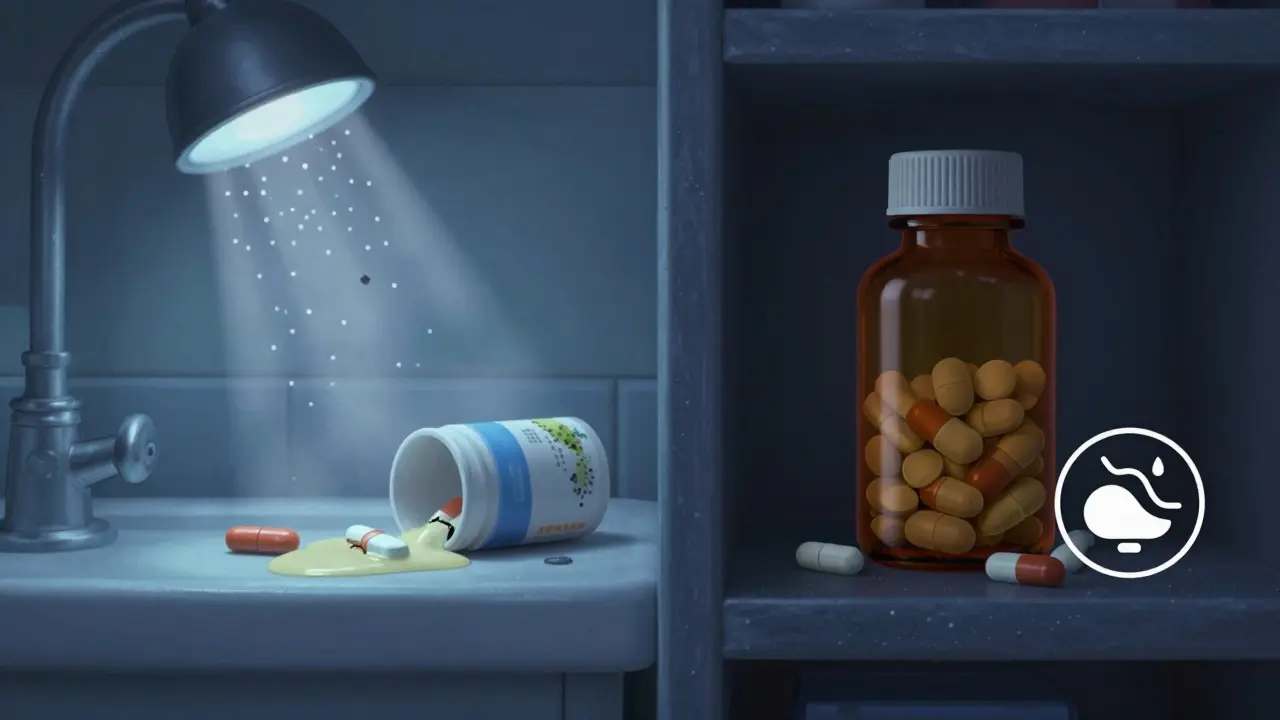
Light matters too. Medications like nitroglycerin or certain seizure drugs degrade quickly under UV light. That’s why they come in amber bottles. Keep them in their original containers. Don’t transfer pills to pill organizers unless you’re using them within a week or two.
Which Medications Can Last Longer-and Which Can’t
Not all drugs behave the same. Here’s what the data shows:- Safe to keep longer (if stored properly): Acetaminophen, ibuprofen, amoxicillin capsules, aspirin, antihistamines, thyroid medications, blood pressure pills. These are solid oral forms with stable chemistry.
- Use by expiration date: Liquid antibiotics, insulin, eye drops, injectables, nitroglycerin, epinephrine auto-injectors, compounded medications. These degrade faster and carry higher risks if they fail.
- Never use past expiration: Tetracycline antibiotics, nitroglycerin (even if unopened), and any medication that looks discolored, smells strange, or has changed texture.
Why the difference? Solid tablets are sealed and less reactive. Liquids, suspensions, and injectables have water, which encourages microbial growth and chemical breakdown. Even a tiny amount of moisture in a bottle can trigger degradation over time.
Advanced Storage Tech (And Why You Won’t Use It)
The pharmaceutical industry uses high-tech methods to extend shelf life-like Modified Atmosphere Packaging (MAP), which replaces air inside blister packs with nitrogen to slow oxidation. Some companies use High-Pressure Processing (HPP) or ozone treatments to kill microbes without heat. Intelligent packaging with time-temperature indicators is being tested to show real-time exposure history.But none of this is available to consumers. These are industrial processes used by manufacturers and government stockpiles. You can’t buy a nitrogen-sealed pill bottle at the pharmacy. So while these technologies help reduce waste in hospitals and emergency reserves, your best tool is still simple: control what you can.
What You Can Actually Do Right Now
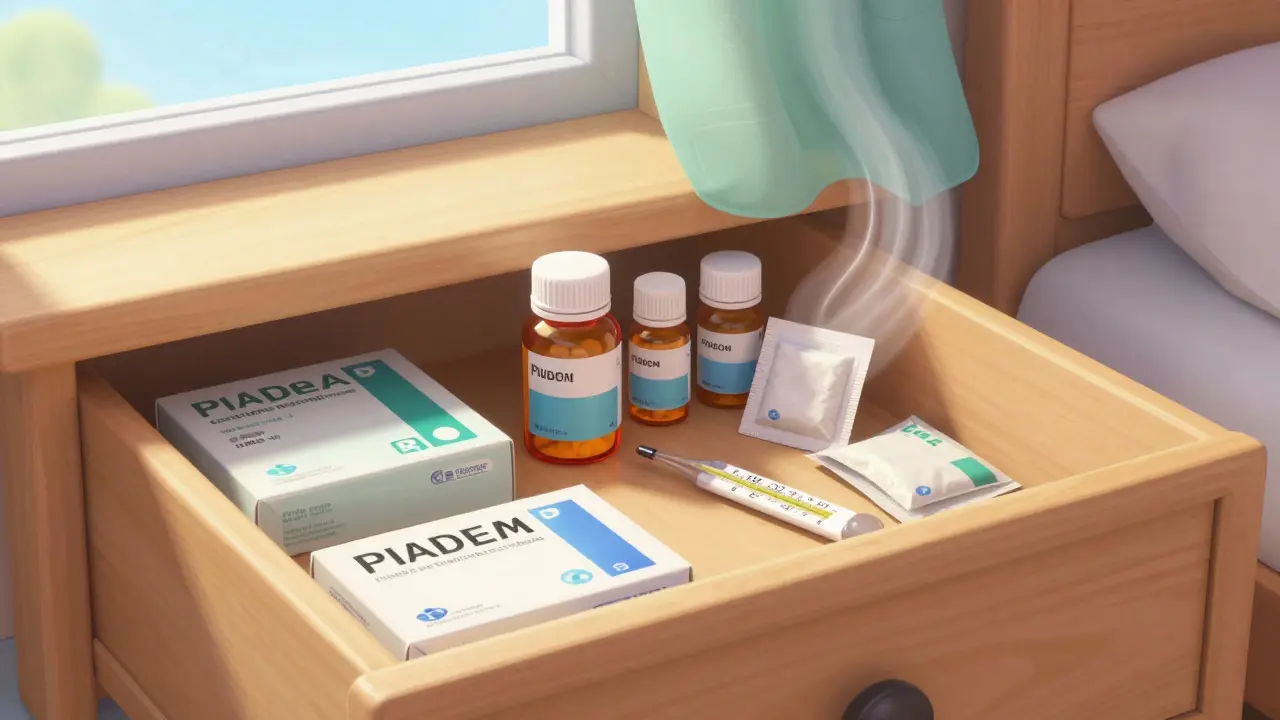
You don’t need fancy gear to store medications safely. Here’s your practical checklist:- Keep them cool and dry. A bedroom drawer or kitchen cabinet away from the stove or sink is better than the bathroom.
- Don’t transfer pills. Leave them in the original bottle with the label and desiccant packet intact.
- Use airtight containers. If you must use a pill organizer, only fill it for a week at a time and store the rest in the original bottle.
- Check for changes. If a pill is cracked, discolored, smells odd, or is sticky, throw it out.
- Refrigerate only if required. If the label says “store in refrigerator,” do it. Otherwise, don’t-condensation can ruin pills.
- Keep out of reach. Especially for children and pets. A locked box is better than a drawer.
Don’t rely on the expiration date as a hard cutoff. Use it as a warning to check the condition. If the medication looks good, smells normal, and was stored properly, it’s likely still effective-even if it’s six months past the date.
What Happens If You Take an Expired Drug?
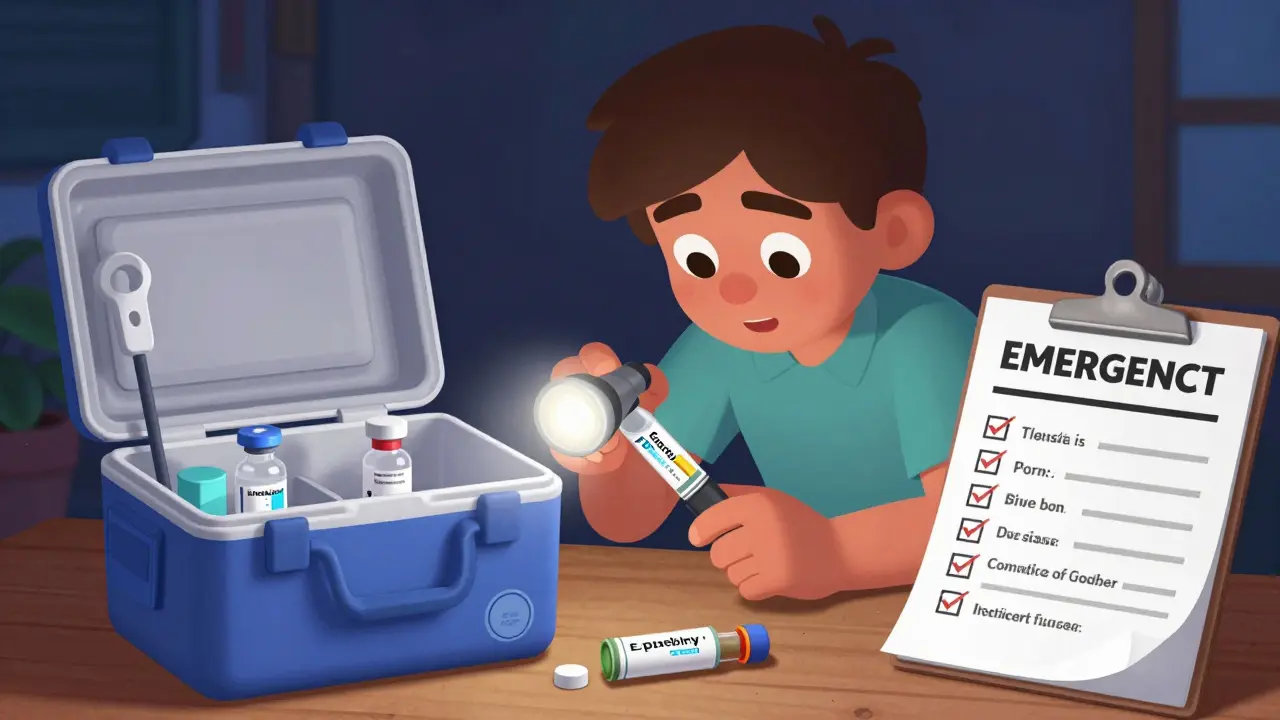
Most expired medications won’t hurt you. They just might not work as well. A study from the FDA found that potency declines slowly over time-often by less than 10% after a year past expiration. That means your 500mg ibuprofen might be 450mg after two years. Still enough to relieve pain, just slightly less potent.The real danger isn’t toxicity. It’s failure. If you take expired epinephrine during an allergic reaction and it’s lost potency, you could die. Same with antibiotics-if they’re weakened, they won’t kill the infection, and that can lead to resistant bacteria.
So don’t panic over a bottle of expired aspirin. But don’t gamble with life-saving drugs.
What About Emergency Situations?
During disasters-floods, power outages, pandemics-medication shortages happen. That’s why the FDA has granted emergency extensions for stockpiled drugs like doxycycline and Tamiflu. In a true crisis, using a slightly expired drug is better than using nothing.But that’s a last-resort decision. Don’t wait for a disaster to decide. Store your essential meds properly now. If you rely on insulin, epinephrine, or heart medication, replace them on schedule. For everything else, store wisely and inspect before use.
Final Thought: Waste vs. Risk
Pharmaceutical waste is a massive problem. The U.S. spends billions each year replacing expired drugs in hospitals, clinics, and homes. The SLEP program alone has saved over $2.1 billion since 1986 by extending the life of stockpiled medications.But safety comes first. You can’t eliminate risk entirely. The goal isn’t to stretch every pill to its theoretical limit. It’s to avoid unnecessary waste by storing correctly-and to know when to trust your eyes and when to throw something away.
Medications aren’t like milk. They don’t spoil overnight. But they’re not indestructible either. Treat them with care. Store them right. And when in doubt? When in doubt, get a new one.
Can I still use medication after its expiration date?
Yes, many medications remain safe and effective past their expiration date-especially solid oral forms like pills and capsules-if they’ve been stored properly in a cool, dry place. The FDA’s Shelf-Life Extension Program found that 88% of tested drugs retained potency for years beyond their labeled date. But this doesn’t apply to liquids, injectables, or temperature-sensitive drugs like insulin or epinephrine.
Where is the best place to store medications at home?
Avoid the bathroom or kitchen near heat sources. The best place is a cool, dry, dark cabinet-like in a bedroom drawer. Keep medications in their original containers with the desiccant packet inside. Never store them in a car, near a window, or in a humid area. Refrigeration is only needed if the label specifically says so.
Which medications are dangerous to use after expiration?
Never use expired tetracycline antibiotics-they can degrade into toxic compounds. Also avoid expired insulin, epinephrine auto-injectors, nitroglycerin, eye drops, liquid antibiotics, and any injectable or compounded medication. These lose potency quickly or become unsafe. If a pill is discolored, cracked, or smells strange, discard it.
Does refrigerating medication extend its shelf life?
Only if the manufacturer requires it. For most pills and capsules, refrigeration adds no benefit and can cause condensation, which damages the drug. But for insulin, certain vaccines, and liquid antibiotics, refrigeration is essential to maintain potency. Always follow the storage instructions on the label.
What should I do with expired medications?
Don’t flush them or throw them in the trash where children or pets can access them. Use a drug take-back program if available-many pharmacies and hospitals offer them. If none are nearby, mix pills with an unappealing substance like coffee grounds or cat litter, seal them in a container, and throw them in the household trash. Remove personal information from the bottle first.
lokesh prasanth
January 22, 2026 AT 09:58Medications dont just expire like milk bro. The date is a legal shield for pharma, not science. I kept my dad's blood pressure pills 4 years past expiry-still worked fine. Store em dry, dont be a dumbass.
michelle Brownsea
January 23, 2026 AT 13:24Oh, so now we're trusting pharmaceutical expiration dates like they're divine commandments? How quaint. The FDA's own Shelf-Life Extension Program-funded by taxpayers, mind you-found that 88% of drugs remain potent YEARS beyond their labels. Yet we still toss perfectly good medicine into landfills like it's radioactive waste? This isn't just wasteful-it's morally indefensible. We're burning billions while people go without because we're terrified of a date printed by a corporation that profits from our ignorance. And don't even get me started on the environmental toll of incinerating pills! We need systemic change, not just 'store it in a drawer' advice. This isn't about convenience-it's about justice.
MARILYN ONEILL
January 25, 2026 AT 05:08OMG I just realized I've been keeping my insulin in the bathroom since 2021?? I'm gonna die. I'm literally gonna die because I'm a dumb person who trusts the cabinet above the toilet. I'm crying. I'm so stupid. I'm so sorry, world.
Sangeeta Isaac
January 26, 2026 AT 12:42so i put my ibuprofen in the fridge because i read somewhere it 'lasts longer'... turns out that was a tiktok myth?? 🤦♀️ my bad. now i know to just leave em in the bedroom drawer like a normal human. also, why does everyone act like expired aspirin is gonna turn into poison? it's not milk. it's a pill. chill.
Steve Hesketh
January 27, 2026 AT 02:35Let me tell you something-my grandma in Nigeria used to keep her blood pressure meds in a clay pot under the bed. No fridge. No fancy packaging. Just dry, dark, and cool. She lived to 92. We forget: humans have been storing medicine for thousands of years without FDA labels. The real enemy isn't the expired pill-it's the fear that makes us throw away life-saving drugs because we were told to. Don't panic. Observe. Trust your eyes. If it looks right, smells right, and you stored it right-it probably still works. And if it doesn't? You'll know fast. But don't waste. Don't fear. Just be wise.
Malvina Tomja
January 27, 2026 AT 19:19Let’s be real: if you’re storing your epinephrine in a drawer next to your socks, you deserve what you get. The fact that people treat life-saving meds like expired yogurt is why hospitals are drowning in liability lawsuits. You don’t get to be casual about chemistry. Tetracycline turns toxic. Insulin denatures. Nitroglycerin loses potency. These aren’t suggestions-they’re biological laws. Stop romanticizing ‘old pills’ and start respecting pharmacology. Your life isn’t a TikTok hack.
Yuri Hyuga
January 29, 2026 AT 13:27You know what’s beautiful? 🌱 When science meets common sense. The FDA’s data proves that most pills don’t just ‘expire’-they fade gently. Like wine. Like cheese. Like wisdom. But here’s the twist: we’re so obsessed with labels that we forget to use our senses. Look. Smell. Feel. If it’s cracked, discolored, or smells like wet socks? Toss it. Otherwise? It’s probably still doing its job. And hey-if you’re saving money by storing your aspirin right? That’s not being cheap. That’s being smart. 🙌 Let’s stop fear-mongering and start empowering people with facts-not panic. You got this. 💪
Alex Carletti Gouvea
January 30, 2026 AT 19:27Why are we even talking about this? In America, we have the best pharmacies, the best science, the best regulations. If your meds are expired, you’re either broke or lazy. Just buy new ones. Stop trying to stretch every pill like you're in a third-world country. We don’t need your ‘clay pot’ stories. We have refrigerators. We have insurance. We have Walgreens. Use them. Don’t gamble with your health because you want to save five bucks.
Philip Williams
February 1, 2026 AT 18:07Thank you for this comprehensive breakdown. I appreciate the distinction between solid oral medications and liquid formulations. The data from the SLEP program is compelling and underutilized in public health messaging. I’ve shared this with my patients who express anxiety about discarding medications. The emphasis on visual and olfactory inspection as a practical heuristic is particularly valuable. I will be incorporating this into my clinical guidance moving forward. A well-researched, nuanced, and necessary contribution to patient education.