How to Prevent Early Refills and Duplicate Therapy Mistakes
 Apr, 15 2026
The Danger of the "Five-Day Window"
Many insurance plans allow a 30-day supply to be filled about five days early. While this is meant to prevent patients from running out of meds over a weekend, it creates a psychological loophole. Patients start believing they are *allowed* to use their medication faster than prescribed. If someone consistently hits that five-day window, they aren't just being proactive-they're potentially misusing the drug or experiencing a failure in adherence. For high-risk medications, like those regulated by the Drug Enforcement Administration (DEA), this window is a liability. Schedule II substances generally cannot be refilled without a new prescription, yet some patients try to circumvent this by using multiple pharmacies-a practice known as "pharmacy shopping." This is why a simple date check isn't enough; you need a full profile review.Building a Tiered Refill Protocol
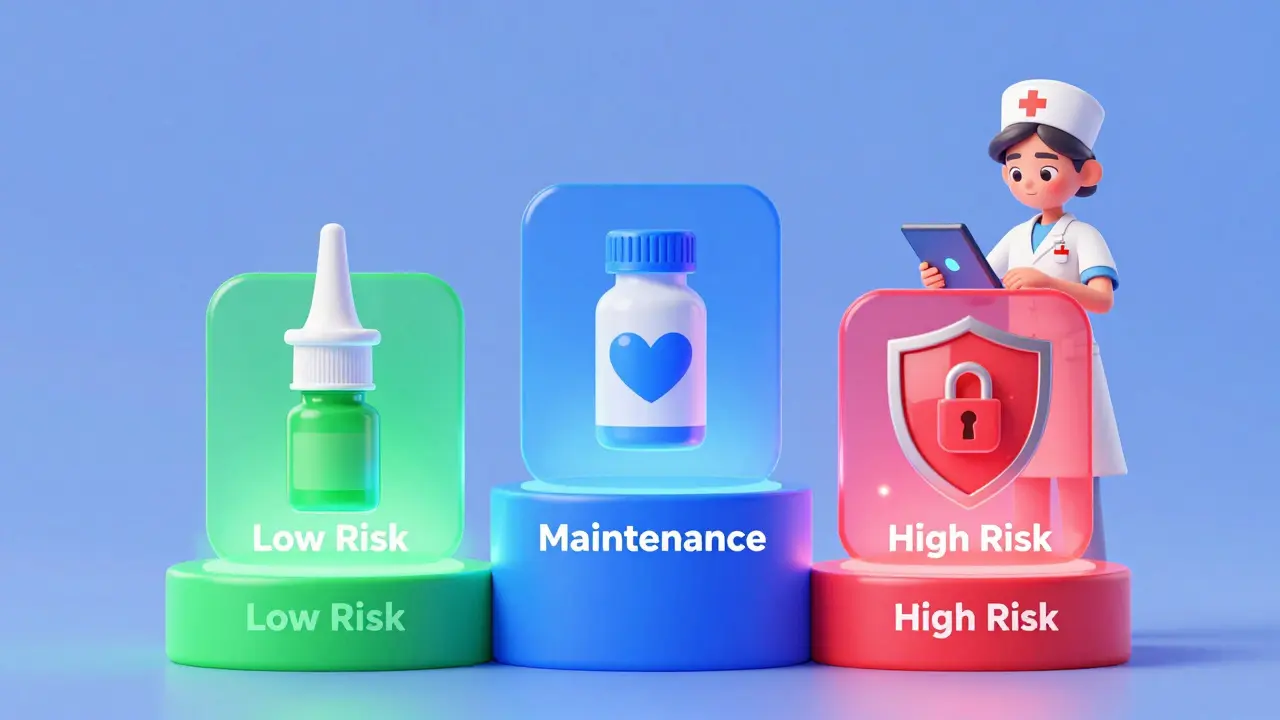
Not all medications carry the same risk. Treating a nasal steroid refill with the same scrutiny as an opioid is a waste of clinical resources and leads to provider burnout. Instead, implement a three-tiered system to categorize risk:- Low-Risk Protocols: For medications with minimal side effects or low abuse potential (e.g., nasal steroids). These can be approved rapidly by administrative staff using a standardized worksheet.
- Maintenance Protocols: For chronic conditions like hypertension or diabetes. These can be refilled for up to three months if the patient has had a clinical visit within the last 90 days.
- High-Risk/Controlled Protocols: For medications requiring strict monitoring. These should have a "hard stop"-for example, allowing a refill only two days early, and only with direct provider approval and a documented legitimate reason.
Spotting Duplicate Therapy and "Pharmacy Shopping"
Duplicate therapy happens when a patient takes two medications from the same class, often because they've seen two different doctors who didn't communicate. For example, a patient might be taking a beta-blocker prescribed by their cardiologist and another one prescribed by their primary care physician for anxiety. To catch this, pharmacists must move beyond the current prescription and look at the Patient Profile. A key tool here is the use of a Clinical Viewer. These tools allow pharmacists to see prescriptions filled at other pharmacies if they were processed through publicly funded drug programs. If you see a gap in the time a patient accessed your pharmacy, but their insurance shows the drug was filled elsewhere, you've found a duplicate therapy risk.| Strategy | Target Medication | Approval Authority | Key Risk Mitigated |
|---|---|---|---|
| Automated Protocol | Low-Risk (Steroids, etc.) | Medical Assistant/Nurse | Workflow Bottlenecks |
| Clinical Review | Maintenance (BP, Diabetes) | Provider (conditional) | Medication Non-adherence |
| Strict Oversight | Controlled Substances | Provider (absolute) | Drug Diversion/Abuse |
Leveraging EHR for Better Control
Your Electronic Health Record (EHR) should be more than a digital filing cabinet; it should be a defensive tool. When a patient picks up a medication early, don't just fill it and forget it. Add a specific note to the chart: "Prescription picked up early this month." This creates a digital breadcrumb trail that the next person to handle the refill will see. Furthermore, when a medication is discontinued or switched to a new therapy, use the phrase "cancel all prior" in the EHR. This stops the system from sending automatic refill reminders to the patient and the pharmacy, which is a common source of duplicate therapy errors. If a patient is switched from Drug A to Drug B, but Drug A's automatic refills are still active, the patient might end up taking both.Handling the "Difficult" Refill Request
Patients often use specific tactics to pressure pharmacy staff into granting early refills. You might hear: "The doctor wrote the script, so I'm supposed to get it," or "I'll just pay cash so insurance isn't an issue." Paying cash doesn't remove the clinical risk; it only removes the insurance barrier. When these situations arise, the response should be grounded in safety, not policy. Instead of saying "It's against our rules," try "For your safety, we need to ensure you aren't taking too much of this medication too quickly. I'll need to contact your provider to confirm this change in dosing." This shifts the conversation from a bureaucratic hurdle to a care-based intervention.
The Role of Patient Adherence
Interestingly, early refills aren't always about abuse. Sometimes they are a symptom of Medication Non-adherence. A patient might ask for a refill early because they lost their bottle, or they might be taking the medication incorrectly. The CDC emphasizes that tailored pharmacy-based interventions can improve adherence, especially for cardiovascular diseases. A simple check-in-"I noticed you're running through this medication faster than expected; are you having trouble with the dosing?"-can uncover a misunderstanding that could lead to a medical emergency. If a patient is consistently early, it's time for a medication therapy management (MTM) review to see if the therapy is actually working or if the patient is struggling with the regimen.Why are early refills considered a safety risk?
Early refills can indicate medication misuse, drug diversion, or a lack of adherence. In the case of controlled substances, filling too early increases the risk of overdose or addiction. For other medications, it may suggest the patient is taking more than the prescribed dose, which can lead to toxicity or adverse drug reactions.
What is the difference between an early refill and duplicate therapy?
An early refill occurs when a patient requests a new supply of the same medication before the previous supply should have run out. Duplicate therapy occurs when a patient is prescribed two or more medications that serve the same therapeutic purpose (same drug class), often by different providers, leading to an unintentional overdose or increased side effects.
How can a pharmacy identify if a patient is using multiple pharmacies?
Pharmacists can use Clinical Viewers or state-run Prescription Monitoring Programs (PMPs) to see a patient's full dispensing history. If there are gaps in the dates the patient visited a specific pharmacy, but the insurance claims show medication was dispensed elsewhere, it is a strong indicator of pharmacy shopping.
Can nurses handle refill requests, or must they always go to the doctor?
Nurses and medical assistants can handle refills if the practice has established evidence-based protocols. Low-risk and maintenance medications can be approved by staff if the patient meets specific criteria (like a recent office visit), while high-risk medications always require a provider's direct signature.
What should I do if a patient offers to pay cash to get an early refill?
Paying cash bypasses insurance restrictions, but it does not bypass clinical safety guidelines. Pharmacists should still verify the appropriateness of the early refill with the prescribing provider, especially for controlled substances, to ensure the patient is not misusing the medication.