Diabetes Medications Safety Guide: Managing Insulin and Oral Agents
 Apr, 12 2026
Taking medication for diabetes isn't just about lowering your numbers; it's about doing it without putting your health at risk. Whether you're using a daily pill or a precise dose of insulin, every drug comes with a trade-off. For some, the biggest fear is a sudden blood sugar crash; for others, it's long-term kidney strain or unexpected infections. The goal is to find a balance where your glucose stays stable, but you aren't dealing with dangerous side effects.
Key Safety Takeaways
- Hypoglycemia is the most immediate risk with insulin and sulfonylureas.
- Metformin is generally safe but requires kidney function checks (eGFR).
- SGLT2 inhibitors can cause yeast infections and a rare but serious condition called DKA.
- GLP-1 agents often cause nausea, especially when first starting the medication.
- Injection technique and site rotation are vital to prevent insulin absorption issues.
The Danger Zone: Understanding Hypoglycemia
The most critical safety concern across almost all diabetes treatments is Hypoglycemia is a condition where blood glucose levels drop too low, potentially causing shakiness, confusion, or loss of consciousness . Not all medications carry the same risk. If you're taking Sulfonylureas (like glipizide or glimepiride), you're in a higher-risk group. Data shows that 20% to 40% of people on these drugs experience low blood sugar. Even more worrying, about 1% to 7% of these patients have severe episodes that require someone else to step in and help them.
Insulin users face similar risks, particularly those using concentrated versions like Humulin R U-500. Because these are much stronger than standard insulin, a tiny mistake in dosing can lead to a dangerous crash. For older adults, this is even more precarious. Dizziness and lightheadedness from a glucose drop can easily lead to falls, resulting in fractures or head injuries. Many seniors also suffer from "hypoglycemia unawareness," meaning they don't feel the warning signs until it's too late.
Oral Agents: From Metformin to Newer Tech
Most people starting treatment for type 2 diabetes begin with Metformin, which is a biguanide medication that lowers glucose production in the liver and improves insulin sensitivity . From a safety standpoint, it's a favorite because it rarely causes hypoglycemia. However, it has a serious relationship with your kidneys. Doctors use the eGFR (estimated Glomerular Filtration Rate) to decide if it's safe. If your eGFR is below 30 mL/min/1.73m², Metformin is generally off the table because of the risk of lactic acidosis, a rare but life-threatening buildup of acid in the bloodstream.
Then we have the newer classes. SGLT2 Inhibitors (like Jardiance or Farxiga) work by flushing sugar out through your urine. While they're great for heart and kidney protection, they come with a catch. They increase the risk of genital yeast infections in about 4% to 5% of users. More seriously, they can trigger Diabetic Ketoacidosis (DKA), even when your blood sugar levels look normal. This is why the AACE recommends stopping these drugs at least 24 hours before an elective surgery.
If you've tried GLP-1 Receptor Agonists (like Ozempic or Mounjaro), you've probably noticed the "stomach issues." Nausea and vomiting hit 30% to 50% of users, usually when they first start or increase their dose. While annoying, these are generally considered manageable compared to the risks of severe lows.
| Medication Class | Hypoglycemia Risk | Primary Safety Concern | Key Monitoring Metric |
|---|---|---|---|
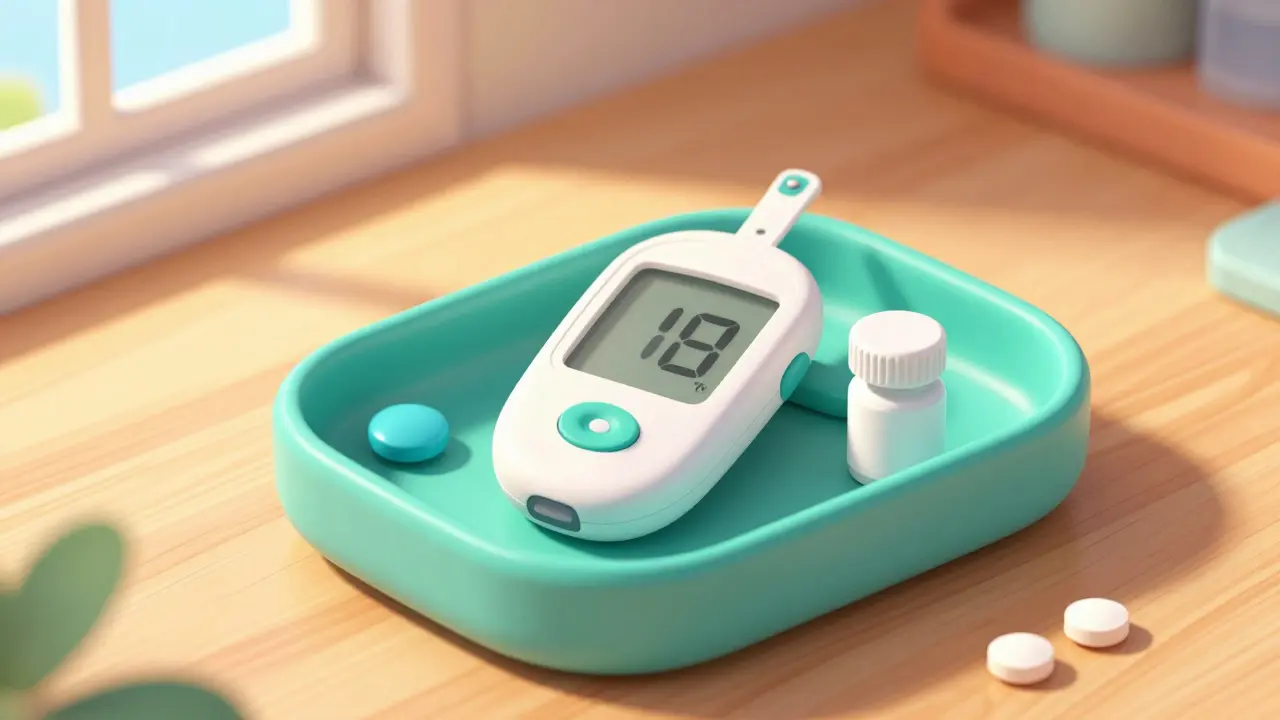
| Insulin | High | Severe lows / Dosing errors | Blood Glucose / CGM |
| Sulfonylureas | High | Nocturnal hypoglycemia | Blood Glucose |
| Metformin | Low | Lactic Acidosis | eGFR (Kidney Function) |
| SGLT2 Inhibitors | Low | DKA / Yeast Infections | Hydration / Ketones |
| GLP-1 Agonists | Low | Gastrointestinal distress | Tolerance/Dose escalation |
Insulin Safety: Beyond the Dose
When it comes to insulin, safety isn't just about the number of units you inject. Where and how you inject matters. If you always hit the same spot, you develop lipohypertrophy-lumps of fat under the skin that make insulin absorption unpredictable. This can lead to a cycle of "unexplained" high blood sugars followed by a sudden, delayed crash.
Rotating your injection sites (abdomen, thighs, upper arms) is a non-negotiable safety rule. Also, avoid injecting into a muscle; insulin is meant for the subcutaneous fat. If it hits the muscle, it absorbs way too fast, spiking your risk of a sudden low. For those struggling with manual dosing, Automated Insulin Delivery (AID) systems are a game-changer. These "closed-loop" systems use algorithms to adjust insulin in real-time, significantly reducing the time spent in the danger zone of hypoglycemia.
Hidden Risks: Drug Interactions and Diet
Your diabetes meds don't exist in a vacuum. They interact with other things you put in your body. For instance, some common antibiotics, like sulfamethoxazole/trimethoprim, can actually boost the effect of your insulin or sulfonylureas, potentially triggering a crash. If you start a new medication, always ask if it will affect your glucose levels.
Diet also plays a role in safety, especially with SGLT2 inhibitors. People on very low-carb or ketogenic diets are at a much higher risk of developing euglycemic DKA. This is a scary scenario because your blood sugar might look totally fine, but your blood is becoming acidic. Staying hydrated and avoiding extreme carb restriction while on these specific drugs is a critical safety measure.
Personal Safety Protocol for Patients
Managing these risks requires more than just following a prescription. You need a system. Start by keeping a detailed log that includes not just your readings, but your timing and any weird symptoms you notice. This makes it easier for your doctor to spot a pattern, like asymptomatic nocturnal hypoglycemia, where your sugar drops while you sleep without you noticing.
For those over 65, the approach should be "start low and go slow." Aiming for overly tight glucose control in seniors often does more harm than good by increasing the frequency of severe lows. Instead, focusing on a safe range that prevents crashes is often the smarter medical move.
What should I do if I feel shaky and sweaty while on insulin?
These are classic signs of hypoglycemia. You should immediately check your blood sugar. If it is below 70 mg/dL, follow the 15-15 rule: eat 15 grams of fast-acting carbs (like 4 ounces of juice or glucose tabs), wait 15 minutes, and check again. Repeat until you are back in a safe range.
Is Metformin safe for everyone with type 2 diabetes?
Not necessarily. While it's the first-line treatment for many, it's contraindicated for people with severe kidney impairment. Specifically, if your eGFR is less than 30 mL/min/1.73m², you should not take Metformin due to the risk of lactic acidosis.
Why do I need to stop SGLT2 inhibitors before surgery?
Surgery and the stress of fasting can trigger Diabetic Ketoacidosis (DKA) in patients using SGLT2 inhibitors. To prevent this, guidelines recommend stopping the medication at least 24 hours before elective procedures.
Do GLP-1 medications like Ozempic cause low blood sugar?
On their own, GLP-1 receptor agonists have a low risk of hypoglycemia because they only stimulate insulin release when blood sugar is actually high. However, if you combine them with insulin or sulfonylureas, the risk of a crash increases significantly.
How often should I rotate my insulin injection sites?
You should rotate sites every single time you inject. Avoid using the exact same spot for several days in a row to prevent the buildup of fatty tissue (lipohypertrophy), which can make your medication absorb inconsistently.
Next Steps for Your Safety Plan
If you're currently managing diabetes, your next step should be a medication review with your healthcare provider. Bring a full list of every supplement and over-the-counter drug you take to check for interactions. If you're an older adult or have kidney issues, ask for your most recent eGFR results to ensure your current dosage is still appropriate.
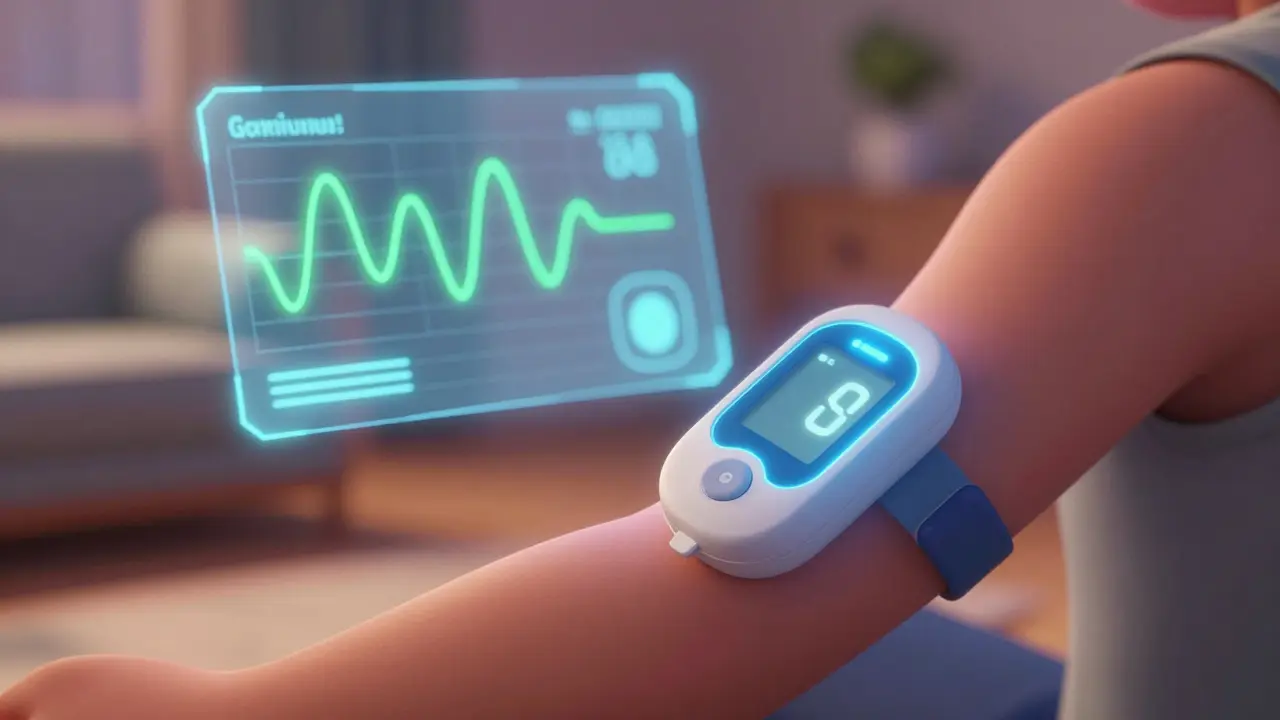
For those using insulin, consider moving toward a Continuous Glucose Monitor (CGM) if you haven't already. The ability to see trends and receive alerts for dropping sugars is the single best way to prevent the dangerous episodes discussed in this guide.