COVID-19 and Lungs: Long-Term Effects and Rehabilitation Guide
 Mar, 25 2026
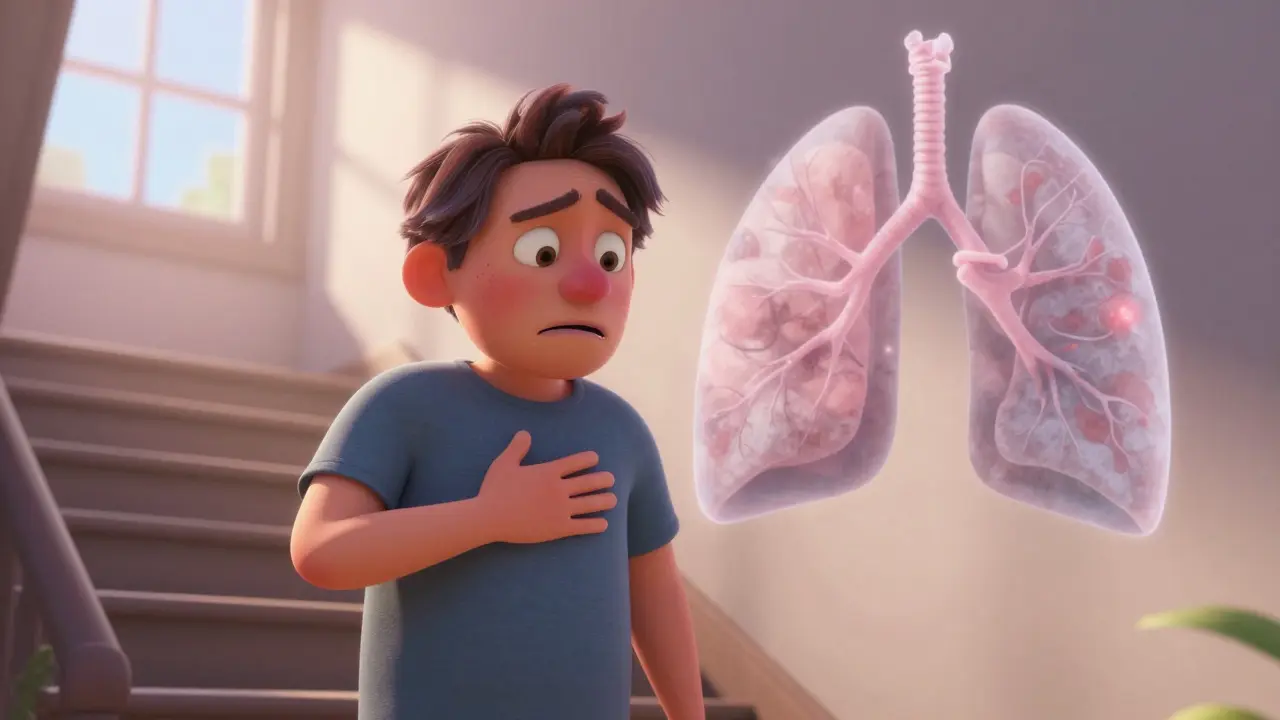
You might feel better after the fever breaks and the cough fades, but for many, the battle isn't over. Research published in 2025 reveals that persistent respiratory symptoms account for roughly one-third of all long COVID cases. It is a frustrating reality where you test negative for the virus, yet you still struggle to catch your breath climbing stairs or walking to the shops. This condition, often called pulmonary long COVID, represents a significant subset of post-acute sequelae that has puzzled doctors for years. New findings from the Centre for Heart Lung Innovation (HLI) in 2025 have finally shed light on what is happening inside the lungs when the virus is gone.
Understanding the Invisible Damage
When we talk about Pulmonary Long COVID is a condition characterized by persistent respiratory symptoms and lung function abnormalities following SARS-CoV-2 infection. it is not just about feeling tired. The damage is structural and functional. A major study conducted in South Korea between 2020 and 2022 looked at 5,720 hospitalized adults with confirmed COVID-19. They found that 87 patients, which is 12.6%, developed post-COVID-19 pulmonary fibrosis (PCPF). This means their lungs developed scar tissue that makes it hard to breathe properly. Even more concerning, an Italian cohort study of 251 participants showed that residual respiratory dysfunction persisted in 30.4% of patients just three months after hospital discharge.
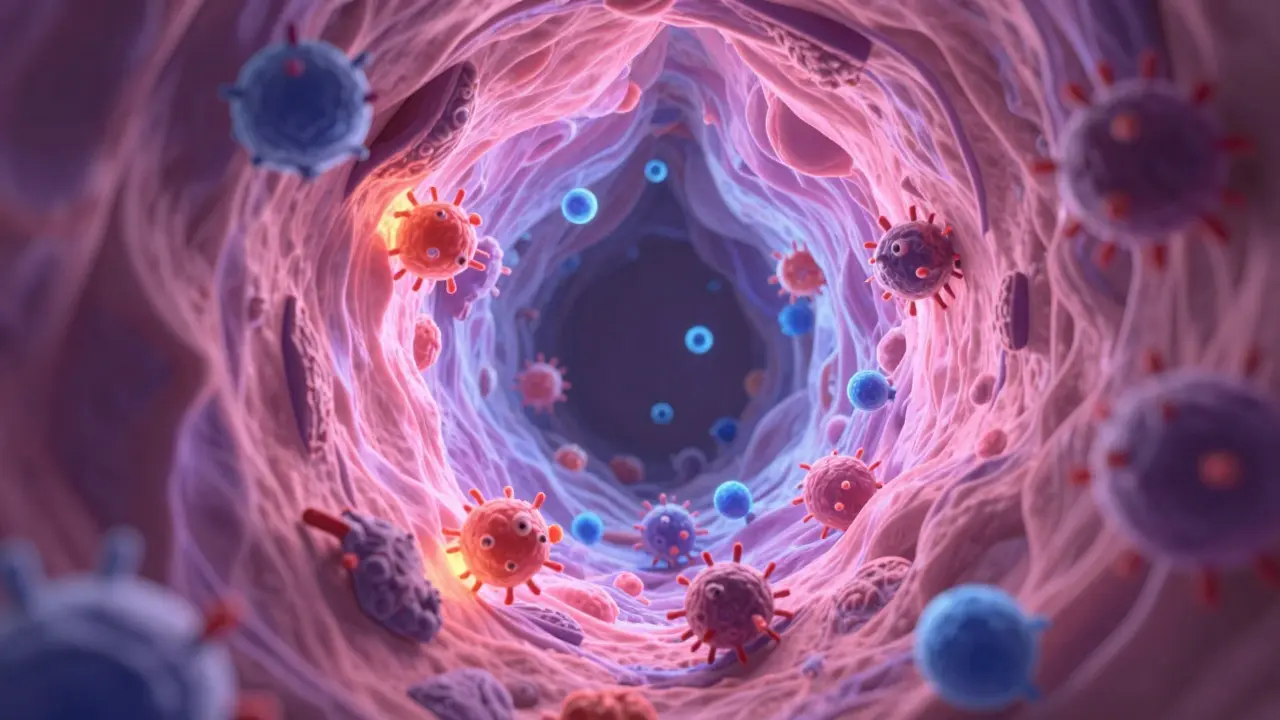
The root cause is often hidden in the smallest airways. Dr. Don Sin's team at the University of British Columbia's HLI identified that neutrophilic inflammation persists even after viral clearance. Neutrophils are immune cells that normally help fight infection, but in this case, they act like dirty bombs. They continue triggering an immune response long after the virus is gone, causing damage to the small airways. This leads to gas exchange abnormalities. You might have a clear chest X-ray, but your body still isn't getting enough oxygen because the transfer happens in areas standard scans cannot see.
Why Standard Tests Miss the Mark
If you go to a doctor for a check-up, they might order a standard CT scan or a spirometry test. These are useful, but they often miss the subtle damage caused by long COVID. Traditional imaging fails to visualize oxygen transfer in the small airways where the real trouble is brewing. This is where technology has stepped in to fill the gap. Advanced imaging techniques using hyperpolarized xenon MRI technology allow doctors to see beneath the surface. Dr. Sin explained that this specific MRI lets us see gas exchange problems invisible to conventional testing.
Technical analysis using this technology revealed four distinct clusters of pulmonary long COVID. Each cluster is characterized by different gas exchange abnormalities. Single-cell sequencing of lung samples from the HLI biobank confirmed that the inflammation was specifically neutrophilic. This distinction is vital because it changes how we treat the condition. If the inflammation is driven by neutrophils, then treatments need to target that specific pathway rather than just treating general inflammation. The inability of traditional lung function tests to detect these abnormalities explains why many patients feel dismissed when they report breathlessness despite having normal test results.
Who Is Most at Risk
Not everyone who catches the virus faces the same long-term risks. A systematic review by von LL O'Mahoney in 2025 synthesized data from 50 studies and established that SARS-CoV-2 infection, regardless of hospitalization status, is associated with markedly increased risks of long-term respiratory symptoms. However, the severity varies. Patients who were hospitalized showed a 2.60-fold higher risk of persistent breathlessness compared to those who were not. Interestingly, patients requiring mechanical ventilation during acute infection showed no greater predictor of altered diffusion capacity at follow-up compared to those receiving less intensive care, according to study #45 of the Lung Foundation Australia review.
| Factor | Risk Level | Key Statistic |
|---|---|---|
| Hospitalization | High | 2.60-fold higher risk of breathlessness |
| Pulmonary Fibrosis | Significant | 12.6% of hospitalized patients develop PCPF |
| Pre-existing COPD | Critical | 4.6% mortality rate vs 0% for non-COVID |
| Residual Dysfunction | Common | 30.4% at 3 months post-discharge |
Patients with pre-existing lung conditions face a steeper climb. Those with chronic obstructive pulmonary disease (COPD) who contracted COVID-19 demonstrated significantly higher mortality rates (4.6% versus 0%) compared to non-COVID COPD patients. They also experienced an increased annual acute exacerbation frequency of 0.17 versus 0.08. Inpatients with COPD showed higher heart failure comorbidity prevalence (20% versus 2.8%). This data suggests that if you have existing lung issues, you need closer monitoring and a modified rehabilitation protocol. The interaction between the virus and existing lung damage creates a compounding effect that requires specialized care.
The Path to Recovery Through Rehabilitation
Knowing you have damage is one thing, but fixing it is another. Pulmonary rehabilitation for long COVID patients follows structured protocols with measurable outcomes. The Lung Foundation Australia review documented that multidisciplinary rehabilitation programs produced significant improvements in objective lung function metrics. Specifically, FEV1 and diffusion capacity increased in participants who completed the full program. Rehabilitation typically begins after the acute phase, which is a minimum of 4 weeks post-infection, and continues for 8-12 weeks. Sessions usually happen 2-3 times weekly.
The program isn't just about walking on a treadmill. It incorporates breathing exercises, aerobic conditioning, and strength training tailored to individual limitations. Clinicians use tools like the mMRC dyspnea scale to track progress. A score of ≥2 at one month indicates a higher likelihood of persistent issues requiring intensive rehabilitation. For those struggling with fatigue, the RECOVER Initiative's September 2025 update highlighted a practical measurement tool: the 30-second sit-to-stand (30STS) test. People experiencing burdensome long COVID symptoms performed fewer repetitions, indicating measurable functional limitations directly related to pulmonary complications.
A pre-post rehabilitation study evaluating multidisciplinary approaches for patients with pre-existing cardiopulmonary comorbidities documented specific improvements. Beyond lung function numbers, patients saw enhanced 6-minute walk distance (6MWD) results and reduced dyspnea. This means they could walk further without getting winded. Patients with moderate to severe acute infection typically reported gradual symptom improvement over six months. However, many continued experiencing persistent respiratory limitations affecting daily activities. The key is consistency and starting the program early enough to prevent deconditioning from setting in permanently.

What the Future Holds for Treatment
Research is moving fast to find targeted solutions. Current developments focus on targeted anti-inflammatory therapies addressing the neutrophilic inflammation mechanism identified by HLI researchers. The RECOVER Initiative's September 2025 update outlined planned clinical trials testing neutrophil-targeted therapies for pulmonary long COVID. This builds directly on Dr. Sin's discovery of persistent neutrophil activity in small airways. If successful, these therapies could stop the "dirty bomb" effect of the immune cells before permanent scarring occurs.
Therapeutic comparisons from the Korean study also offer clues. Remdesivir use was associated with reduced risk of PCPF, while baricitinib showed increased risk. Researchers noted residual indication bias could not be completely excluded, but it points to potential medication pathways. The HLI research team is expanding their xenon MRI studies to track treatment responses in pulmonary long COVID patients, with preliminary data expected in Q2 2026. Industry analysts predict increased development of pulmonary rehabilitation protocols specifically tailored for long COVID patients. Long-term viability assessments remain cautiously optimistic, with evidence showing measurable improvements in lung function over six months for most patients.
However, researchers acknowledge that 12.6% of hospitalized patients develop permanent fibrotic changes requiring ongoing pulmonary management. This means for some, the goal shifts from full recovery to managing the condition effectively. The American Thoracic Society and European Respiratory Society are developing specialized diagnostic criteria and treatment guidelines anticipated for release in late 2025. This standardization will help doctors everywhere recognize and treat the condition more effectively, ensuring patients get the right care sooner rather than later.
Frequently Asked Questions
Can lung damage from COVID-19 heal completely?
For many patients, lung function shows measurable improvements over six months. However, about 12.6% of hospitalized patients develop post-COVID-19 pulmonary fibrosis, which involves permanent scarring. Rehabilitation can improve function and symptoms, but complete reversal depends on the severity of the initial damage and individual response to therapy.
Why do I feel short of breath if my X-ray is normal?
Standard X-rays often miss damage in the smallest airways. Research shows that neutrophilic inflammation can persist in these areas, causing gas exchange abnormalities. Advanced imaging like hyperpolarized xenon MRI is needed to visualize these specific issues that traditional scans cannot detect.
How long does pulmonary rehabilitation take?
Structured programs typically continue for 8-12 weeks. Sessions are usually held 2-3 times weekly. Rehabilitation should begin after the acute phase, which is a minimum of 4 weeks post-infection, to ensure safety and effectiveness.
Are people with COPD at higher risk?
Yes, significantly. Patients with COPD who contracted COVID-19 showed a 4.6% mortality rate compared to 0% for non-COVID patients. They also face higher risks of acute exacerbations and heart failure comorbidities, requiring modified rehabilitation protocols.
What new treatments are being developed?
Clinical trials are testing neutrophil-targeted therapies to stop persistent inflammation. Additionally, guidelines for diagnosis and treatment are being finalized by the American Thoracic Society and European Respiratory Society for release in late 2025.
What is the 30STS test?
The 30-second sit-to-stand test measures functional capacity. The RECOVER Initiative found that patients with burdensome long COVID symptoms performed fewer repetitions, making it a practical tool for clinicians to assess physical limitations related to pulmonary complications.
Does hospitalization increase long-term risk?
Yes. A 2025 systematic review found that hospitalized patients exhibited a 2.60-fold higher risk of persistent breathlessness compared to those who were not hospitalized, highlighting the severity of acute infection on long-term outcomes.
What is the mMRC dyspnea scale?
This scale measures breathlessness. A score of ≥2 at one month follow-up serves as an early predictor for residual respiratory dysfunction, helping clinicians identify patients who need more intensive rehabilitation support.
Can I start rehab immediately after infection?
No, rehabilitation typically begins after the acute phase, which is a minimum of 4 weeks post-infection. Starting too early can be unsafe, but waiting too long may allow deconditioning to set in.
Are there medications that reduce lung scarring risk?
Studies suggest remdesivir use was associated with reduced risk of pulmonary fibrosis. Conversely, baricitinib showed increased risk. However, researchers note that bias could not be completely excluded, so these findings require further validation.
Kevin Siewe
March 27, 2026 AT 00:33the xenon MRI technology is a significant step forward for diagnosing gas exchange issues
Chris Farley
March 28, 2026 AT 19:02most people just need to exercise more instead of wasting money on new tests
Alex Arcilla
March 29, 2026 AT 05:47oh wnderful another medical mystery to solve while we wait for the next one
Blessing Ogboso
March 30, 2026 AT 17:51It is really important to understand the full scope of what happens to our bodies after the initial infection clears. Many people think they are fine once the fever goes away but the damage is still happening inside. The research mentioned about neutrophils acting like dirty bombs is quite alarming for anyone who has been sick. We need to focus on the rehabilitation aspect because that is where the real healing begins for most patients. It is frustrating to feel dismissed by doctors when standard tests come back normal but you still struggle to breathe. The new imaging technology gives us hope that we can finally see what is wrong with our lungs. I have seen friends who had mild cases end up with serious issues months later so we cannot ignore the risks. Everyone should listen to their own bodies and push for more testing if they feel something is off. The statistics about hospitalization increasing the risk are something we need to keep in mind for future prevention. Recovery takes time and patience is a virtue that many people forget during this process. Multidisciplinary programs are the best way to ensure that lung function improves over the long term. We should advocate for better access to these rehabilitation centers in our local communities. The fact that COPD patients face higher mortality rates is a sobering reminder of how dangerous this virus remains. It is good to see that guidelines are being developed to help doctors treat this condition more effectively. We all need to be supportive of one another as we navigate these health challenges together. The future looks brighter if we continue to support research into these specific lung complications.
Natasha Rodríguez Lara
March 31, 2026 AT 00:18we should all be kind to those struggling with long term symptoms and offer help
J. Murphy
March 31, 2026 AT 07:00stats look fak and fundng sources are never clear
Jacob Hessler
April 1, 2026 AT 13:07they are hidng the truth about how bad it realy is for our lungs
Darlene Gomez
April 2, 2026 AT 23:01take care of your health and listen to your body signals every day
Brandon Shatley
April 3, 2026 AT 07:10i hope this info helps people get better soon