Cold Sores vs. Pimples: How to Tell the Difference and Treat Them Right
 May, 17 2026
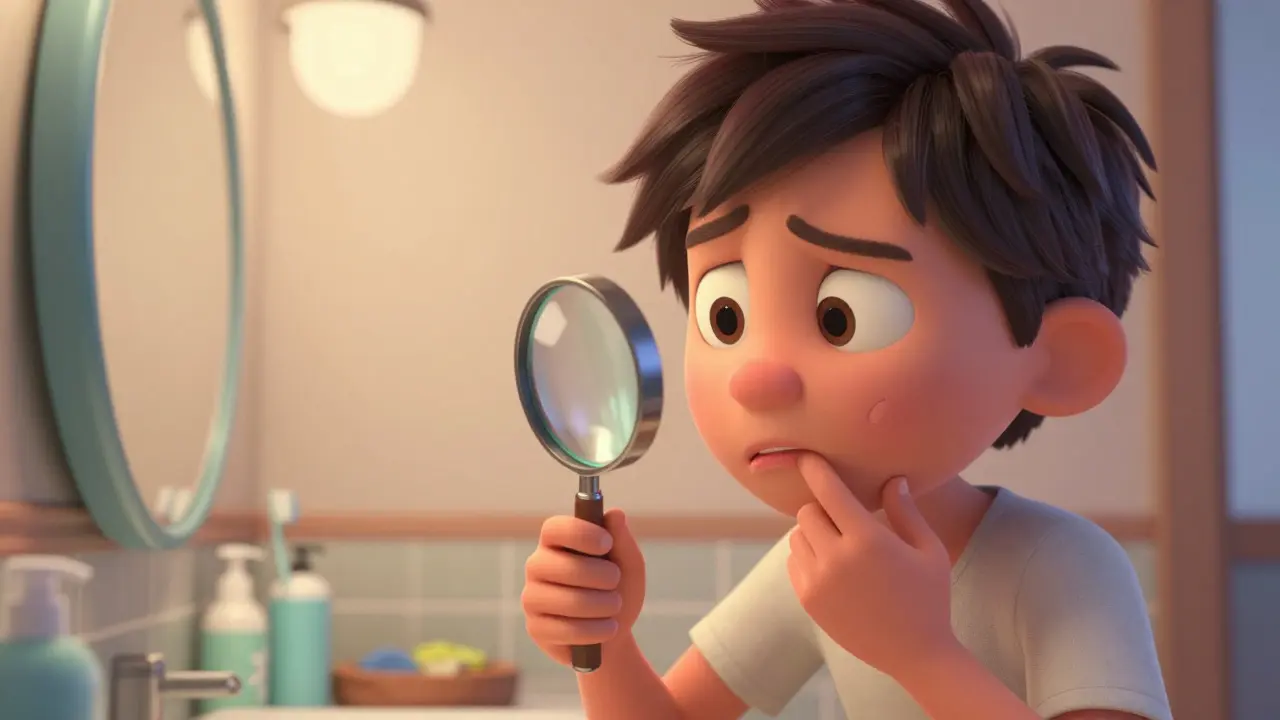
Have you ever touched a bump on your lip and panicked? Is it just a bad pimple, or is it something more serious? Getting this wrong can lead to using the wrong cream, spreading an infection, or simply waiting days for relief that never comes. Knowing the difference between cold sores (herpes labialis) and pimples isn't just about vanity-it's about treating your body correctly.
I’ve spent years looking at dermatology data, and the confusion is real. Most people treat every facial bump like a standard acne lesion until it starts stinging or clustering together. That’s when the alarm bells should ring. This guide breaks down exactly how to spot the difference, why your location matters, and what treatments actually work based on current medical consensus.
The Core Difference: Virus vs. Clogged Pore
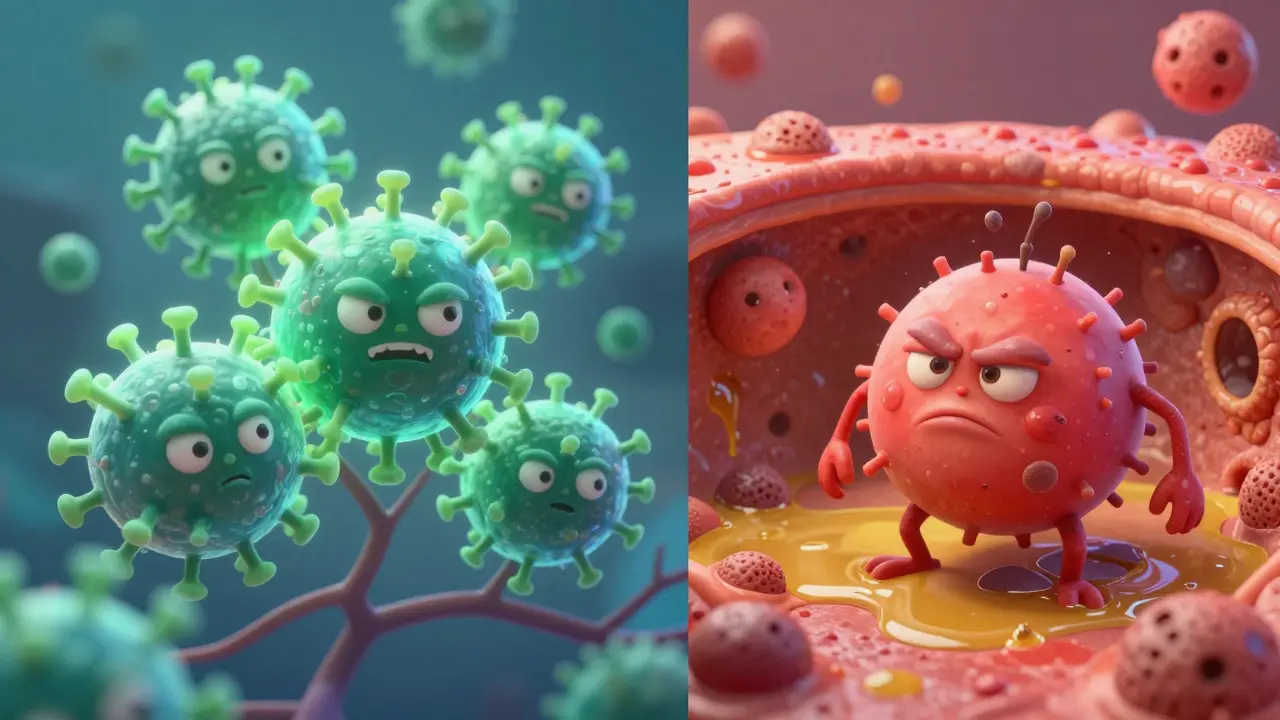
To understand why these two look similar but behave differently, you have to look at their origins. A pimple is essentially a traffic jam in your skin. It happens when oil (sebum), dead skin cells, and bacteria get trapped in a hair follicle. The specific bacterium involved is usually Cutibacterium acnes. It’s localized, non-contagious, and results from inflammation within that single pore.
A cold sore, on the other hand, is caused by the Herpes Simplex Virus type 1 (HSV-1). According to the World Health Organization, roughly 67% of the global population under age 50 carries this virus. Unlike a pimple, which is a one-off event triggered by diet, hormones, or hygiene, HSV-1 stays in your nervous system forever. It lies dormant until something triggers it-like stress, sunlight, or a weakened immune system-and then it travels back to the surface of your skin to cause an outbreak.
| Feature | Cold Sore (HSV-1) | Pimple (Acne) |
|---|---|---|
| Location | Usually on the vermilion border (edge of lips) | Anywhere on face, including inside the lip |
| Appearance | Cluster of fluid-filled blisters | Single red bump, often with a white/yellow head |
| Sensation | Tingling, burning, itching before appearance | Tenderness or pain only when touched |
| Contagious? | Yes, highly contagious via direct contact | No, not contagious |
| Healing Time | 7-14 days without treatment | 3-7 days for minor lesions; weeks for cysts |
How to Identify Which One You Have
You don’t need a microscope to tell them apart if you know what to look for. Start with the location. Cold sores love the vermilion border, which is that distinct line where your pink lip meets the rest of your facial skin. They rarely appear deep inside the mouth or on the cheek unless there has been significant direct contact with an active sore. Pimples, however, can pop up anywhere there are hair follicles, including the actual surface of the lip itself.
Next, look at the structure. A cold sore typically presents as a cluster. You might see two, three, or five tiny blisters grouped tightly together. They start clear and fluid-filled, eventually becoming cloudy and bursting to form a yellowish crust. A pimple is almost always a solitary entity. It’s a single raised bump that may have a visible whitehead (pus) in the center. If you see a group of bumps appearing simultaneously around your mouth, lean toward cold sore.
The most reliable clue, however, is sensation. Before a cold sore becomes visible, you often feel the prodrome phase. This is a tingling, burning, or itching sensation that occurs 12 to 48 hours before the blister appears. It’s your nerve ending reacting to the virus traveling to the skin surface. Pimples don’t warn you. You usually discover them by accident in the mirror or by feeling tenderness when you press on them. There is no pre-warning tingle for a clogged pore.
Why Misidentification Hurts Your Skin
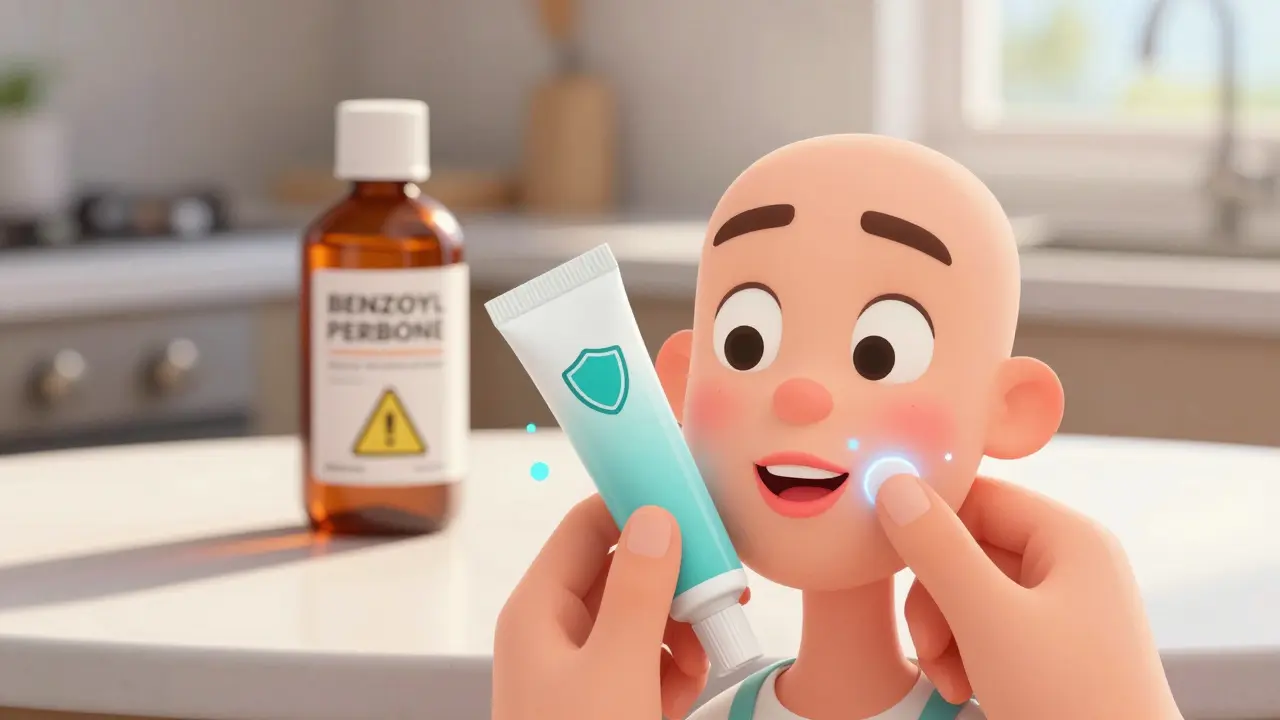
Using the wrong treatment doesn’t just fail to help; it can actively make things worse. Many people reach for their trusty benzoyl peroxide or salicylic acid spot treatment when they see a bump on their lip. These ingredients are great for drying out acne, but they are harsh irritants.
If you apply strong acne treatments to a cold sore, you risk rupturing the delicate blisters prematurely. When those blisters break open, they release viral fluid. This increases the risk of spreading the HSV-1 virus to other parts of your face, your eyes (which can be dangerous), or other people. Furthermore, the chemical irritation from acne creams can prolong the healing time of a cold sore, turning a week-long issue into a two-week ordeal.
Conversely, treating a pimple with antiviral creams won’t kill the bacteria causing the acne, nor will it unclog the pore. You’ll just waste money and time while the pimple continues to fester. The key is accurate diagnosis early in the process.
Treating Cold Sores: Speed is Key
Because cold sores are viral, antibiotics and acne treatments do nothing for them. You need antiviral agents. The goal here is to shorten the duration and reduce the severity of the outbreak.
Over-the-Counter Options: Look for creams containing docosanol (often sold as Abreva). Clinical trials show that applying this four to five times a day can reduce symptom duration by about half. It works by preventing the virus from entering healthy skin cells.
Prescription Strength: For faster results, dermatologists often prescribe topical antivirals like penciclovir (Denavir) or oral medications like acyclovir (Zovirax) and valacyclovir (Valtrex). Oral antivirals are most effective when taken during the prodrome phase-the moment you feel that first tingle. Starting them immediately can cut healing time from 10-14 days down to 5-7 days.
Recent advancements also include new experimental antivirals like pritelivir, which showed promising results in reducing viral shedding in 2023 trials. While not yet widely available, they represent the future of HSV-1 management.
Treating Pimples: Consistency Over Quick Fixes
Pimples require a different approach focused on exfoliation and bacterial reduction. Since they are caused by clogged pores, you need to keep those pores clear.
Benzoyl Peroxide: This is a powerhouse for inflammatory acne. A concentration of 2.5% to 10% helps kill C. acnes bacteria and reduces swelling. Studies show it can reduce inflammatory lesions by 40-60% over four weeks of consistent use. Be careful, though-it can bleach fabrics and dry out skin, so moisturize well.
Salicylic Acid: This beta-hydroxy acid penetrates deep into the pore to dissolve the glue holding dead skin cells and oil together. Concentrations between 0.5% and 2% are effective for clearing comedones (blackheads and whiteheads) over 6-8 weeks.
For immediate relief on a stubborn pimple, hydrocolloid patches can help absorb pus and protect the area from bacteria and picking. Never pop a pimple on your lip or near your nose-the "danger triangle" of the face has blood vessels that connect directly to the brain, making infections here potentially risky.
Prevention Strategies for Both Conditions
While you can’t cure HSV-1, you can manage triggers. Research from UCSF indicates that 85% of cold sore outbreaks are linked to identifiable triggers. Sun exposure accounts for 32% of cases, so wear lip balm with SPF 30 or higher daily. Stress contributes to 28%, so managing cortisol levels through sleep and relaxation can keep the virus dormant. Hormonal changes and immune suppression are also major factors.
For pimples, prevention is about routine. Use non-comedogenic skincare products that won’t clog pores. Wash your face twice daily to remove excess oil and dirt. Avoid touching your face throughout the day, as hands transfer bacteria and oil. If you wear makeup, ensure it’s removed thoroughly before bed. Consistency is more important than intensity; gentle, regular care beats harsh, sporadic scrubbing.
When to See a Doctor
Most cold sores and pimples resolve on their own or with OTC treatments. However, seek professional medical advice if:
- Your cold sore lasts longer than two weeks.
- You experience frequent outbreaks (more than six times a year).
- The sore spreads to your eyes or other parts of your body.
- You have a weakened immune system due to illness or medication.
- Your acne is severe, painful, or leaving scars despite home treatment.
A dermatologist can provide prescription-strength treatments, laser therapy for cold sore prevention, or advanced acne therapies like isotretinoin for severe cases. Don’t hesitate to get a professional opinion if you’re unsure about the nature of your skin condition.
Can a cold sore turn into a pimple?
No, a cold sore cannot turn into a pimple because they have completely different causes. A cold sore is a viral infection (HSV-1), while a pimple is a clogged hair follicle. However, they can appear close to each other, causing confusion. If a cold sore heals, it leaves normal skin behind, not acne.
Is it safe to put toothpaste on a cold sore?
No, it is not recommended. Toothpaste contains abrasives and chemicals like sodium lauryl sulfate that can irritate the sensitive skin of a cold sore, potentially worsening the blister and prolonging healing. Stick to approved antiviral creams or docosanol instead.
How long does a cold sore last compared to a pimple?
A cold sore typically lasts 7 to 14 days without treatment, progressing through stages of tingling, blistering, ulceration, and scabbing. A minor pimple usually resolves in 3 to 7 days, while deeper cystic acne can persist for several weeks. Early antiviral treatment can significantly shorten cold sore duration.
Can I kiss someone if I have a cold sore?
Absolutely not. Cold sores are highly contagious, especially when blisters are present. HSV-1 spreads through direct contact with the virus in the fluid from the blisters. Avoid kissing, sharing utensils, lip balm, or towels until the sore is completely healed and the skin has returned to normal.
What triggers cold sore outbreaks?
Common triggers include ultraviolet (UV) light exposure, stress, hormonal changes (such as menstruation), fatigue, illness, and a weakened immune system. Identifying your personal triggers can help you take preventive measures, like taking antiviral medication at the first sign of tingling.
Does popping a cold sore make it go away faster?
No, popping a cold sore is harmful. It releases viral fluid, increasing the risk of spreading the infection to other parts of your body or to others. It also damages the skin, leading to potential scarring and extending the healing time by several days. Let the blisters dry and crust naturally.
Can sunscreen prevent cold sores?
Sunscreen can help prevent cold sore outbreaks triggered by UV exposure. Studies show that sun exposure is a major trigger for many people. Using a lip balm with SPF 30 or higher protects the delicate skin around your lips and may reduce the frequency of herpes simplex virus reactivation.
Are cold sores permanent?
The virus itself is permanent. Once you contract HSV-1, it remains dormant in your nerve ganglia for life. However, the symptoms (the sores) are temporary and manageable. With proper treatment and trigger avoidance, many people experience fewer and less severe outbreaks over time.
amit kumar
May 19, 2026 AT 05:10Great breakdown here! 👍 The part about the 'danger triangle' is super important and often overlooked. I always thought popping a pimple was just gross, but knowing it could lead to serious infection makes me way more careful. Thanks for sharing this info! 😊
Yuvraj Singh
May 19, 2026 AT 13:09The distinction between the prodrome phase of HSV-1 and the sudden appearance of acne lesions is clinically significant yet frequently misunderstood by patients. It is crucial to emphasize that topical antivirals are most effective when initiated during this tingling stage, rather than waiting for vesicle formation. Furthermore, the advice regarding benzoyl peroxide concentrations is spot on; higher percentages do not necessarily yield better results and can cause unnecessary irritation.
Dana Ellington
May 21, 2026 AT 12:51omg thank you for this!! i literally just put toothpaste on my lip yesterday because i read some random blog post saying it dries out cold sores fast. reading this makes me want to cry lol. does the damage done by the toothpaste mean i have to wait longer for it to heal?? please say no :( i feel so stupid now. thanks again for the real info!
Emma Olliff
May 23, 2026 AT 00:24It is truly pathetic how many people still rely on home remedies like toothpaste or lemon juice instead of actual medical science. If you cannot distinguish between a viral outbreak and a bacterial clog, perhaps you should consult a professional rather than treating your face as an experimental lab. Ignorance is not bliss when it comes to contagious diseases. Do better.
victoria catharinaa
May 23, 2026 AT 22:26I hate when people spread misinformation about skincare. You need to listen to experts not random internet comments. This article is clear and you should follow it exactly. Stop guessing and start treating properly.
Justina Ingram
May 24, 2026 AT 12:07lol u r such a hater emma :P everyone knows toothpaste works sometimes. chill out. the article is good tho. :)
Glen Speck
May 24, 2026 AT 13:53the philosophy of skin care is often neglected in favor of quick fixes. we must understand the body as a system. stress triggers the virus because the immune system is compromised. it is not just about cream it is about lifestyle. sleep well eat well stay calm. the skin reflects the inner state. this is why prevention is key not just treatment.
Diana Wiechecka
May 25, 2026 AT 05:41Interesting point about stress! 🧘♀️ I’ve noticed my outbreaks always happen right before exams or big deadlines. Does anyone else experience this? I’m trying to meditate more to keep the cortisol down. Hope it helps! ✨
Kathryn Byrd
May 25, 2026 AT 20:24In my experience living in humid climates, the line between fungal acne and regular breakouts can also be confusing, though that is a different issue entirely. However, the advice here regarding cold sores is consistent with what dermatologists in my region recommend. Sun protection is indeed vital. Many people neglect SPF on their lips until it is too late. The vermilion border is particularly susceptible to UV damage which can trigger reactivation of the virus.
Lori Wildrick
May 26, 2026 AT 21:21I really appreciate how inclusive this guide is. It covers all bases without being overwhelming. I have struggled with both issues over the years and finding the right balance in my routine took forever. Using non-comedogenic products changed everything for my acne, and finally accepting that cold sores are viral helped me stop fighting them with harsh chemicals. We all deserve gentle care.
Desirea Gaona
May 28, 2026 AT 04:29One must consider the socioeconomic factors at play here. Access to prescription antivirals like valacyclovir is not universal. For those who cannot afford these medications, over-the-counter docosanol remains a viable, albeit less potent, alternative. It is imperative that public health initiatives educate the populace on the importance of early intervention, as delayed treatment exacerbates the duration of symptoms and increases the risk of transmission. Furthermore, the stigma associated with herpes simplex virus often prevents individuals from seeking necessary medical advice, which is a societal failure that requires addressing through comprehensive education campaigns.
mardy duffy
May 28, 2026 AT 21:16too long did not read. just use abreva.
Sam Mackellar
May 30, 2026 AT 17:47It is quite fascinating how the biological mechanisms of these two conditions are so distinct yet visually similar to the untrained eye. The article correctly identifies the role of Cutibacterium acnes in acne pathogenesis, which is a detail often omitted in popular media. I would suggest that readers pay close attention to the healing timelines provided, as they serve as excellent diagnostic indicators. A lesion that persists beyond two weeks warrants professional evaluation, regardless of its initial presentation.