Cannabis and Medications: What You Need to Know About Drug Interactions
 Dec, 1 2025
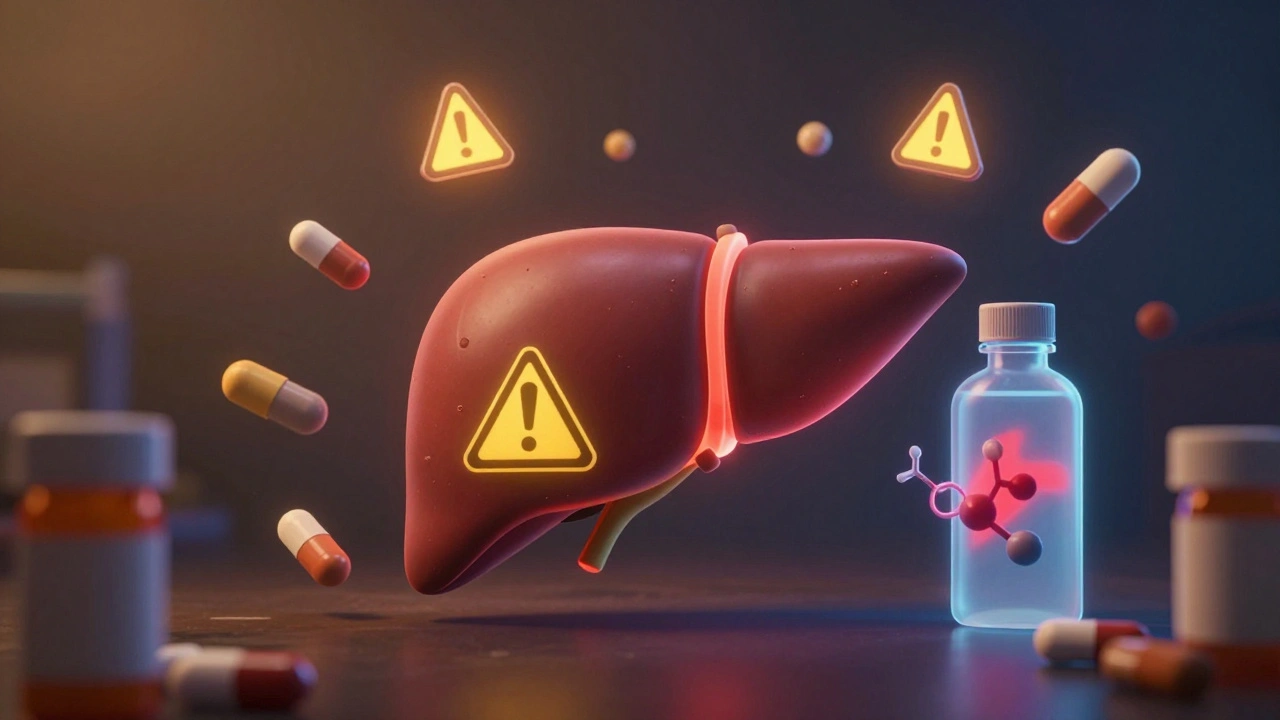
More people are using cannabis-whether it’s CBD oil for sleep, THC for pain, or full-spectrum products for anxiety-but few realize how deeply it can interfere with their other medications. If you’re taking blood thinners, epilepsy drugs, antidepressants, or even common statins, mixing them with cannabis isn’t just a guesswork game. It can lead to dangerous side effects, hospital visits, or treatment failure. The science is clear: cannabis doesn’t just sit quietly in your system. It actively changes how your body handles other drugs.
How Cannabis Changes How Your Body Processes Medications
Cannabis, especially CBD and THC, doesn’t just affect your brain-it messes with your liver. The liver uses enzymes called cytochrome P450 (CYP450) to break down about 60% of all prescription drugs. CBD is a powerful inhibitor of CYP3A4 and CYP2C19. THC blocks CYP1A2, CYP2C9, and CYP3A4. When these enzymes are slowed down, medications build up in your bloodstream instead of being cleared. That’s not a minor tweak. It’s like turning off your car’s exhaust system while driving on the highway.
For example, if you take warfarin (a blood thinner), adding CBD can cause your INR (a measure of blood clotting time) to jump by nearly 50% within 72 hours. That means your blood takes much longer to clot. In real cases, patients have ended up in the ER with internal bleeding after starting CBD oil-even if they were only taking 10 mg a day. One 2022 review of 17 clinical cases found that nearly all involved unexplained bruising or gastrointestinal bleeding.
It’s not just warfarin. Tacrolimus, used by transplant patients to prevent organ rejection, can spike in concentration by 300-500% when combined with cannabis. That’s not a small risk. It can cause kidney failure or death. In one documented case, a liver transplant patient on tacrolimus developed severe toxicity after starting a daily CBD tincture. His dose had to be slashed by 60% just to stabilize.
High-Risk Medications You Should Avoid Mixing with Cannabis
Some drugs are simply too dangerous to combine with cannabis. These aren’t theoretical concerns-they’re documented emergencies.
- Warfarin: Even low doses of CBD can push INR into dangerous territory. The American Society of Health-System Pharmacists recommends checking INR every 3-5 days if you’re using cannabis, not weekly.
- Tacrolimus and cyclosporine: These immunosuppressants have narrow therapeutic windows. A small rise in concentration can mean organ rejection or kidney damage.
- Clobazam: Used for epilepsy, this drug’s levels can increase by up to 500% with CBD. Patients report extreme drowsiness, loss of coordination, and even inability to walk. One Reddit user wrote: “I couldn’t walk straight. My neurologist cut my clobazam dose by 40%.”
- Protease inhibitors (for HIV): THC can reduce their effectiveness by 30-40%. That’s not just risky-it’s life-threatening. Treatment failure can lead to drug-resistant HIV.
These aren’t rare cases. A 2023 review found that 78% of studies on epilepsy drugs showed significant interactions with CBD. The FDA has received over 1,300 reports of cannabis-related drug interactions since 2018. Underreporting is likely massive.
Moderate-Risk Interactions: Watch for These
Not every interaction is a medical emergency-but they still demand attention.
- Benzodiazepines (like alprazolam, diazepam): Cannabis adds to their sedative effects. A 2023 study showed a 47% increase in fall risk among elderly patients using both. Users report “zombie mode”-too sleepy to drive, too foggy to work.
- Opioids (like oxycodone, morphine): Cannabis can slow how fast your body clears these drugs. That means more sedation, more risk of breathing problems. Some patients report no issues, but others have needed emergency care for respiratory depression.
- Calcium channel blockers (like amlodipine): CBD can raise levels by 30-40%, leading to dizziness, low blood pressure, and fainting. One study found 15-25% of patients on this combo needed dose adjustments.
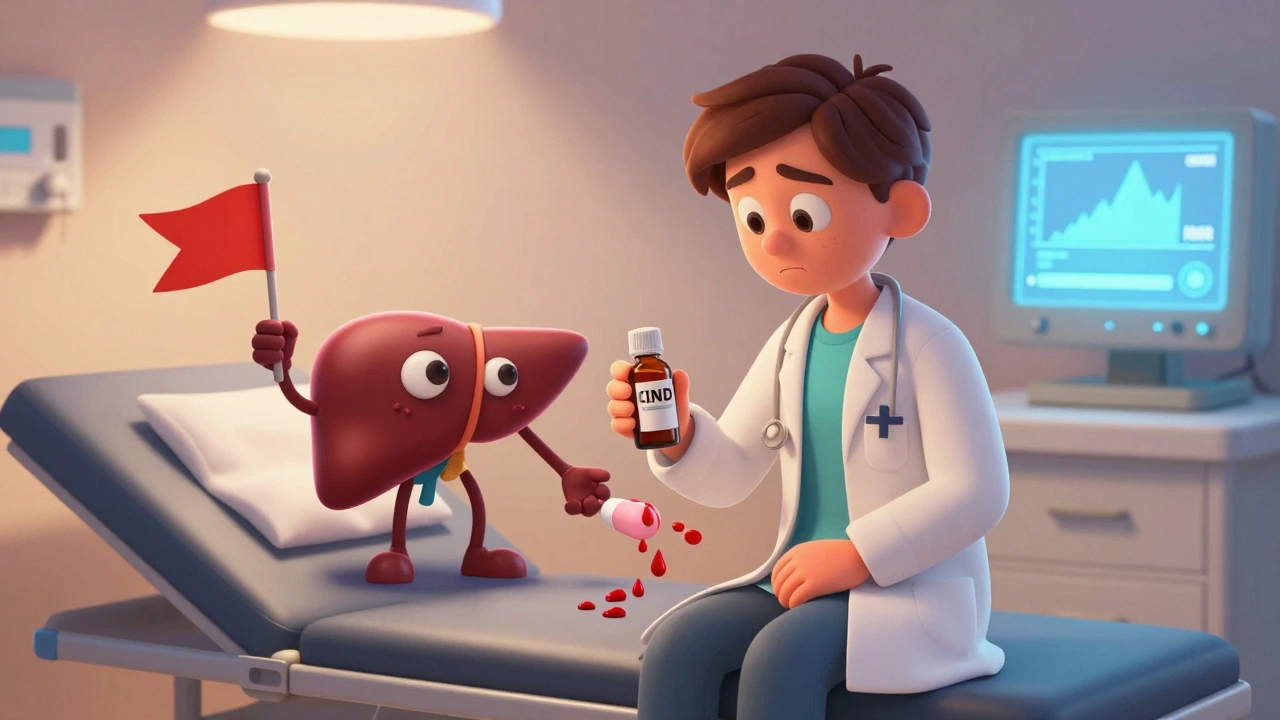
Here’s the catch: these effects aren’t always obvious. You might not feel anything until it’s too late. A patient might think, “I’ve been taking CBD for months with no problem,” but a small change in dose, product type, or even metabolism can trigger a reaction.
Low-Risk but Still Worth Knowing
Some medications show minimal interaction risk-but that doesn’t mean zero.
- SSRIs (like sertraline, fluoxetine): CBD may raise levels by 10-15%. Most users report no noticeable changes. One survey of 872 people found 41% saw no difference at all.
- Statins (like atorvastatin): Levels can increase by 20-25%. No cases of rhabdomyolysis (muscle breakdown) have been linked to this combo yet, but long-term data is missing.
- Metformin: No strong evidence of interaction, but with 28% of cannabis users having diabetes, this is a major knowledge gap. Only 12 studies have looked at cannabis and diabetes meds-out of thousands of possible combinations.
Don’t assume safety just because the risk is low. If you’re on a medication for a chronic condition, any change in how your body processes it matters.
Route of Use Matters-Smoking vs. Oil vs. Edibles
How you take cannabis changes everything.
Smoking or vaping delivers THC to your bloodstream in under 10 minutes. That means sudden, sharp spikes in concentration. If you smoke before taking a sedative, the effects hit fast and hard. It’s like pouring gasoline on a fire.
Oral CBD (oils, gummies, capsules) takes 2-4 hours to peak and lasts 6-8 hours. That creates a long window for interaction. Warfarin users who take CBD in the morning may not see rising INR until afternoon or evening-making it easy to miss.
And here’s a surprise: cannabis tea doesn’t seem to affect certain chemo drugs like docetaxel. But that doesn’t mean all teas are safe. Concentration varies wildly depending on how it’s made.
Full-spectrum products (with trace THC) are 22-37% more likely to cause enzyme inhibition than pure CBD isolates. That’s the “entourage effect”-but in this case, it’s a risk, not a benefit.
What You Should Do If You Use Cannabis and Medications
Don’t stop your meds. Don’t quit cannabis cold. But do take action.
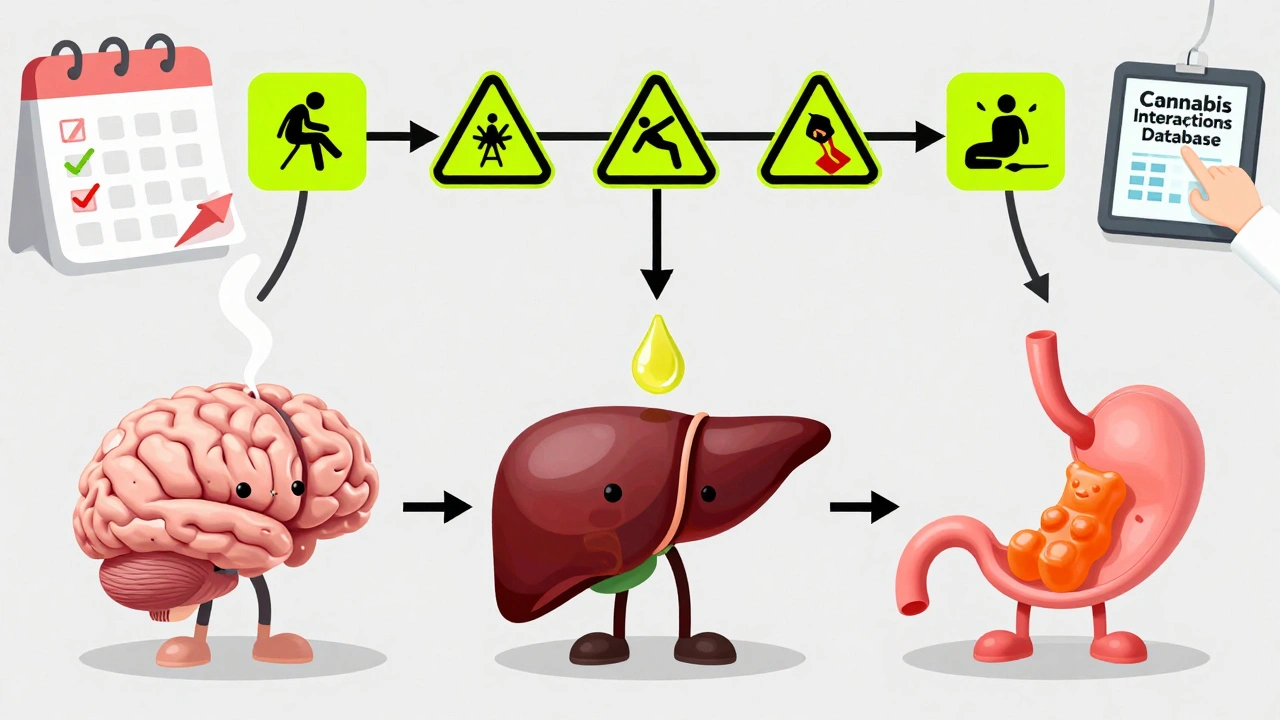
- Be honest with your doctor and pharmacist. Say exactly what you’re using: “I take 25 mg of CBD oil every night.” Don’t say “I use weed” or “I take CBD for anxiety.” Give specifics: product type, dose, frequency.
- Check your meds. Use tools like the University of Washington’s Cannabis Drug Interactions database. It’s updated quarterly and free to use.
- Get baseline lab tests. If you’re on warfarin, tacrolimus, or clobazam, get your levels checked before starting cannabis.
- Monitor closely after starting. Check INR 48-72 hours after your first CBD dose. Watch for dizziness, excessive sleepiness, bruising, or confusion.
- Adjust doses slowly. If your doctor recommends reducing your medication, start with 10-25%. Don’t cut it in half.
Pharmacists in Pennsylvania are now trained to warn patients: “Even weekend cannabis use can triple your bleeding risk with warfarin.” That’s not fearmongering-it’s data.
What’s Missing? The Big Gaps in Research
We know a lot-but we’re still flying blind in many areas.
There’s almost no data on how cannabis interacts with newer drugs like GLP-1 agonists (Ozempic, Wegovy), SGLT2 inhibitors (Jardiance), or newer anticoagulants like apixaban. These are used by millions. Cannabis users are taking them too. But we don’t know if they’re safe together.
Also, long-term effects? Unknown. What happens if you take CBD with warfarin for a year? Does the liver adapt? Do interactions get worse? No studies have tracked that.
And then there’s the product problem. A 2023 lab test found that 70% of CBD products sold online didn’t match their label. One said “10 mg CBD” but had 42 mg. Another had hidden THC. You can’t control what you’re taking if the label is wrong.
Bottom Line: Don’t Guess. Test. Talk. Track.
Cannabis isn’t a harmless supplement. It’s a potent drug with real, measurable effects on how your body handles other medications. The risks aren’t theoretical-they’re in hospital records, ER visits, and patient stories.
If you’re using cannabis with any prescription drug, especially blood thinners, epilepsy meds, or transplant drugs, you need to act. Talk to your doctor. Get tested. Track your symptoms. Don’t wait for a crisis to realize you should’ve asked.
The science is catching up. The FDA’s Cannabis Clinical Trials Network is launching new studies in 2025. By 2027, we may have clear guidelines for 85% of high-risk combinations. But until then, your safety depends on you-not on a label, a Reddit post, or a well-meaning friend.
Be informed. Be cautious. And don’t assume it’s safe just because it’s natural.
alaa ismail
December 3, 2025 AT 01:34Been using CBD for my back pain for two years, never touched my blood pressure med. Guess I got lucky. But now I’m second-guessing every night I take it. Scary stuff.
Anthony Breakspear
December 3, 2025 AT 04:27Man, this post hit different. I used to think cannabis was just chill herbs, but now I’m looking at my meds like they’re ticking bombs. My grandma’s on warfarin and takes gummies for arthritis - I’m sending her this right now. Don’t let ‘natural’ fool you. It’s chemistry, not magic.
Victoria Graci
December 4, 2025 AT 05:46It’s fascinating how we treat cannabis like tea while treating pharmaceuticals like sacred texts - yet both are pharmacologically active substances that dance inside our liver. The real tragedy isn’t the interaction, it’s the silence around it. Doctors don’t ask. Patients don’t volunteer. And the industry? They sell you a bottle labeled ‘pure CBD’ while hiding a THC bomb inside. We’ve built a culture of ignorance wrapped in wellness marketing. The science isn’t late - we just stopped listening.
Carolyn Woodard
December 5, 2025 AT 12:25The CYP450 enzyme system’s inhibition profile of CBD is well-documented in pharmacokinetic literature, particularly in relation to CYP3A4 and CYP2C19 isoforms. The clinical implications for narrow-therapeutic-index drugs like tacrolimus and warfarin are non-trivial, with AUC increases exceeding 200% in controlled studies. The lack of standardized dosing and product adulteration further complicates risk stratification. Until regulatory frameworks enforce third-party lab validation and pharmacovigilance integration, patient safety remains probabilistic at best.
Saravanan Sathyanandha
December 5, 2025 AT 23:15In India, many elders use cannabis oil for arthritis, unaware of how it might clash with their heart or diabetes pills. I once saw a man collapse after mixing CBD with his blood thinner - the doctor blamed him for ‘not reading the label.’ But who teaches us? The pharmacy? The temple priest? The internet? We need community health workers to explain this, not just fear-mongering posts. Knowledge should be a right, not a Google search away.
Allan maniero
December 7, 2025 AT 03:32Let’s not forget the elephant in the room - most people don’t even know what’s in their CBD oil. I bought a bottle labeled ‘10mg CBD’ from a gas station. Lab test later showed 48mg CBD, 3.2% THC, and a dash of heavy metals. We’re treating this like it’s organic kale when it’s more like a Russian roulette pill. And the worst part? The people who need this the most - chronic pain sufferers, PTSD veterans, epilepsy parents - are the ones least likely to have access to proper medical guidance. We’re leaving them to navigate a minefield with no map.
Girish Padia
December 8, 2025 AT 08:08People think weed is harmless because it’s plant-based. Lol. You smoke it, you’re a dumbass. Your liver doesn’t care if it’s from a tree or a lab. If you’re on meds, don’t touch it. Simple. No excuses. Stop pretending nature = safe. Poison ivy is natural too.
Doug Hawk
December 9, 2025 AT 17:19my doc never asked about my cbd and i never thought to tell him. now im reading this and realizing i might’ve been lucky. i take statins and cbd every night. no symptoms but now im scared to sleep. maybe i should get my lfts checked?
Zoe Bray
December 11, 2025 AT 07:33Given the documented pharmacokinetic interactions between phytocannabinoids and cytochrome P450-mediated metabolic pathways, it is imperative that clinicians initiate structured patient education protocols prior to cannabinoid use in polypharmacy populations. The absence of standardized labeling, combined with insufficient provider training in cannabinoid pharmacology, constitutes a systemic failure in risk mitigation. Institutional policy reform and mandatory pharmacist counseling are not optional - they are ethically obligatory.
Anthony Breakspear
December 12, 2025 AT 01:47That’s exactly why I started carrying a little card in my wallet - lists my meds, my CBD dose, and a QR code to the UW database. My mom thought I was overdoing it. Then her neighbor had a bleed. Now she carries one too. Small thing. Big difference.